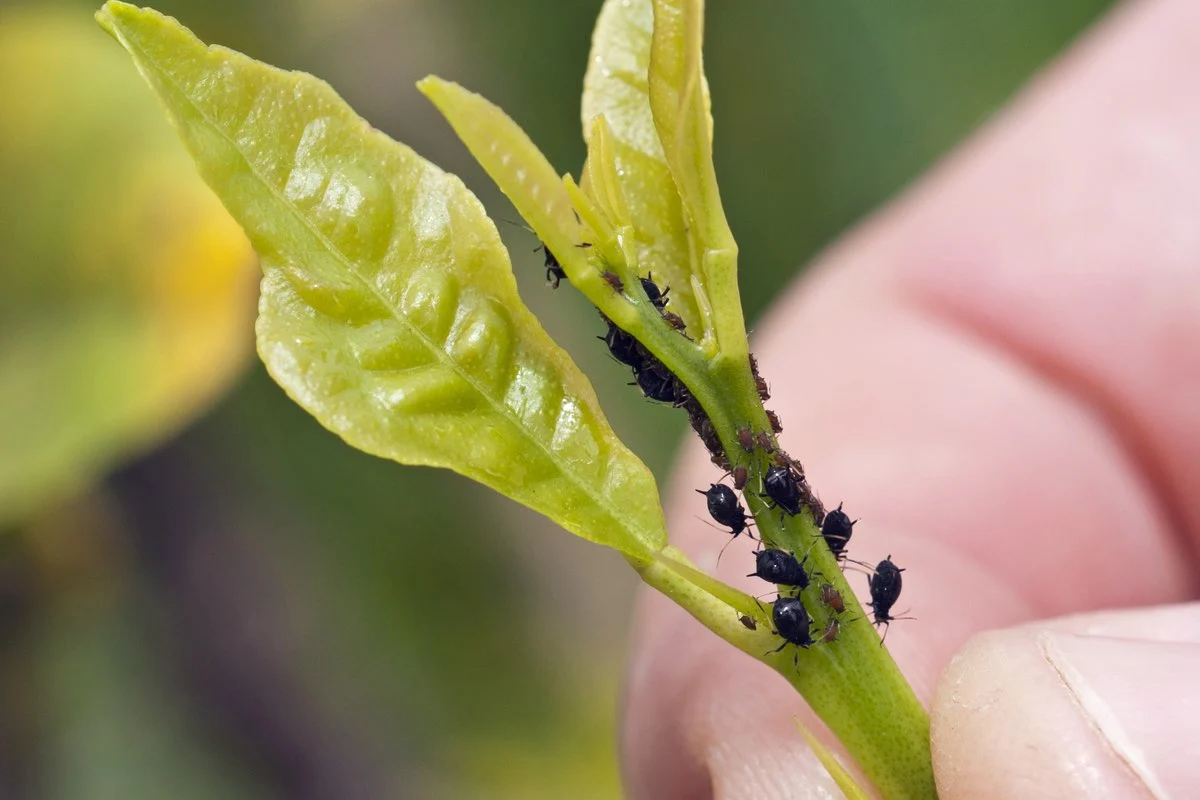
Noticed tiny little black bugs in plant soil? Don’t panic. Learn exactly how to identify these pests and banish them from your houseplants for good.
Tiny Little Black Bugs in Plant Soil: The Ultimate Guide to Banish Them for Good
Look, I get it, plant care can be frustrating but nothing makes your skin crawl quite like watering your favorite pothos or monstera and seeing a cloud of tiny little black bugs in plant soil scatter across the dirt. You instantly start overthinking everything. Are they biting bugs? Are they destroying the roots? Is my entire bedroom about to be infested?
First off, take a deep breath. You are not a bad plant parent, and your home is not dirty. Dealing with dirt-dwelling pests is practically a rite of passage for anyone trying to curate a beautiful indoor jungle. Here at LeafCare.xyz, we view these moments not as failures, but as minor speed bumps on your journey to growing a thriving green space at home.
In this ultimate guide, we are going to dive deep into exactly what those annoying critters are, why they chose your potting mix, and—most importantly—the step-by-step proccess to eliminate them without harming your plants.
Meet the Suspects: What Are These Tiny Black Bugs?
When you notice tiny little black bugs in plant soil, your dealing with one of a few common culprits. Knowing exactly who has crashed your plant party is the secret to choosing the right strategy to kick them out.
Fungus Gnats (The Most Common Culprit)
If these tiny black bugs look like microscopic mosquitoes and fly up into your face the moment you disturb the pot, you are dealing with fungus gnats. The adults are mostly just an annoying nuisance, flying around your computer screen or your morning coffee. However, their larvae live beneath the surface of the soil, eating decaying organic matter and, occasionally, the tender root hairs of your plants.
Springtails
If the bugs are huddled near the drainage holes or hopping like fleas when water hits the soil, they are likely springtails. These tiny, wingless insects are actually mostly harmless. They feed on mold and decaying material, acting like a tiny clean-up crew. But let’s be real—nobody wants hundreds of crawling bugs inside their living room.
Soil Mites
If you see tiny, shiny black or brown dots slowly crawling across the surface of the dirt and they never fly, they might be soil mites. Like springtails, they break down organic matter and rarely hurt your plant, but a massive population explosion can indicate that your soil environment is way too wet.
Bug Profile & Threat Level Summary
To help you figure out what you are looking at, here is a quick breakdown of how these different soil pests behave and how much you actually need to worry about them.
| Pest Name | Can They Fly? | Distinguishing Behavior | Threat to Plant | Primary Cause |
| Fungus Gnats | Yes (weak, erratic flyers) | Fly up when watering; crawl on soil surface | Low to Medium (Larvae chew roots) | Persistent overwatering, soggy soil |
| Springtails | No | Jump noticeably when disturbed or watered | Very Low (Mainly eat organic debris) | High moisture, mold growth in pot |
| Soil Mites | No | Slow, steady crawling; look like moving dust | None (Strictly decomposers) | Rich organic matter, constant dampness |
Why Did These Pests Move Into Your Soil?
Here is the real talk: bugs do not just appear out of nowhere because they hate you. They move in because you have accidentally built them a five-star luxury resort.
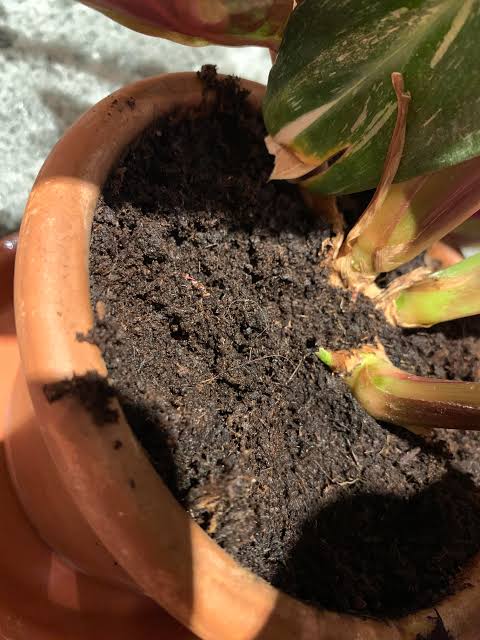
The number one reason you see tiny little black bugs in plant soil is excessive moisture. When potting soil stays wet for too long without drying out, it begins to grow microscopic fungi, algae, and mold. This decaying organic matter is the ultimate gourmet buffet for fungus gnat larvae, springtails, and mites.
If you are watering your plants on a strict calendar schedule instead of checking how dry the dirt actually is, your setting up the perfect breeding ground. Poor drainage—like using pots without holes or letting your plants sit in a puddle inside their decorative ceramic saucers—compounds the issue by trapping stagnant water at the roots.
Step-by-Step Guide to Banish Soil Pests for Good
Getting rid of soil pests requires treating both the flying adults and the hidden larvae living beneath the surface. If you only target one, the survivors will simply breed a new generation within a week. Follow this definitive treatment routine to completely clear out your potting mix.
Step 1: Let the Soil Dry Out Completely
Before you buy any sprays or traps, stop watering. This is the single most powerful weapon in your arsenal. Fungus gnat larvae and springtails completely rely on moisture to survive. By letting the top two to three inches of soil dry out bone-dry, you effectively starve the larvae and crush their breeding cycle. Don’t worry, your plant can handle a temporary dry spell much better than the bugs can.
Step 2: Deploy Yellow Sticky Traps for the Adults
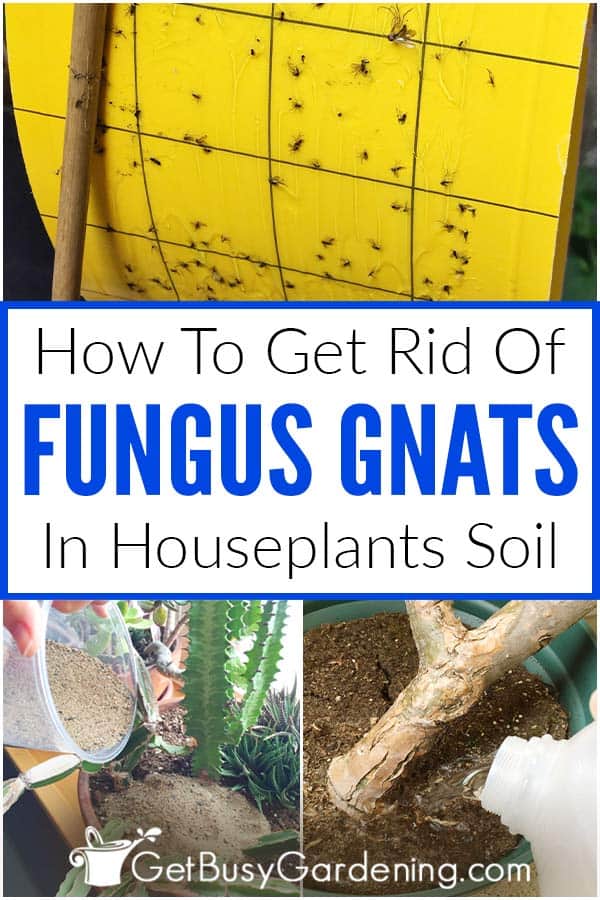
While the soil dries, you need to catch the flying adults before they can lay more eggs. Place yellow sticky traps directly at the base of the plant, just above the soil line. Fungus gnats are naturally drawn to the bright yellow color and will fly straight into the adhesive. It’s a highly visual, incredibly satisfying way to thin out the adult population overnight.
Step 3: Flush the Dirt with a Hydrogen Peroxide Rinse
To target the larvae hiding in the root zone, wait until the plant is ready for its next watering, then mix one part 3% hydrogen peroxide with four parts water. Thoroughly saturate the soil with this solution until it runs out the bottom drainage holes.
You will hear a fizzing sound—that is completely normal! The peroxide kills the pest larvae and dissolves the fungus they eat on contact, while simultaneously releasing oxygen that benefits your plant’s roots.
Step 4: Top-Dress the Soil with Diatomaceous Earth or Sand
Once the top layer of soil has dried out again after your treatment, apply a half-inch layer of food-grade diatomaceous earth or clean horticultural sand over the surface. Diatomaceous earth looks like white powder, but under a microscope, it consists of sharp, fossilized algae shells. When tiny bugs try to crawl through it, it cuts their outer shells and dehydrates them instantly, creating an impassable barrier for any emerging adults.
How to Prevent the Bugs from Ever Returning
Now that your potting mix is clean, you want to keep it that way. Long-term pest prevention comes down to tweaking your everyday plant care habits.
Master the Finger Test Before Watering
Never water a plant just because it’s Tuesday. Stick your finger two inches deep into the soil. If it feels cool or damp, walk away and check again in a few days. If your prone to overwatering, consider switching your plants to terra cotta pots, which naturally breathe and pull excess moisture away from the soil.
Improve Air Circulation around Your Jungle
Stagnant air allows pockets of high humidity to sit directly over your pots, creating an ideal habitat for pests. Run a small decorative fan in your plant room to keep the air moving. This keeps the soil surface drying efficiently and makes it much harder for weak-flying pests like fungus gnats to land and lay eggs.
Upgrade to High-Quality, Well-Draining Soil
Cheap, heavy potting soils hold onto water like a giant sponge. When repotting your green roommates, mix in plenty of perlite, pumice, or orchid bark. These chunky amendments create tiny air pockets in the dirt, allowing water to flush through quickly and keeping the roots aerated and less attractive to soil-dwelling bugs.
Clean and Sanitize Your Plant Setup
Periodically wipe down your plant shelves, windowsills, and the outsides of your decorative pots. Debris like dropped, rotting leaves or spilled fertilizer can become alternative food sources for opportunistic insects. Keeping a clean space ensures LeafCare.xyz readers maintain the ultimate pristine environment for their collection.
Consistency Wins the Battle
Dealing with an active pest breakout can feel incredibly overwhelming, but consistency is your superpower here. Because insect life cycles move quickly, sticking to your drying phases, peroxide flushes, and sticky traps for two to three weeks ensures that you intercept every single wave of newly hatched eggs. Your plants are resilient, and with a little bit of focused attention, they will be back to growing beautifully.
For more expert, judgment-free indoor gardening advice, interactive care strategies, and troubleshooting guides, make LeafCare.xyz your ultimate bookmark. We are dedicated to helping you decipher what your plants are trying to tell you, one leaf at a time.
Have you noticed tiny little black bugs in plant soil recently? Which of these steps are you going to try first to reclaim your pots? Let us know your thoughts or drop your specific plant questions in the comments below! If you want to stay ahead of future pest problems, don’t forget to bookmark this page and subscribe to our weekly newsletter for fresh, actionable indoor plant tips delivered right to your inbox.
