Discovered tiny webs on your houseplants? Learn exactly how to get rid of spider mites on indoor plants using safe, effective methods.
How to Get Rid of Spider Mites on Indoor Plants: The Ultimate Judgment-Free Guide
Look, I get it, plant care can be frustrating but nothing tests your patience quite like looking closely at your favorite Calathea or Monstera and realizing it has been hijacked by tiny, microscopic invaders. If you have just spotted fine webbing on your houseplants, your heart might have dropped. Take a deep breath. You are not a bad plant parent, and your indoor jungle is not doomed.
Spider mites are a rite of passage for almost everyone in the plant community. Here at LeafCare.xyz, we believe that every pest problem is just a temporary hiccup on your journey to growing a thriving green space at home.
In this comprehensive, expert-led guide, we are going to break down exactly how to get rid of spider mites on indoor plants without losing your mind or killing your leafy roommates in the proccess.
What Are Spider Mites and Why Do They Hate Your Joy?
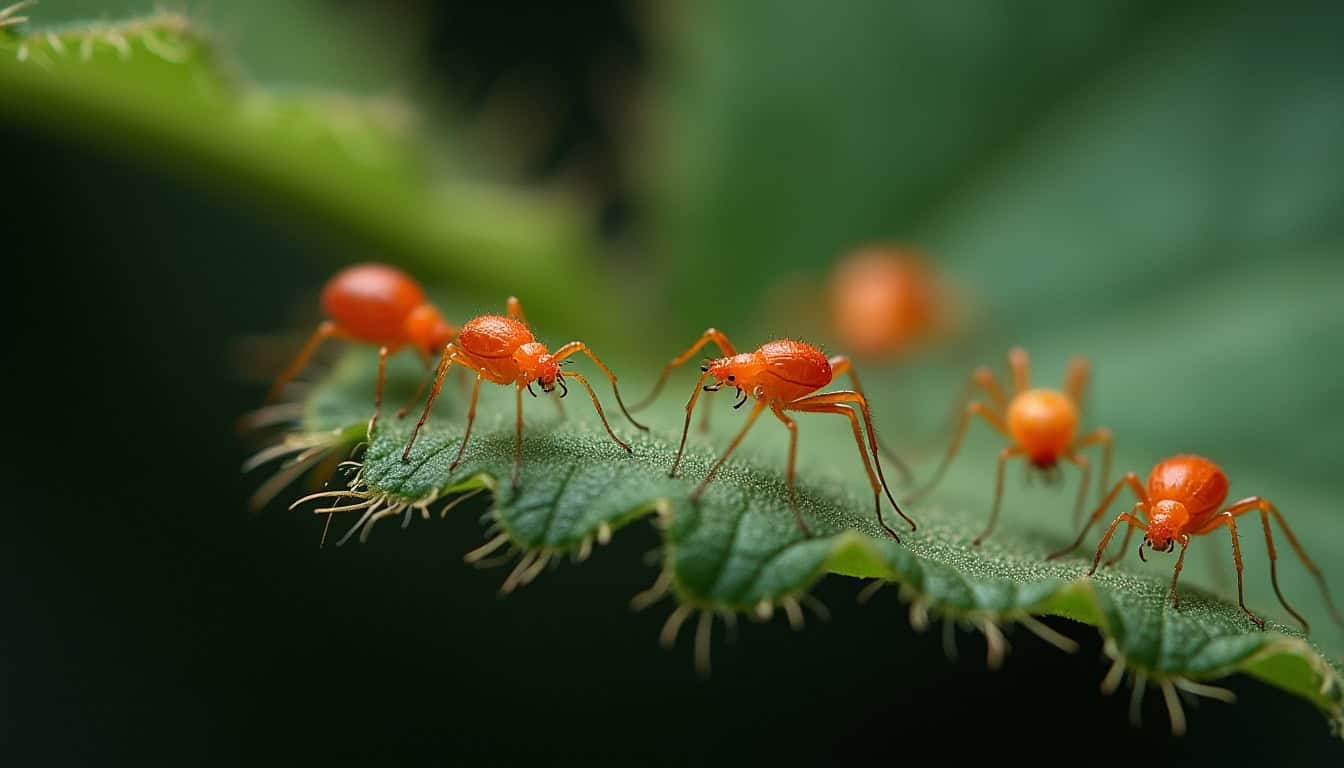
Before we fight the enemy, we need to know who they are. Spider mites are not actually true insects; they are tiny arachnids, meaning they are closely related to spiders and ticks. They are incredibly small—usually less than 1 millimeter in size—which means you will often see the damage they cause before you actually spot the mites themselves.
These tiny pests survive by piercing the plant’s cell walls and sucking out the essential juices. Think of them as tiny, unwanted vampires draining the life out of your beautiful greenery.
Why Did My Plant Get Spider Mites?
Spider mites thrive in environments that are warm and dry.
- Low Humidity: Indoor heating in the winter or air conditioning in the summer can dry out indoor air, creating a spider mite paradise.
- Under-watering: A stressed, dehydrated plant is vulnerable and lacks the natural defenses to ward off invaders.
- Lack of Airflow: Stagnant indoor air allows mite populations to explode rapidly without interruption.
Signs Your Houseplant Has a Spider Mite Infestation
Because they are so microscopic, you need to look out for the telltale signs of their presence. If your plant is looking a little sad, look closer for these symptoms:
1. Fine, Silky Webbing
This is the most obvious giveaway. Spider mites spin delicate webs around the stems, undersides of leaves, and the joints where leaves meet the stem. This webbing protects them and their eggs from predators and moisture loss.
2. Speckled or Mottled Leaves
As mites feed on your plant, they leave behind tiny yellow or white dots, known as stippling. If your lush green leaves suddenly look like they have a dusty, faded, or speckled appearance, your dealing with a mite issue.
3. Yellowing and Leaf Drop
If left unchecked, the heavy loss of plant sap will cause entire leaves to turn yellow, shrivel up, and drop off. If your plant is losing leaves rapidly, it is time to intervene immediately.
Spider Mite Treatment Methods Compared
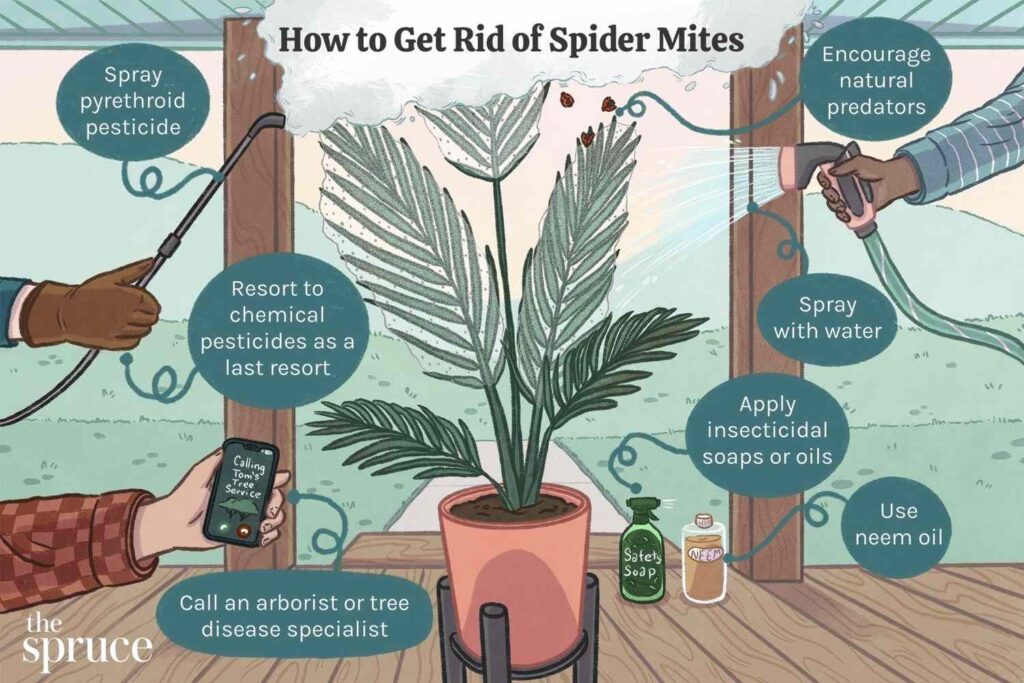
To help you choose the best battle plan for your home, here is a quick overview of the most effective ways to tackle these pests.
| Treatment Method | Best For | Pros | Cons |
| Water Shower | Initial knockdown & mild cases | Free, organic, instant results | Won’t kill remaining eggs |
| Neem Oil Spray | Ongoing prevention & light infestations | Organic, systemic protection, safe for pets | Distinct smell, takes time to work |
| Insecticidal Soap | Direct contact killing | Dissolves pest outer shells quickly | Must hit the pests directly |
| Isopropyl Alcohol | Spot treatment for small areas | Dries out mites instantly | Can burn leaves if used in direct sun |
Step-by-Step Guide: How to Get Rid of Spider Mites on Indoor Plants
Here is the real talk: eliminating spider mites requires consistency. Because their lifecycle is incredibly fast—moving from egg to breeding adult in as little as seven days—you cannot just treat the plant once and call it a day. You have to commit to a routine for a few weeks to break the breeding cycle completely.
Follow this definitive, step-by-step treatment plan to reclaim your plants.
Step 1: Isolate the Infected Plant immediately
The very first thing you need to do is move the infected plant away from the rest of your green collection. Spider mites can easily crawl or float on air currents to neighboring pots. Quarantine the patient in a separate room or a bathroom until you are 100% sure the infestation is gone.
Step 2: Give the Plant a Deep Shower
Take your plant to the bathroom sink, bathtub, or outside to a garden hose. Using lukewarm water, thoroughly spray down the entire plant. Focus heavily on the undersides of the leaves and around the stems where the mites love to hide. This physical blast of water will knock down the majority of the adult population and wash away their protective webbing.
Step 3: Wipe Down the Foliage
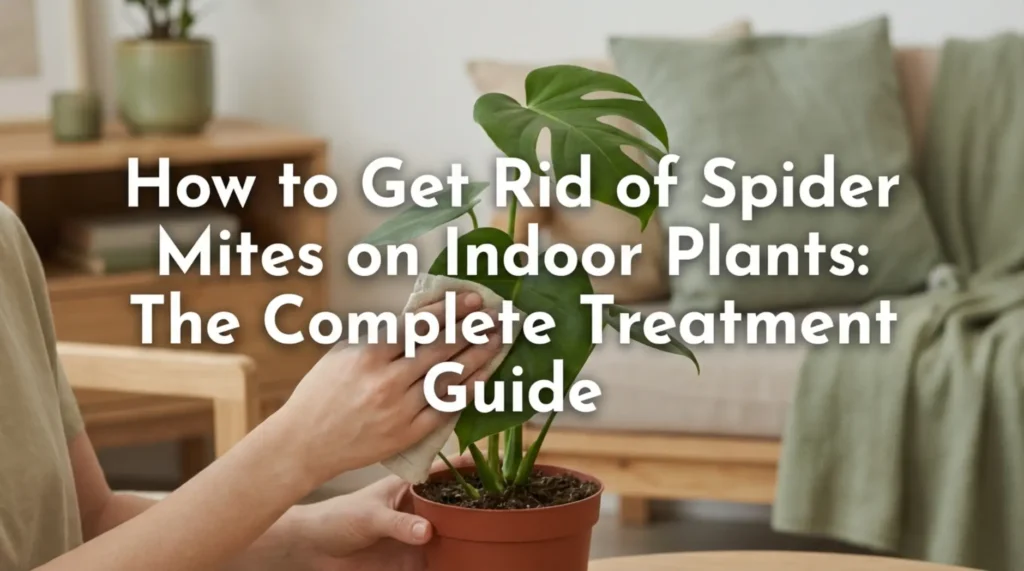
After the shower, wipe down the leaves using a soft microfiber cloth or a paper towel. For an extra kick, you can dampen the cloth with a mixture of water and a few drops of mild dish soap or rub alcohol. This ensures you manually remove any stubborn mites or egg clusters sticking to the leaf surfaces.
Step 4: Apply an Organic Insecticidal Spray or Neem Oil
Now it is time for chemical warfare (the safe, organic kind). Mix a high-quality, organic neem oil with water and a few drops of dish soap according to the package instructions, or use a ready-to-use insecticidal soap.
Spray the entire plant until it is dripping. Make sure you coat the undersides of every single leaf, as well as the top layer of the soil.
Expert Tip: Never place a plant back into direct sunlight immediately after spraying it with oils or soaps, as this can cause the leaves to scorch and burn. Keep it in a shaded spot while it dries.
Step 5: Repeat Every 5 to 7 Days
This is where many plant parents fail. They do it once, see no mites, and assume they won. But a few days later, hidden eggs hatch, and the nightmare starts all over again. Repeat the washing and spraying process every 5-7 days for at least three consecutive weeks to ensure you have wiped out every generation.
How to Prevent Spider Mites from Coming Back
Once your plant is clean, you want to keep it that way. Prevention is always much easier than cure when it comes to indoor gardening.
Boost Your Indoor Humidity
Since spider mites absolutely despise moisture, increasing the humidity around your plants is your best shield. You can invest in a dedicated room humidifier, group your plants closer together to create a microclimate, or place your pots on pebble trays filled with water.
Keep Up with Regular Watering
A healthy, well-hydrated plant can fight off pests much better than a stressed, parched one. Don’t let your moisture-loving plants stay dry for too long. If you struggle to remember when to water, check out our guide on establishing a foolproof household cleaning and plant routine right here on LeafCare.xyz.
Inspect New Additions Carefully
Whenever you bring a new plant home from a nursery or a big-box store, do not immediately place it next to your existing collection. Keep it isolated for a week or two and check it closely for any signs of movement or webbing. A little bit of patience early on can save your entire indoor jungle from a massive breakout later.
Dust the Leaves Periodically
Dust accumulation on leaves blocks sunlight, reducing your plant’s ability to photosynthesize effectively, and it also gives spider mites a perfect textured surface to hide under. Wipe down your leaves with a damp cloth every couple of weeks to keep them shining, healthy, and pest-free. Adding a gentle fertilisar to your routine during the growing season will also build stronger plant cell walls that pests struggle to pierce.
You’ve Got This, Plant Parents!
Dealing with pests can feel discouraging, but remember that even the most experienced senior horticulturists deal with spider mites from time to time. It doesn’t mean your a failure; it just means you are dealing with nature indoors. By staying consistent with your showers, sprays, and humidity checks, your plants will be back to their beautiful, thriving selves in no time.
For more judgment-free plant care strategies, troubleshooting tips, and step-by-step guides, make sure to explore the rest of LeafCare.xyz. We are here to help you navigate every yellow leaf, dry stem, and pesky bug with complete confidence.
Have you ever dealt with a stubborn spider mite infestation on your favorite plant? What method worked best for you? Let us know in the comments below! Don’t forget to bookmark this page for the next time you spot a suspicious web, and subscribe to our weekly newsletter to get the freshest indoor gardening tips delivered straight to your inbox.
