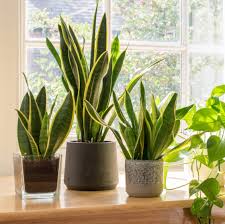
Discover the best snake plant care tips for beginners. Learn how to keep your Sansevieria thriving with zero stress and no green thumb required!
Snake Plant Care Tips for Beginners: The Ultimate Foolproof Guide to a Thriving Plant
You want to bring some green into your space, but you’re terrified you’ll kill it. Maybe you’ve already suffered a few botanical casualties, and your confidence is feeling a bit bruised.
Look, I get it, plant care can be frustrating but there is one absolute legend in the indoor plant world that is practically designed for you. Enter the Snake Plant. Known botanically as Sansevieria (or Dracaena trifasciata if you want to get technical), this plant is the ultimate roommate. It looks sleek, it cleans your air, and it thrives on a level of neglect that would kill almost any other living thing.
Whether you just brought your first one home or your trying to figure out why your current one looks a little sad, this guide is for you. Here is the real talk: you do not need a green thumb to master this. As a senior indoor gardening expert at LeafCare.xyz, I’m here to break down the most essential snake plant care tips for beginners so you can build your indoor jungle with absolute confidence.
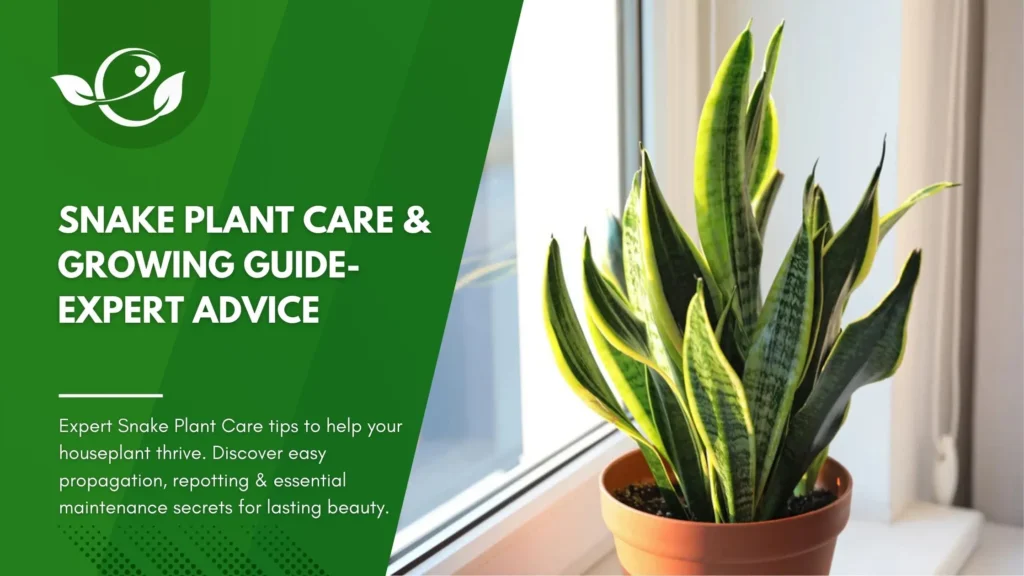
Snake Plant Care: The Quick Reference Dashboard
If you are currently standing in the nursery aisle or just need a fast sanity check, here is a quick snapshot of what your snake plant actually wants from life.
| Care Element | What It Needs | What It Hates |
| Light | Indirect bright light to low light | Direct, scorching afternoon sun |
| Watering | Only when soil is 100% bone dry | Wet, soggy soil or sitting in a full saucer |
| Soil Type | Chunky, hyper-draining cactus mix | Heavy, moisture-retaining garden soil |
| Temperature | 65°F to 85°F (18°C to 29°C) | Freezing drafts or temperatures below 50°F |
| Feeding | Low-dose fertilisar twice a year | Constant heavy feeding |
| Toxicity | Toxic to cats and dogs | Being chewed on by curious pets |
Why the Snake Plant is the Ultimate Beginner Companion
Before we get into the mechanics, let’s talk about why this plant belongs in your apartment. Snake plants are native to the arid tropical regions of West Africa. Because they evolved to survive dry spells and harsh conditions, they have adapted a unique survival strategy called CAM photosynthesis.
Basically, they keep their pores closed during the scorching day to save water and open them up at night to breathe. This means they are incredibly efficient water savers and excellent air purifiers for your bedroom while you sleep. They aren’t needy, they don’t demand constant attention, and they look stunning with their architectural, sword-like leaves.
The Two Golden Rules of Snake Plant Care
If you only remember two things from this entire article, let it be these two fundamental truths.
1. Light is Flexible, But Dark Corners Have Limits
One of the most popular snake plant care tips for beginners is that these plants can handle low light. And it’s true! They will happily sit on a bookshelf in a dim room or a home office with small windows without immediately dying.
However, there is a difference between surviving and thriving. In low light, your snake plant will grow very slowly, and its vibrant variegation (those cool yellow and green patterns) might fade to a solid dark green. If you want explosive growth and thick, sturdy leaves, give it medium to bright indirect light. Just avoid placing it right against a south-facing window where the intense midday sun can literally bleach and burn the foliage.
2. When in Doubt, Do Not Water
If a snake plant dies, 99% of the time it’s because of overwatering. Because their thick leaves store water like a succulent, they can go weeks—sometimes even a month or more in the winter—without a single drop of water.
When you water too often, the roots sit in damp soil, suffocate, and begin to rot. Once root rot takes hold, it’s a tough proccess to reverse. So, the best beginner tip is simple: if you can’t remember the last time you watered it, wait another three days.
Step-by-Step Guide to Potting and Watering for Absolute Success
Setting your plant up for success is all about the foundational mechanics. Follow this step-by-step routine to make sure your snake plant stays healthy from day one.
Step 1: Choose a Porous Pot with Great Drainage
Do not plant your snake plant in a container without a drainage hole at the bottom. Terra cotta pots are excellent for beginners because the clay is porous and literally breathes, helping excess moisture evaporate out of the sides of the soil. Make sure the pot is only an inch or two wider than the plant’s root system; they actually prefer being a little snug.
Step 2: Assemble a Gritty Soil Blend
Never use standard, heavy potting soil straight out of the bag for a snake plant. It holds onto water for way too long. Instead, create a fast-draining mix. You can buy a pre-made cactus and succulent soil, or make your own by mixing 60% regular potting soil with 40% coarse sand or perlite.
Step 3: Use the “Soak and Dry” Watering Technique
When it is finally time to water, don’t just give it a tiny sip from a water bottle. Take the plant to the sink and pour water evenly across the soil until it streams out of the bottom drainage holes. This ensures all the roots get a drink. Let the pot drain completely for 15 minutes before putting it back on its saucer. Never leave standing water in the saucer.
Step 4: Step Back and Leave It Alone
Now comes the hardest step for new plant parents: doing nothing. Place your plant in its designated spot and let it do its thing. Check the soil every two weeks by pushing a wooden chopstick deep into the pot. If it comes out with dark soil clinging to it, the mix is still wet. If it comes out completely clean and dry, it’s time to repeat Step 3.
Maintenance and Trouble-Shooting for Beginners
Once your plant is settled in, maintenance is incredibly low-key.
Fertilizing Without Overdoing It
Snake plants are incredibly light feeders. They don’t need a heavy chemical diet. You only need to feed them once in the spring and once in the summer using a balanced, organic houseplant fertilisar diluted to half-strength. Skip the food entirely during autumn and winter when the plant goes semi-dormant.
Keeping the Foliage Dust-Free
Because snake plant leaves stand straight up like swords, they tend to collect dust over time. A layer of dust blocks light and makes it harder for the plant to breathe. Take a damp cloth once a month and gently wipe down each leaf. It keeps them looking vibrant, shiny, and structurally sound.
How to Fix Wrinkled or Bending Leaves
If you notice the leaves are starting to look wrinkled, puckered, or slightly leathery, check the soil. If it’s bone dry all the way through, your plant is simply thirsty and drawing from its internal water reserves. Give it a deep soak. On the flip side, if the leaves are mushy, yellowing, or falling over at the base, the plant is drowning. Cut back on watering immediately and let the soil dry out completely.
Start Your Indoor Jungle Today
Mastering snake plant care tips for beginners is the ultimate confidence booster. Once you see how resilient this plant is and how easy it is to keep alive, the fear of being a “bad plant parent” completely evaporates.
Whenever you need a quick care reminder, a soil recipe, or help decoding a strange spot on a leaf, LeafCare.xyz is your go-to resource for indoor plant parents looking to grow a thriving green space at home. We believe that anyone can grow a beautiful, thriving indoor garden with the right advice.
If you found these beginner strategies helpful, be sure to bookmark LeafCare.xyz so you always have our expert guides right at your fingertips. For a weekly dose of practical, judgment-free plant inspiration, care hacks, and troubleshooting deep-dives, subscribe to our newsletter today. Got a question about your snake plant or trying to figure out if your lighting is right? Drop a comment below—let’s chat and get your plant thriving!
