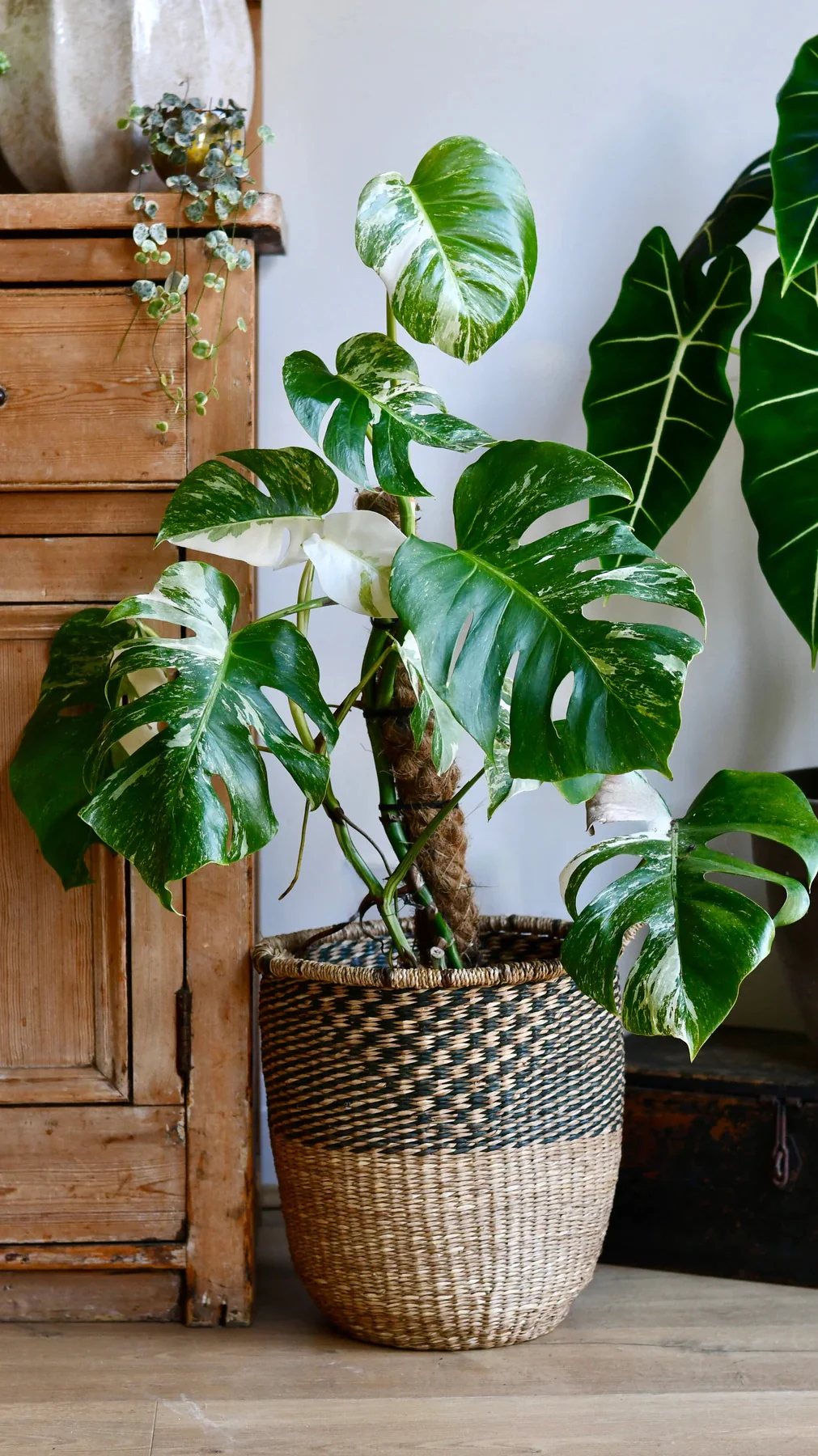
Master how to care for indoor monstera plant with our foolproof guide. Say goodbye to yellow leaves and hello to massive fenestrations!
How to Care for Indoor Monstera Plant: The Ultimate Guide for Thriving Monsteras
So, you went to the local nursery, fell in love with a gorgeous, glossy Monstera deliciosa, and brought it home. Or maybe you ordered a Swiss Cheese plant online because your Instagram feed is basically 90% aesthetic plant aesthetics. Either way, you are now the proud parent of a certified botanical icon.
But then reality sets in. You notice a yellow leaf. You wonder if your living room is too dark. You start googling frantically at 2:00 AM.
Look, I get it, plant care can be frustrating but you don’t need a degree in botany to keep this beauty alive. Here is the real talk: Monsteras are actually incredibly resilient. They want to grow; they just need you to recreate a little bit of that tropical rainforest magic in your apartment.
As a senior indoor gardening expert here at LeafCare.xyz, I have grown, propagated, and occasionally rescued more Monsteras than I can count. Today, we are diving deep into exactly how to care for indoor monstera plant so you can stop stressing and start enjoying those massive, split leaves.
Monstera Deliciosa: Quick Care Cheat Sheet
Before we dive into the nitty-gritty details, let’s look at the basic blueprints. If you only have thirty seconds, bookmark this table for later.
| Care Factor | Ideal Requirement | Signs of Trouble |
| Light | Bright, indirect sunlight (6-8 hours) | Leggy growth, no splits (too dark); Scorched patches (too bright) |
| Watering | Water when top 2-3 inches of soil are dry | Yellow leaves (overwatered); Crispy brown edges (underwatered) |
| Soil Mix | Chunky, well-draining (Aroid mix) | Soggy, dense soil leading to root rot |
| Temperature | 65°F to 85°F (18°C to 29°C) | Dropping leaves, stunted growth if below 60°F |
| Humidity | 50% to 70% (Prefers higher humidity) | Crisp tips on new leaves, slow growth |
| Feeding | Balanced liquid fertilisar monthly in spring/summer | Fertilizer burn (crusty soil, burnt roots) |
Understanding the Monstera Vibe: Light and Location
If you want to master how to care for indoor monstera plant, you have to understand where they come from. In the wild, Monsteras are native to the rainforests of Central America. They start on the dark forest floor and literally climb up giant trees toward the light.
The Golden Rule of Monstera Light
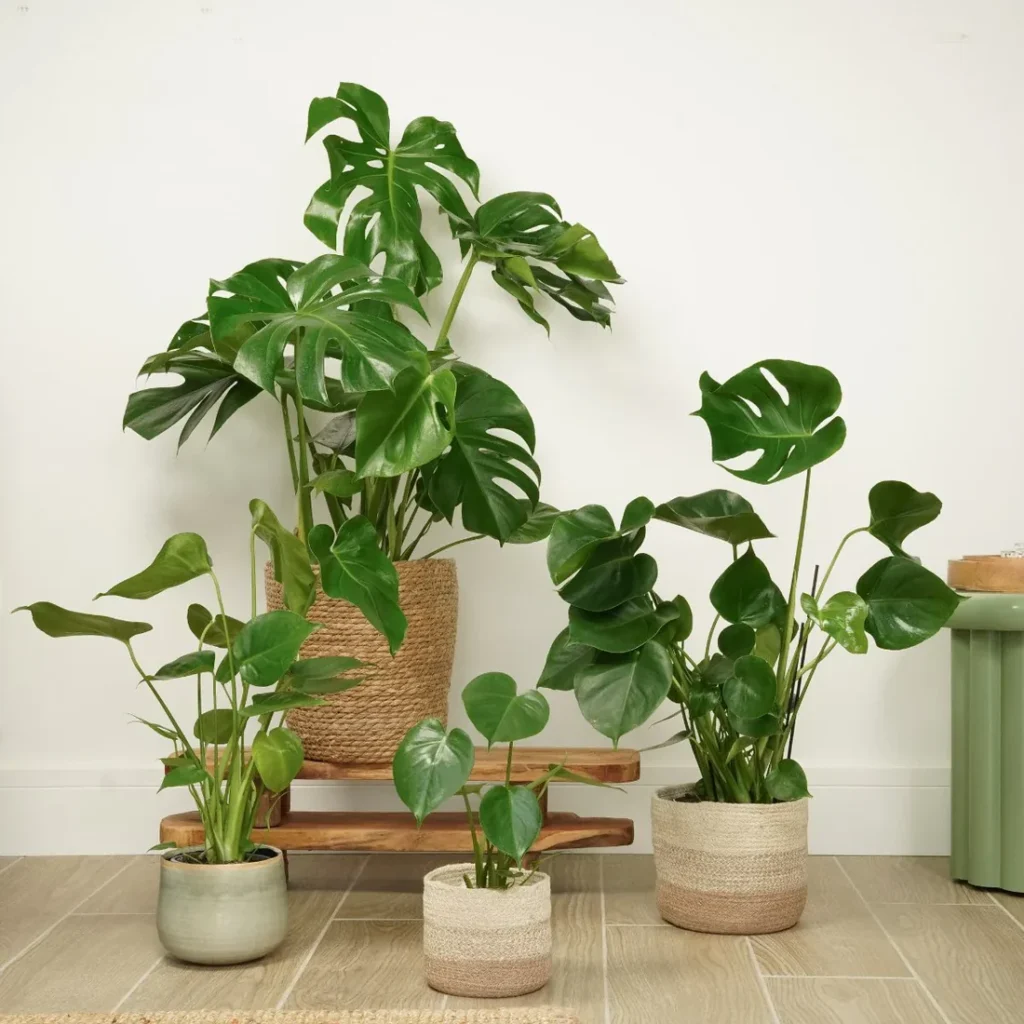
Monsteras need bright, indirect light. What does that actually mean? It means your plant should be in a room that feels bright and airy, but the direct rays of the sun shouldn’t directly hit the foliage for more than an hour or two.
- Best Windows: An East-facing window is perfect because it provides gentle morning sun. A West or South-facing window works beautifully too, just pull the plant a few feet back from the glass so it doesn’t get sunburned.
- The Low-Light Myth: Can a Monstera survive in a dark corner? Sure, for a while. But it won’t thrive. If your plant isn’t getting enough light, it will become “leggy” (long, skinny stems stretching toward the window) and it will stop producing those iconic splits, known as fenestrations.
The Art of Watering Without Killing Your Plant
Let’s be honest: overwatering is the number one assassin of indoor houseplants. It’s usually done out of pure love, but your Monstera prefers a bit of tough love. Because they grow on trees in nature, their roots need oxygen just as much as they need water. If the roots sit in stagnant, soggy mud, they will suffocate and rot.
How to Know When to Water
Forget a strict calendar schedule. Watering every Tuesday regardless of the soil condition is a recipe for disaster. Instead, use the finger test. Poke your index finger into the soil up to your second knuckle. If it feels damp and cool, leave it alone. If it feels dry and dusty, it’s time for a drink.
When you do water, water deeply. Pour water evenly over the soil until it runs out of the drainage holes at the bottom of the pot. Let it drain completely, and never let the pot sit in a saucer full of standing water.
Step-by-Step Guide to Potting, Soil, and Support
To give your Monstera the absolute best foundation, you need to set up its home correctly. Follow this step-by-step proccess to ensure your plant has the structural and nutritional support it needs to grow massive.
Step 1: Pick the Right Pot
Always choose a pot with drainage holes. If you find a gorgeous ceramic pot that doesn’t have holes, use it as a cachepot—keep the Monstera in a plastic nursery pot and slip that inside the pretty ceramic one. Your pot should only be 2-3 inches larger in diameter than the plant’s current root ball.
Step 2: Mix the Perfect Aroid Soil
Regular potting soil from the big-box store is often too heavy and retains too much water. Monsteras need a chunky, breathable mix. Here is my favorite DIY recipe:
- 50% Premium potting soil
- 20% Perlite (for drainage)
- 20% Orchid bark (for chunkiness and aeration)
- 10% Worm castings (for natural, gentle nutrients)
Step 3: Provide a Support Structure
Remember how we said Monsteras are climbers? In your home, they will eventually get top-heavy and start sprawling all over your living room floor. To keep them upright and encourage larger leaves, you need to give them something to climb.
Insert a moss pole or a sturdy wooden trellis into the pot during planting. Secure the main vines (not the leaf stems!) gently to the pole using plant Velcro or soft twine. As the plant grows, it will send out thick, brown aerial roots that will grip the pole for support.
Step 4: The Settling-In Period
After potting or repotting, give your plant a thorough watering and place it in its designated spot with bright, indirect light. Don’t worry if it looks a bit sad for the first week; plants experience shock just like humans do when they move to a new apartment.
Feeding and Maintenance for Explosive Growth
Once you have the lighting and watering down, maintaining your Monstera is surprisingly easy.
Fertilizer: Fuel for Big Leaves
During the spring and summer, your Monstera is working overtime to push out new growth. This is when you want to feed it. Use a balanced, water-soluble liquid fertilizer diluted to half strength once a month. When growth slows down in the autumn and winter, stop fertilizing entirely. Your plant is resting, and excess nutrients will just burn the roots.
Cleaning the Leaves
Dust accumulates on indoor plants surprisingly fast. A thick layer of dust blocks sunlight and reduces the plant’s ability to photosynthesize. Once every few weeks, take a damp microfiber cloth and gently wipe down both sides of the leaves. Not only does this keep the plant healthy, but it also gives it that signature, camera-ready shine.
Troubleshooting Common Monstera Problems
Even if your doing your best, you might run into a few hiccups. Don’t panic! Here is how to decode what your Monstera is trying to tell you.
Why are my Monstera leaves turning yellow?
This is the most common issue plant parents face. If the lower, older leaves are turning yellow one by one, it might just be the natural life cycle of the plant. However, if multiple leaves are turning yellow simultaneously and the soil feels mushy, your definitely overwatering. Hold off on watering and check the roots for rot.
Why are the leaf tips turning brown and crispy?
Crispy brown edges usually mean low humidity or underwatering. Monsteras love humidity levels above 50%. If your home is dry, consider grouping your plants together, running a humidifier nearby, or placing the pot on a tray filled with pebbles and water.
What are these tiny webs on the stems?
If you notice fine webbing on the undersides of leaves or where the stem meets the vine, you might have spider mites. Don’t freak out. Isolate the plant immediately so the pests don’t spread to your other green babies. Wipe the leaves down with a mixture of water and mild dish soap, or spray the plant thoroughly with neem oil once a week until the pests are gone.
Grow with Confidence
Learning how to care for indoor monstera plant is a journey of patience, observation, and a little bit of trial and error. Don’t beat yourself up if you lose a leaf here or there. Every mistake is just a data point making you a better plant parent.
Whenever you feel stuck or notice a weird spot on your foliage, remember that LeafCare.xyz is your go-to resource for indoor plant parents looking to grow a thriving green space at home. We are always here to help you troubleshoot and celebrate your plant wins.
If you found this guide helpful, make sure to bookmark LeafCare.xyz so you can easily reference it during your next watering session. Want more judgment-free plant advice delivered straight to your inbox? Subscribe to our weekly newsletter for exclusive tips, care hacks, and first dibs on our plant troubleshooting clinics. Still have questions about your Monstera’s quirky behavior? Drop a comment below and let’s chat about it!
