Tired of flying pests? Learn how to get rid of fungus gnats in indoor plants naturally with our step-by-step, chemical-free guide.
How to Get Rid of Fungus Gnats in Indoor Plants Naturally
You are relaxing on your couch, iced coffee in hand, admiring your beautiful indoor jungle. Suddenly, a tiny, annoying black bug darts right in front of your face. Then another one. You look over at your prized Monsteras, and there they are—a miniature cloud of tiny flies hovering around the soil surface.
Welcome to the club. You have fungus gnats.
Look, I get it, plant care can be frustrating but dealing with a gnat infestation is a rite of passage for every single plant parent. It doesn’t mean you are a bad plant caretaker, and it definitely doesn’t mean your home is dirty. These pests are incredibly common, but the good news is that you can completely eliminate them without resorting to harsh chemical pesticides.
Here at LeafCare.xyz, we believe in keeping your green spaces safe, healthy, and thriving using sustainable methods. In this comprehensive guide, we are going to dive deep into exactly how to get rid of fungus gnats in indoor plants naturally so you can reclaim your peace of mind and save your plant babies.
Understanding the Enemy: What Are Fungus Gnats?
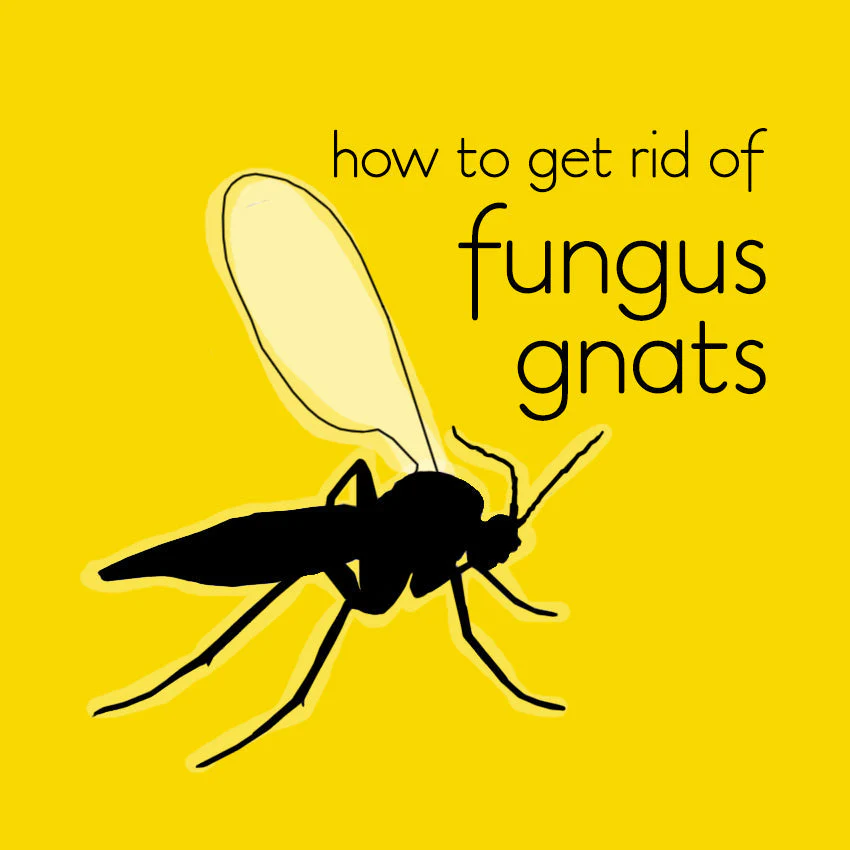
Before we start fighting them, we need to understand what we are dealing with. Fungus gnats (from the families Sciaridae, Diadocidiidae, and Mycetophilidae) are small, mosquito-like insects that thrive in high-moisture environments.
Here is the real talk: the flying adults you see buzzing around your face are actually harmless to your plants. They don’t bite, and they don’t chew leaves. They are just incredibly annoying. The real danger lies beneath the soil surface. Adult gnats lay hundreds of eggs in wet potting mix. When these eggs hatch, the larvae feast on organic matter, fungi, and—worst of all—the delicate root hairs of your indoor plants.
If left unchecked, a severe gnat larvae infestation can stunt your plant’s growth, cause yellowing leaves, and leave the roots vulnerable to root rot. That is why learning how to get rid of fungus gnats in indoor plants naturally is so crucial for the long-term survival of your indoor garden.
The Natural Gnat Control Toolkit: Quick Overview
When it comes to natural pest control, you have several highly effective options. Some methods target the flying adults, while others focus on destroying the larvae hidden in the dirt. For the best results, you should combine both approaches.
Here is a quick look at the best natural remedies we recommend here at LeafCare.xyz:
| Natural Remedy | Targets | Best For | How It Works |
| Yellow Sticky Traps | Adult Gnats | Monitoring & reducing adult population | Captures flying adults on a sticky, brightly colored surface. |
| Apple Cider Vinegar Trap | Adult Gnats | DIY home setups | Attracts adults with a sweet, fermented scent where they drown. |
| Bottom Watering | Eggs & Larvae | Prevention & management | Keeps the top 2 inches of soil dry, preventing adults from laying eggs. |
| Mosquito Bits / Dunks | Larvae | Deep soil treatment | Releases Bacillus thuringiensis israelensis (Bti), a natural bacteria that kills larvae. |
| Diatomaceous Earth | Larvae & Adults | Dry soil protection | A sharp, natural powder that dehydrates and cuts insects on contact. |
| Hydrogen Peroxide Flush | Larvae | Instant population control | Oxygenates soil and kills larvae on contact while bubbling away fungi. |
Step-by-Step Guide: How to Get Rid of Fungus Gnats Naturally
Getting rid of these pests requires a systematic proccess. If you only kill the adults, the eggs in the soil will hatch a few days later and restart the cycle. Follow this step-by-step system to break the lifecycle completely.
Step 1: Let the Soil Dry Out Completely
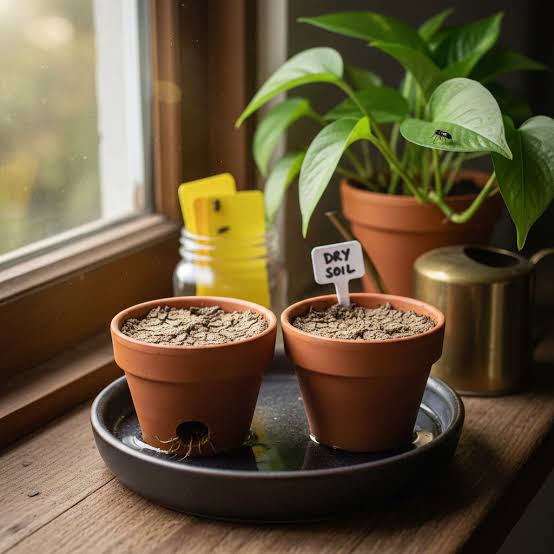
Fungus gnats absolutely love wet, soggy soil. It is their prime breeding ground. The absolute first thing you need to do is stop watering your plants on a strict calendar schedule. Let the top two to three inches of the potting mix dry out completely before you even think about grabbing your watering can.
By drying out the soil, you create an inhospitable environment for the adult gnats looking to lay eggs, and you will naturally dehydrate the existing eggs and younger larvae.
Step 2: Deploy Yellow Sticky Traps
To stop the adults from breeding, you need to catch them. Fungus gnats are naturally drawn to the color yellow. Place yellow sticky traps right at the soil level of your infected plants.
Within a few hours, you will see dozens of adult gnats stuck to the paper. While it looks a bit unsightly, it is incredibly satisfying and instantly stops them from flying into your face while your watching TV or working from home.
Step 3: Use the Apple Cider Vinegar Trick
If you don’t have sticky traps on hand, you can make a quick DIY trap using kitchen staples. Take a small shallow dish or a small jar, fill it with equal parts apple cider vinegar and warm water, and add 2-3 drops of liquid dish soap.
The gnats are attracted to the fermenting smell of the vinegar. When they land on the surface to take a drink, the dish soap breaks the surface tension, causing them to sink and drown. Place these dishes right next to your plant pots.
Step 4: Apply a Food-Grade Diatomaceous Earth Layer
Once your soil is dry, dust the surface with a thin, even layer of food-grade Diatomaceous Earth (DE). DE is a natural powder made from fossilized algae. To us, it feels like soft powder. To a tiny insect, it is like walking over microscopic broken glass.
When adult gnats try to crawl out of the soil or land to lay eggs, the DE cuts their exoskeletons and dries them out. Just be sure to wear a mask when applying it so you don’t inhale the dust, and keep in mind that you will need to reapply it if it gets wet.
Step 5: Treat the Soil with Bti (Mosquito Bits)
To tackle a heavy infestation, you need to bring out the big natural guns: Bacillus thuringiensis israelensis (Bti). This is a naturally occurring soil bacterium that specifically targets gnat, blackfly, and mosquito larvae without harming your plants, pets, or your family.
Soak Mosquito Bits in your watering can for about 30 minutes, strain out the bits, and use the treated water to water your plants. The larvae will eat the bacteria and die within 24 to 48 hours, effectively stopping the next generation in its tracks.
Long-Term Prevention Strategies
Once you have successfully cleared out the infestation, your goal shifts to keeping them gone forever. You don’t want to go through this whole headache again in two months.
Switch to Bottom Watering
Top watering leaves the upper layer of soil constantly moist, which is an open invitation for gnats. Instead, try bottom watering. Fill a tray or your sink with water, place your drainage-hole-equipped plant pot into the water, and let it soak up moisture from the bottom for 15-20 minutes. This keeps the top layer of dirt bone-dry while still giving your plant’s roots the hydration they desperately need.
Add a Sand or Gravel Barrier
If you have a chronically sensitive plant that loves moisture, cover the top of the soil with a half-inch layer of clean horticultural sand or fine aquarium gravel. This coarse barrier makes it physically impossible for adult gnats to burrow down and access the organic soil to lay their eggs.
Inspect New Plants and Check Your Fertilisar
Always quarantine new green additions for at least two weeks before introducing them to your main plant collection. Often, gnats hitch a ride from the nursery or greenhouse. Additionally, avoid overusing organic fertilisar mixes like fish emulsion or kelp meal indoors during a gnat breakout, as the strong organic aroma can attract adult pests looking for a feeding ground.
Managing a home jungle shouldn’t feel like a constant battle against nature. By staying consistent with these non-toxic, eco-friendly strategies, you can easily protect your green space and enjoy a pest-free home.
If you found this guide helpful, make sure to bookmark LeafCare.xyz so you always have expert plant care advice right at your fingertips. Want more actionable tips delivered straight to your inbox? Subscribe to our weekly LeafCare newsletter for exclusive guides, troubleshooting tips, and plant styling inspiration.
Do you have a question about a struggling plant or a stubborn gnat problem? Drop a comment below—our community of plant experts is always here to help you navigate your plant parent journey!
