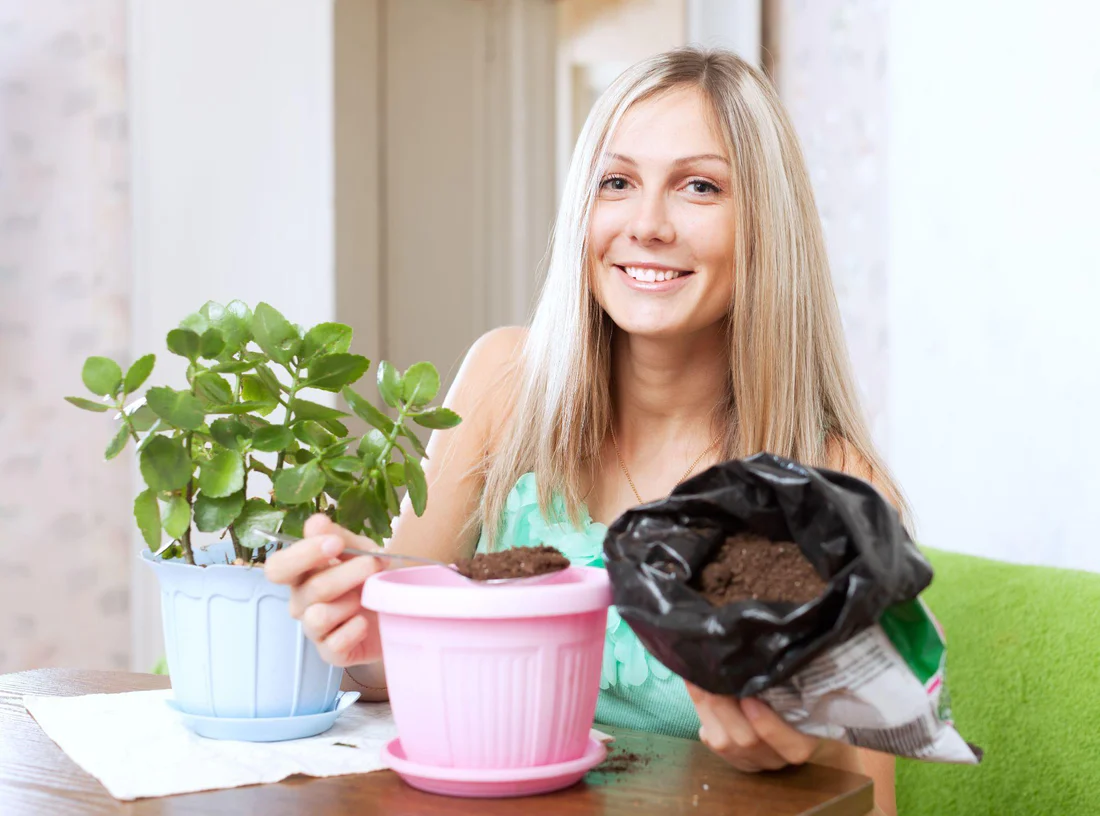
Want to feed your jungle safely? Discover the best organic fertilizer for indoor plants to get massive, lush growth without burning your roots.
Best Organic Fertilizer for Indoor Plants: The Ultimate Guide to Feeding Your Jungle Safely
You’ve mastered the art of not drowning your pothos. You’ve successfully found the perfect bright, indirect lighting sweet spot for your monstera. Your indoor garden is alive, stable, and looking pretty good. But lately, you’ve noticed that your plants have kind of… stalled. New leaves are smaller than the old ones, or maybe your peace lily hasn’t put out a pristine white bloom in months.
When houseplants stop growing during the spring and summer, they are usually starving.
Look, I get it, plant care can be frustrating but picking out plant food doesn’t have to turn into a high school chemistry experiment. When you walk down the nursery aisle, you are flooded with synthetic blue liquids and chemical powders that promise miracle growth. But here is the real talk: chemical fertilizers are often way too harsh for the small ecosystem inside a living room pot. One accidental heavy pour, and you can instantly fry your plant’s roots.
That is why switching to natural alternatives is a complete game-changer. As a senior indoor gardening expert here at LeafCare.xyz, I have trialed almost every plant food on the market. Today, we are breaking down how to find the best organic fertilizer for indoor plants so you can feed your green babies safely, avoid root burn, and achieve explosive, lush growth.
Organic vs. Synthetic: The Quick Comparison Dashboard
Before we look at individual options, let’s look at why organic plant food hits different. Synthetic fertilizers feed the plant directly with harsh chemical salts, while organic options feed the soil microbiome, creating a sustainable, slow-release buffet of nutrients.
| Feature | Organic Fertilizer | Synthetic Fertilizer |
| Nutrient Source | Natural (fish, kelp, worms, compost) | Chemically manufactured mineral salts |
| Risk of Root Burn | Extremely low; gentle and slow-releasing | High; excess salts pull moisture out of roots |
| Soil Health Impact | Rebuilds the soil microbiome and microbes | Can degrade soil structure and kill beneficial fungi over time |
| Nutrient Release Speed | Gradual; feeds your plant over weeks | Immediate; quick burst followed by a sharp drop |
| Eco-Friendliness | High; sustainable, upcycled natural waste | Low; energy-intensive manufacturing proccess |
Top Contenders for the Best Organic Fertilizer for Indoor Plants
When you are looking for the best organic fertilizer for indoor plants, you aren’t just looking for one single magical ingredient. Different plants love different natural blends. Here are the top three organic options that every plant parent should keep in their utility closet.
1. Worm Castings (The Gentle Giant)
Let’s start with my absolute favorite: worm castings. If you want a zero-stress option, this is it. Worm castings are essentially worm poop, and they are packed with rich humic acids and microbes.
- Why it rules: It is physically impossible to burn your plants with worm castings. You could literally plant a pothos in a pot filled with 100% worm castings, and it would be perfectly fine.
- How it works: It acts as a superb slow-release soil conditioner, steadily feeding nitrogen and micronutrients to your plants every time you water.
2. Liquid Fish Emulsion and Kelp Blends (The Growth Booster)
If your looking for a natural alternative to those famous blue chemical drops, a liquid fish and kelp blend is the heavyweight champion.
- Why it rules: Fish emulsion supplies an immediate hit of nitrogen (great for pushing out massive green leaves), while kelp (seaweed) provides over 60 trace minerals and natural growth hormones that stimulate deep root development.
- The catch: Here is the real talk—it smells like a harbor on a hot summer day. The scent usually dissipates within 24 hours, but if your applying it indoors, make sure you open a window!
3. Compost Tea and Plant-Based Liquid Extracts
For apartment dwellers who want zero smell and absolute convenience, liquid compost extracts or pre-brewed compost teas are fantastic. They offer a clean, balanced dose of macronutrients without any organic odors, making them perfect for bedroom plants.
Step-by-Step Guide to Applying Organic Fertilizer Without a Mess
To get the absolute most out of the best organic fertilizer for indoor plants, you need to apply it correctly. Follow this simple step-by-step proccess to feed your indoor jungle safely and cleanly.
Step 1: Check the Season and Plant Health
Never fertilize a plant in the dead of winter when it is resting, and never feed a plant that is currently suffering from bone-dry soil, root rot, or a major pest attack. Only feed healthy, actively growing plants during the spring and summer. If your plant’s soil is hydrophobic (so dry that water rolls right off it), give it a regular watering first before adding any fertilisar mix.
Step 2: Dilute Liquid Solutions to Half Strength
Even though organic liquid fertilizers are incredibly gentle, indoor plants living in pots don’t need the same heavy concentrations as outdoor farm crops. Take your liquid fish emulsion or kelp extract and dilute it to half the strength recommended on the bottle. Mix it thoroughly into a jug of room-temperature, filtered water.
Step 3: Top-Dress with Worm Castings
For an extra layer of long-term nutrition, take a handful of pure worm castings and gently scratch them into the top inch of your plant’s existing potting soil. This ensures that every single time you perform your standard watering routine, a gentle stream of nutrients washes down into the root zone.
Step 4: Drench and Let It Drain
Pour your diluted organic liquid mix evenly across the soil surface until you see liquid trickling out of the drainage holes at the bottom of the pot. Let the plant sit in your sink or tub for 20 minutes to drain completely. Never leave the base of the pot sitting in a saucer full of leftover liquid fertilizer.
Reading Your Plant’s Nutrition Signals
Your indoor garden will actively tell you if you are hitting the sweet spot or overdoing it.
Signs Your Plant Needs More Food
If your plant is sitting in great light and getting perfect water, but its newest leaves are pale green, significantly smaller than older leaves, or if the lower leaves are consistently turning yellow and dropping off despite the soil being perfectly damp, your plant is drawing nutrients from its own old tissue to survive. It’s time to feed.
Signs of Fertilizer Overload
Even with organic options, excess can happen if you apply them weekly. Look out for a crusty white or orange mineral buildup on the surface of the soil or around the inside rim of your terra cotta pots. If you notice the tips of your leaves suddenly turning brown and crispy overnight right after a feeding session, wash the soil out with plain, clear water to flush away the excess nutrients.
Keep Your Indoor Jungle Thriving Naturally
At the end of the day, finding the best organic fertilizer for indoor plants isn’t about chasing overnight, artificial miracles. It’s about cultivating a healthy, living soil system inside your home that allows your plants to grow at their own beautiful, sustainable pace. By ditching the harsh synthetic chemicals and choosing natural alternatives, you protect your plant’s root systems and build a much more resilient indoor garden.
Whenever you find yourself unsure about a care routine, running into a sudden leaf issue, or wondering how to repot a growing vine, remember that LeafCare.xyz is your go-to resource for indoor plant parents looking to grow a thriving green space at home. We take the stress out of plant ownership by delivering real, judgment-free advice.
If this organic feeding guide helped clear up your plant care confusion, make sure to bookmark LeafCare.xyz so you can reference our care dashboards whenever you do your weekend plant chores. Want a weekly delivery of practical plant hacks, product recommendations, and organic gardening secrets sent straight to your inbox? Subscribe to our newsletter today! Still trying to figure out if your monstera needs a nitrogen boost or a kelp cocktail? Drop a comment below with your plant types, and let’s plan out their perfect summer menu together!
