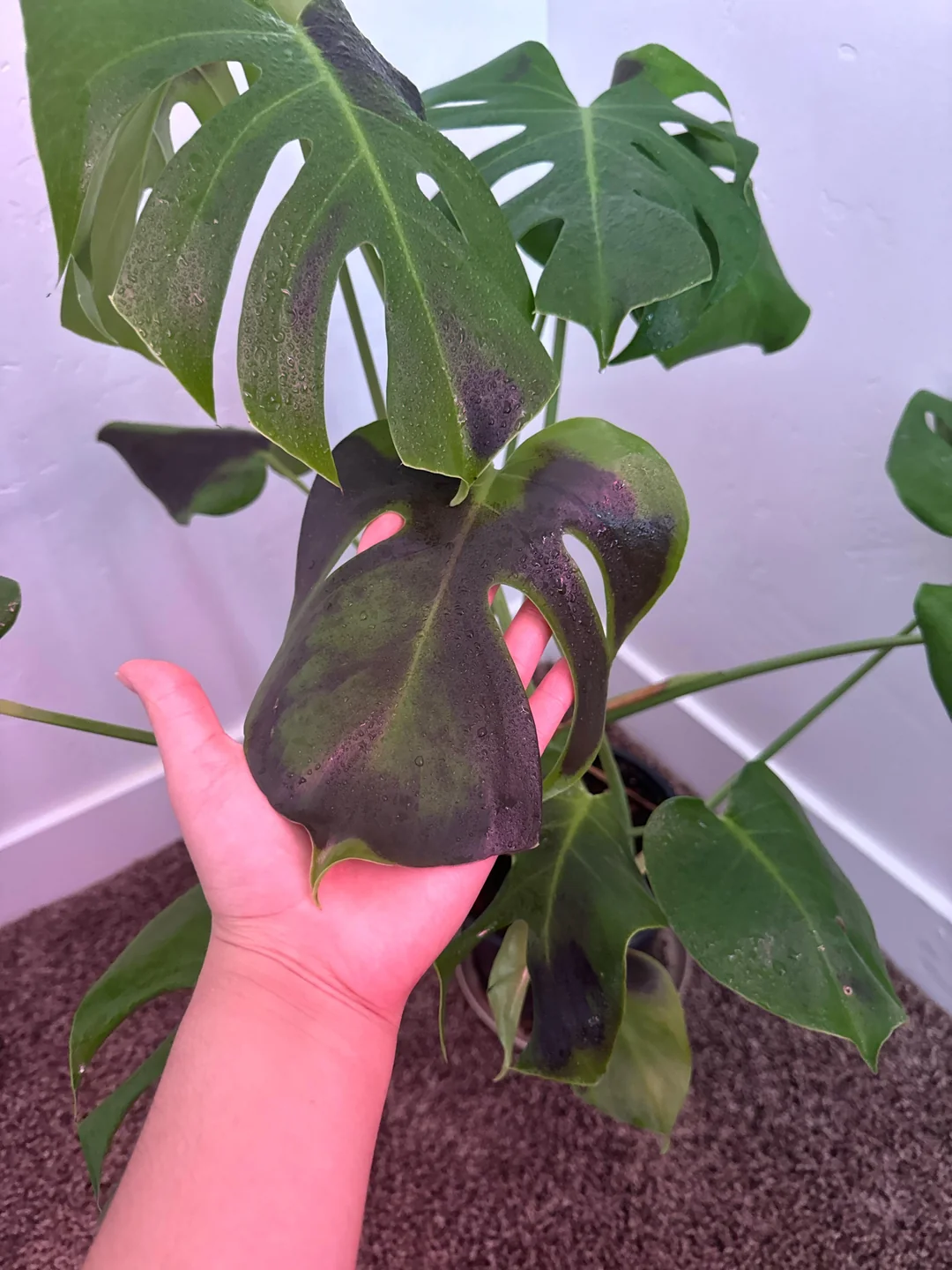
Is your houseplant burning? Learn the unmistakable signs indoor plant is getting too much sun and follow our guide to fix sunburned leaves.
Signs Indoor Plant Is Getting Too Much Sun: How to Spot and Fix Houseplant Sunburn
We have all been there. You find the absolute perfect spot for your new tropical houseplant right on a wide, sun-drenched windowsill. You picture it soaking up those intense rays, growing at lightning speed, and turning your living room into a gorgeous, Instagram-worthy jungle. It feels like you are giving your plant a luxurious beach vacation.
But a few days later, you walk over to inspect your green baby and notice something highly alarming. The lush leaves are looking incredibly pale, strange bleached patches are appearing out of nowhere, and the tips are turning crispier than a potato chip.
Look, I get it, plant care can be frustrating but mistakenly assuming that more sun always equals a happier plant is one of the most common mistakes a new plant parent can make. We tend to forget that glass windows act like giant magnifying glasses, intensely concentrating heat and light rays. When a delicate understory plant like a calathea or a pothos gets blasted by harsh, direct afternoon sun, it doesn’t get energized—it literally gets sunburned.
Recognizing the early signs indoor plant is getting too much sun is absolutely crucial to saving your collection before the damage becomes permanent. Today, we are going to dive deep into the exact physical warnings your plants use to tell you they are frying, how to differentiate light damage from underwatering, and a complete emergency recovery plan. Here at LeafCare.xyz, we are all about giving you practical, judgment-free advice to keep your home space beautifully green. Let’s break down the real talk on solar damage.
The Science of Houseplant Sunburn: What’s Happening Underground and Overhead
To understand why too much sun is dangerous, we have to look at how indoor plants function. Most of our favorite houseplants originate from tropical rainforests, where they live on the jungle floor. Overhead, a dense canopy of massive trees filters out the intense, direct sunlight, leaving the plants below with soft, dappled, indirect light.
When you place these varieties in front of an unobstructed, south-facing window, the sheer volume of photons completely overwhelms their leaves. The plant’s cells cannot process the solar energy fast enough, causing a breakdown of chlorophyll—the vital green pigment that allows the plant to photosynthesize and create food.
Worse yet, intense sunlight causes cellular moisture to evaporate at an unsustainable pace. The roots cannot pump water up from the soil quickly enough to keep up with the loss, leading to a dual crisis of heat stress and extreme dehydration.
Light Stress vs. Moisture Stress: The Key Differences
It can be incredibly tricky to tell if your plant is suffering from a lack of water or a surplus of sunlight, as the symptoms often overlap. To keep things clear, here is a quick diagnostic table to help you identify the true culprit behind your plant’s distress.
| Symptom | Sunburn / Too Much Light | Severe Underwatering |
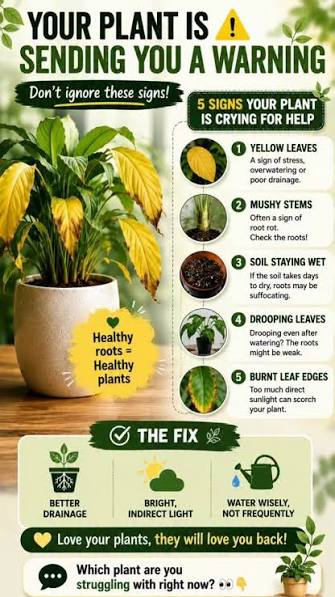
| Leaf Color Change | Specific bleached white, washed-out yellow, or crisp brown patches on the sections directly facing the window. | Uniform yellowing or browning across the entire plant, starting from the oldest lower leaves. |
| Texture of Spots | Papery, dry, brittle, and localized to the highest points of the plant. | Entire leaf becomes crispy, dry, and crumbles easily. |
| Soil Moisture | Can occur even if the potting soil is completely wet or damp. | Potting soil is completely bone-dry, lightweight, and pulling away from the pot edges. |
| Foliage Position | Leaves curling inward, twisting away from the glass, or dropping vertically to hide from the light. | Whole plant droops or wilts uniformly downward toward the floor. |
| Recovery Time | Damaged tissue never recovers; new growth takes weeks to emerge after moving the pot. | Plant bounces back and perks up within a few hours after a thorough watering. |
The Unmistakable Signs Indoor Plant Is Getting Too Much Sun
Your plants can’t scream when they are overheating, but they will display highly visible structural cues. If you spot any of these signs indoor plant is getting too much sun, you need to act quickly before the tissue dies off completely.
1. Bleached, Scorched, or Ghostly White Patches
This is the definitive, textbook symptom of plant sunburn. If the leaves that are closest to the window glass start developing pale yellow, tan, or stark white patches, the sun has literally bleached the chlorophyll right out of the foliage. These patches will eventually turn dry, brown, and paper-thin. If you notice the damage is exclusively on the side of the plant facing the light source while the backside remains perfectly green, your looking at a clear case of light scorching.
2. A Faded, Washed-Out, Dull Green Appearance
Before a leaf completely burns, it will often lose its rich, vibrant depth. If your dark green philodendron or monstera starts looking faded, chartreuse, or an unnatural matte yellow-green, it is producing an excess of carotene pigments to protect itself from light overload. Think of it as a desperate, built-in plant sunscreen.
3. Crisp, Brown Leaf Tips and Cracking Edges
When the solar heat is too intense, the moisture at the outer margins of the leaves evaporates faster than the plant’s vascular system can replace it. This results in brittle, brown, crunchy edges that split or crack when you touch them. While this can also happen due to low humidity, sun-induced crispy edges are almost always accompanied by hot leaves and warm potting soil.
4. Downward Leaf Curling and Defensive Angling
Plants are incredibly smart. When they realize they are getting hit by too much radiation, they will physically alter their posture to minimize their surface exposure. You might notice the leaves curling tightly inward into tubes, twisting sideways, or drooping completely vertical. They aren’t wilting from lack of water; they are trying to present the smallest possible profile to the burning rays overhead.
5. Rapid Leaf Drop of Crisp Foliage
If the sun stress continues completely unchecked, the plant will enter survival mode. To save its core stems and root system, it will systematically cut off its connection to the most damaged leaves. Unlike overwatered leaves that turn mushy and drop slowly, sun-stressed leaves will drop off rapidly while still remaining relatively stiff, dry, and light-colored.
Step-by-Step Emergency Guide to Reviving a Sunburned Plant
If you looked at your collection and realized your plant displays all the classic signs indoor plant is getting too much sun, don’t panic. As long as the main stems are still firm and healthy, your plant can make a spectacular recovery. Follow this exact step-by-step proccess to heal your sun-stressed green companion.
Step 1: Evacuate the Plant Immediately
The very first thing you need to do is move the plant away from the danger zone. Pull it back several feet into the interior of the room, or move it to a completely different room that features soft, indirect light from an east- or north-facing window. Give it a calm, stable environment where its temperature can normalize.
Step 2: Hydrate and Cool the Root Ball
Sunburned plants are incredibly thirsty and running on empty. Check the potting soil. If it is dry and hot to the touch, take the plant to your kitchen sink or bathtub. Give it a thorough, deep watering with lukewarm water. Let the water run freely out of the drainage holes to fully rehydrate the root ball and cool down the internal soil environment.
Step 3: Assess the Damage and Prune Wisely
Here is the hard truth: once a leaf has been bleached white or turned crispy brown by the sun, that specific tissue is dead and will never turn green again. However, don’t go cutting off every single leaf immediately. If a leaf is only 20% damaged, leave it alone for now; it can still photosynthesize and provide vital energy to help the plant recover. If a leaf is completely scorched, brown, and dead, use a pair of sterilized shears to snip it off at the base of the stem to clean up the look of the plant.
Step 4: Boost the Local Humidity
Sun-stressed plants have lost a massive amount of atmospheric moisture. To help them heal without losing more water through their leaves, increase the humidity around them. You can group them closely with other houseplants, set them on a tray filled with pebbles and water, or run a small humidifier nearby.
Step 5: Absolutely Hold the Fertilisar
When a plant is recovering from physical trauma, the absolute last thing it needs is a blast of heavy growth chemicals. Feeding a sunburned plant with chemical or organic fertilisar will easily burn the stressed, dehydrated root system, finishing off the plant for good. Hold off on any feeding routines for at least two months until you see healthy, vibrant new leaves emerging naturally.
How to Properly Acclimate Your Plants to Brighter Light
Moving forward, you don’t have to keep all your plants hidden away in dark hallways forever. Many houseplants can actually handle a surprising amount of sun if they are introduced to it properly. The secret is a technique called acclimation.
If you want to move a plant to a brighter location, do it incrementally over a period of two to three weeks. Move the pot one foot closer to the window every few days, or place it in the bright spot for just one hour a morning before moving it back to the shade. This gradual transition allows the leaves to slowly build up their cellular tolerance, strengthening their outer cuticle layer without triggering a total burn.
Your Trusted Partner for a Thriving, Beautiful Urban Jungle
Learning to spot the hidden signs indoor plant is getting too much sun is an essential milestone for any modern plant parent. It transforms you from someone who simply guesses what their plants want into an intuitive grower who truly understands how your unique home environment impacts your green space. Mistakes happen to everyone, but catching the warnings early ensures your collection stays resilient, lush, and gorgeous all year round.
Whenever you find yourself struggling with a mystery leaf issue or want to upgrade your indoor design game, remember that LeafCare.xyz is your ultimate go-to resource for straightforward, expert-led plant care strategies.
Have you ever accidentally roasted one of your favorite tropical plants on a hot windowsill, or are you trying to figure out if a specific window spot is too intense right now? We would love to help you troubleshoot your layout! Drop a comment down below with your plant varieties and window directions, or subscribe to our weekly newsletter for the freshest, most practical indoor gardening secrets delivered straight to your inbox every single week!
