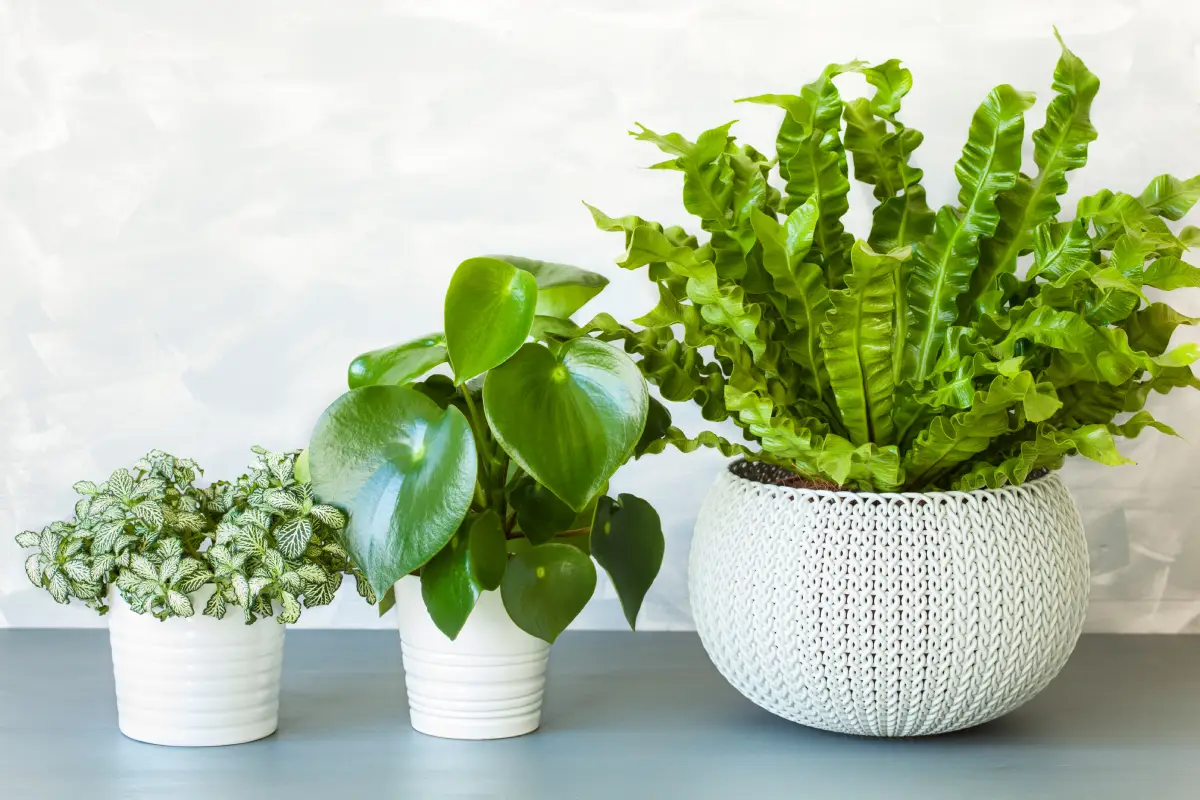
Master how to fertilize indoor plants in summer. Learn the exact steps to fuel massive summer growth without burning your plant’s roots!
How to Fertilize Indoor Plants in Summer: The Ultimate Guide to Fueling Your Jungle
Summer is officially here, and your apartment is likely buzzing with peak growing energy. The days are long, the sun is streaming through your windows, and your indoor plants are waking up with a serious appetite. You’ve probably noticed your pothos pushing out new trails, your monstera uncurling giant split leaves, and your snake plant finally throwing up fresh green spikes.
During these high-intensity sunny months, your plants are working overtime. They are photosynthesizing at lightning speed, which means they are rapidly burning through the limited nutrients trapped inside their little plastic or ceramic pots.
Look, I get it, plant care can be frustrating but standing in the garden center staring at a wall of synthetic chemical powders and organic liquids can make anyone want to give up. You don’t want to accidentally fry your collection, but you also don’t want your plants to starve during their most important growth sprint of the year.
Here is the real talk: learning how to fertilize indoor plants in summer is the single best way to unlock massive, lush foliage. If you want those vibrant, magazine-worthy plants, you have to feed them.
As a senior indoor gardening expert here at LeafCare.xyz, I have spent years perfecting the art of seasonal plant nutrition. Today, we are breaking down the exact rules, ratios, and steps to safely and effectively feed your collection during the warmest months of the year.
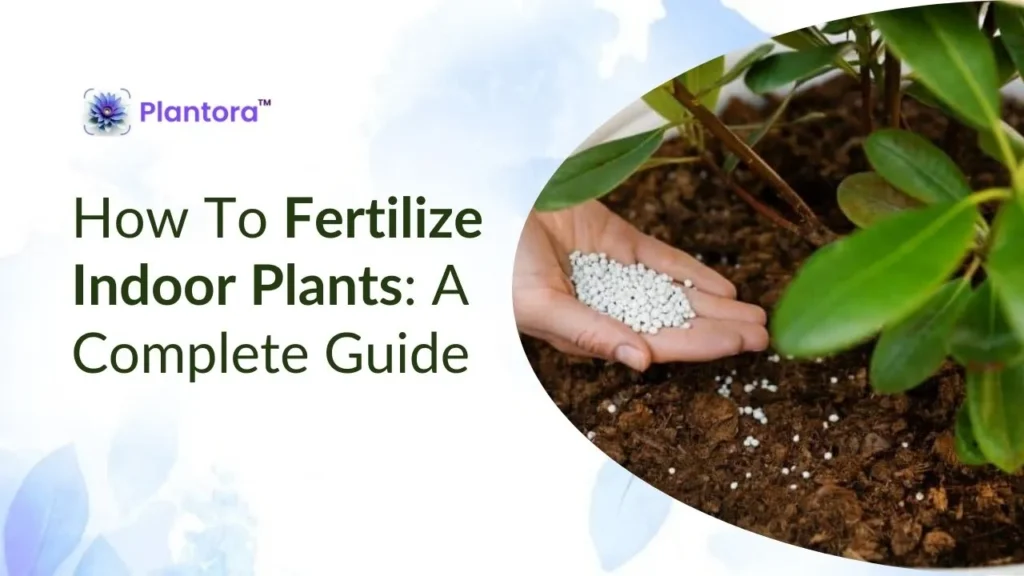
Summer Plant Feeding: The Quick Reference Dashboard
When you are mastering how to fertilize indoor plants in summer, you need to match the type of food to your specific plant care style. Use this handy care summary table to pick your perfect summer feeding strategy.
| Fertilizer Type | Best Suited For | How Often to Apply | Risk of Root Burn |
| Liquid Organic Extract (Fish/Kelp) | Heavy summer growers (Monsteras, Philodendrons) | Every 2 to 3 weeks (Diluted) | Extremely Low |
| Synthetic Liquid Fertilizer | Quick results, budget-friendly plant collections | Once a month (Always cut to 50% strength) | High if over-applied |
| Worm Castings (Top-Dressing) | Low-maintenance plants, absolute beginners | Once at the start of summer | Zero Risk |
| Slow-Release Granules | Busy plant parents, large trailing shelf setups | Once per summer season | Low to Medium |
Why Summer Feeding Hits Completely Different
To understand why learning how to fertilize indoor plants in summer is so vital, you have to look at the seasonal rhythm of a houseplant. In the winter, plants go into a semi-hibernation mode due to short days and weak sunlight. They stop growing, which means their nutrient consumption drops to zero.
But when June, July, and August roll around, the ambient temperature rises and the daylight hours stretch out. This extra solar energy kicks your plant’s metabolism into overdrive.
Think of your plant like an athlete running a marathon. In the winter, it was resting on the couch. In the summer, it is sprinting. If you only give it plain water while it is sprinting, it will quickly exhaust the existing minerals in its potting soil. When that happens, new leaves start growing in smaller, weaker, and way less vibrant. By learning how to fertilize indoor plants in summer, your delivering the raw building blocks—nitrogen, phosphorus, and potassium—that your plants need to build thick stems and massive, healthy root systems.
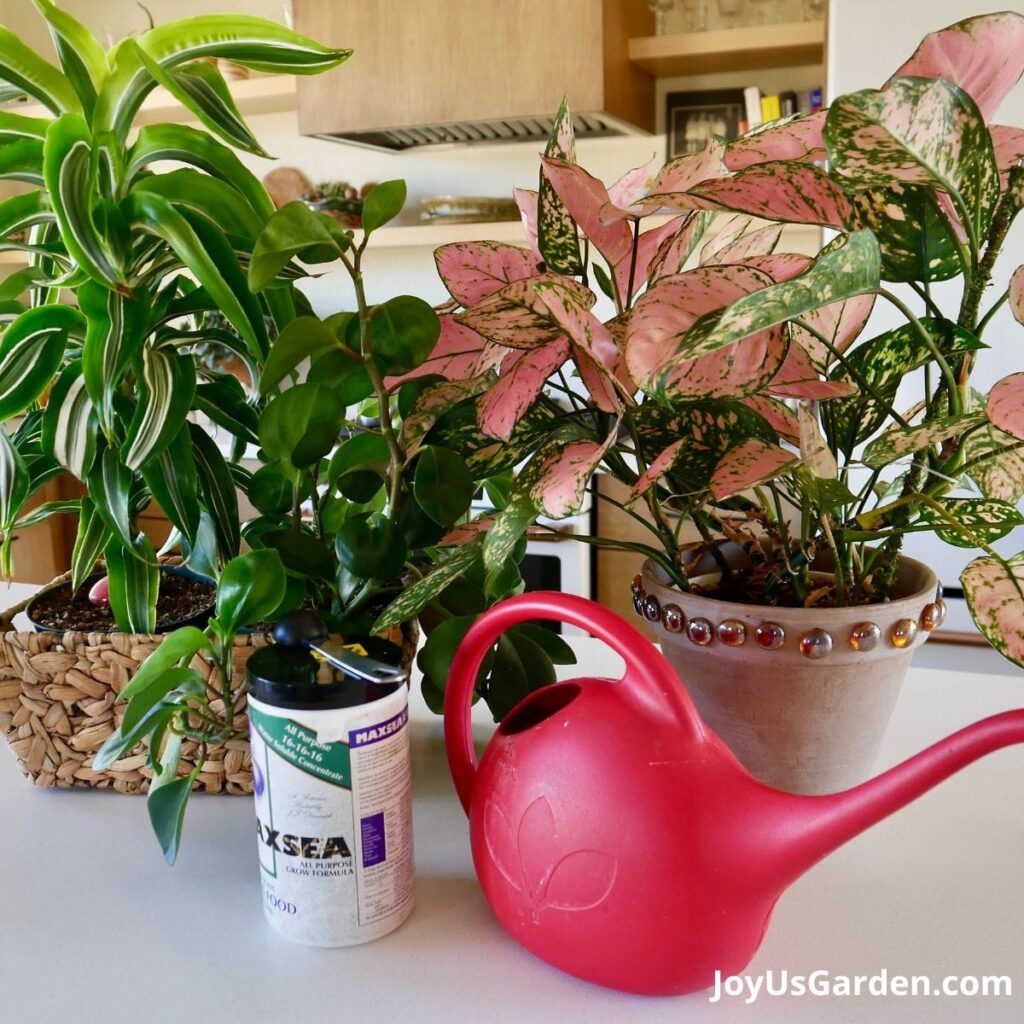
Step-by-Step Guide to Fertilizing Your Plants This Summer
Feeding your indoor jungle doesn’t need to be messy or intimidating. Follow this exact step-by-step proccess to ensure your plants get maximum nutrition with absolutely zero risk of root damage.
Step 1: Never Feed a Thirsty Plant
This is the absolute golden rule of houseplant nutrition, and missing this step is the number one reason beginners accidentally damage their collections. If your plant’s soil is bone-dry and the leaves are drooping, the roots are in an incredibly vulnerable, highly absorbent state. If you pour a concentrated fertilisar liquid directly onto dry roots, they will absorb the mineral salts too quickly, leading to severe chemical root burn.
Always check your plant first. If it’s dry, give it a normal watering with plain water today. Wait 24 to 48 hours for the soil to become evenly damp, and then proceed with your feeding routine.
Step 2: Dilute Your Mix to Half Strength
No matter what the back of the fertilizer bottle tells you, cut that recommendation right in half. Commercial fertilizer instructions are often written for large outdoor garden plots or greenhouse environments with perfect, hyper-intense lighting.
Inside an apartment or house, your plants don’t need that heavy of a chemical payload. Take your liquid organic extract or synthetic drops and mix them into a large watering can filled with room-temperature, filtered water at 50% of the recommended dose. Your better off feeding your plants a weaker solution slightly more often than hitting them with a massive, concentrated dose all at once.
Step 3: Apply Evenly Across the Soil
Slowly pour your diluted summer fertilizer mix over the entire surface of the potting soil. Don’t just dump it all in one spot. You want to ensure the liquid permeates the entire root ball evenly. Keep pouring until you see the nutrient-rich water beginning to trickle freely out of the drainage holes at the bottom of the vessel.
Step 4: Drench and Drain Completely
Let your plant sit in the sink, tub, or its saucer for about 15 to 20 minutes to drain out all the excess liquid. Once the dripping stops, dump out any residual liquid that has pooled in the bottom of the decorative cover pot or saucer. If your plant sits in a stagnant puddle of leftover fertilizer water, it will quickly cause the lower roots to rot and suffocate.
Decoding Your Plant’s Summer Nutrition Signals
Your plants will actively show you whether your hitting the sweet spot or overdoing your summer feeding routine. You just have to know what to look for.
Signs Your Plants are Starving for Summer Nutrients
If your plant is sitting in an ideal bright window and your watering routine is perfectly consistent, but it still refuses to put out any new growth, it is likely starving. Other major red flags include new leaves that look incredibly pale or yellow compared to the older foliage, or a plant that is suddenly dropping its lower, older leaves to recycle nutrients for the top of the plant.
Signs of Fertilizer Overload (Over-Feeding)
If you get a little too enthusiastic with the plant food, your plant will warn you. Look out for a crusty white, crunchy mineral buildup forming on the top layer of your soil or around the drainage holes of your terra cotta pots. If you notice the tips and edges of your gorgeous leaves suddenly turning crisp, black, or dark brown a day or two after a feeding session, that is a classic sign of fertilizer burn.
If this happens, take your plant to the shower immediately and run plain, lukewarm water through the soil for five straight minutes to flush out the excess accumulation of mineral salts.
Elevate Your Summer Plant Care Routine
Once you have the watering and feeding down, keeping your plants pristine all summer is all about maintaining balance. Because your applying nutrients more frequently, you should also increase how often you wipe down the leaves. Dust builds up quickly when windows are open in the summer, and a clean leaf absorbs that crucial summer sunlight much faster.
Whenever you find yourself second-guessing a watering choice, dealing with a sudden pest outbreak, or wondering if your plant needs a bigger pot, remember that LeafCare.xyz is your go-to resource for indoor plant parents looking to grow a thriving green space at home. We take the anxiety out of plant ownership by breaking down the science into real, actionable, and judgment-free steps.
If this summer feeding guide helped boost your plant parenting confidence, make sure to bookmark LeafCare.xyz so you can easily reference our care dashboards during your weekend plant chores. Want a regular delivery of non-boring plant care advice, easy propagation hacks, and seasonal styling tips sent straight to your inbox? Subscribe to our weekly newsletter today! Still trying to figure out if your monstera needs a heavy nitrogen boost or a gentle organic treat? Drop a comment below with your current plant setup details, and let’s plan out the perfect summer menu for your jungle!
