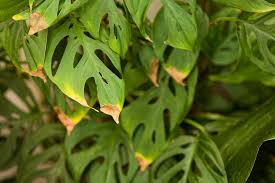
Are your houseplants getting crispy, ugly brown tips? Discover the top brown tips on indoor plant leaves causes and learn exactly how to fix them.
Brown Tips on Indoor Plant Leaves Causes: How to Fix Your Crispy Houseplants
Look, I get it, plant care can be frustrating but nothing kills the vibe of a gorgeous, leafy living room quite like crispy, ugly edges. You spend months doting on your favorite Calathea or Pothos, only to wake up one morning and notice the ends look like they’ve been singed by a tiny flame.
First of all, drop the guilt. Finding crunchy edges on your green babies is practically a rite of passage for plant parents. It doesn’t mean you are a bad plant caretaker, and it definitely doesn’t mean your plant is bound for the compost bin. It’s just your plant using its own version of sign language to tell you that something in its environment is slightly off balance.
Here is the real talk: if you want to fix those crunchy edges, you have to understand the specific triggers behind them. In this comprehensive guide, we are going to break down the primary brown tips on indoor plant leaves causes and walk you through a foolproof, step-by-step recovery plan. At LeafCare.xyz, we are dedicated to helping millennial and Gen-Z plant parents cut through the confusion and grow a thriving green space at home without the stress.
The Core Brown Tips on Indoor Plant Leaves Causes
To stop the browning, we have to look below the surface. Leaves turn brown at the tips because water isn’t successfully reaching the very furthest cells of the leaf tissue. When these cells dry out and die, they turn brown and crispy.
While there are several reasons why this water flow gets disrupted, they generally boil down to four main culprits: hydration issues, atmospheric moisture, chemical sensitivities, and root health.
1. Inconsistent Watering Habits
This is the absolute most common cause of crispy leaf tips. Both underwatering and overwatering can trigger this symptom, which confuses a lot of people.
When you underwater, there simply isn’t enough moisture in the soil for the roots to drink up and push to the outer edges of the foliage. On the flip side, when you chronically overwater, the soil becomes waterlogged, suffocating the roots and causing them to rot. Because rotten roots can no longer absorb water, the tips of the leaves dry out anyway, mimicking the look of a thirsty plant.
2. Low Environmental Humidity
Most of our beloved houseplants originated in tropical rainforests where the air is thick with moisture. Our modern homes, especially when we run air conditioning in the summer or central heating in the winter, are notoriously dry. When the air lacks humidity, moisture evaporates out of the leaf pores faster than the roots can replace it, leaving you with dry, brittle edges.
3. Tap Water Minerals and Chemical Burn
Plants can be surprisingly picky about what they drink. Standard municipal tap water is often treated with chlorine, fluoride, and various heavy minerals. While these are perfectly safe for humans, certain sensitive plants—like Spider Plants, Prayer Plants, and Peace Lilies—cannot handle them. The plant absorbs these chemicals, pushes them to the very ends of the leaves to get them away from the core, and the accumulation eventually burns the leaf tissue.
4. Over-Fertilizing and Salt Buildup
We all want our plants to grow as fast as possible, but overdoing it with plant food is a major mistake. Excess fertilizer builds up in the soil as mineral salts. These salts act like a sponge in reverse, actually sucking moisture away from the plant roots and causing chemical root burn, which reflects directly as brown tips on your foliage.
Crispy Tip Diagnostic Matrix
To help you figure out exactly what is going on with your specific plant, let’s look at how these different causes present themselves in real life.
| The Visual Clue | Soil Condition | The Primary Cause | What It Means |
| Brittle brown tips with a yellow halo | Completely dry, compacted | Underwatering | The plant is dehydrated and needs a thorough soak. |
| Soft brown tips with limp, yellowing lower leaves | Consistently soggy, wet | Overwatering | Roots are suffocating and unable to transport water. |
| Uniformly dry, crispy tips across multiple plants | Normal moisture levels | Low Humidity | The air in your living space is too dry for tropical varieties. |
| Tiny brown tips on otherwise perfectly healthy leaves | Damp or normal | Tap Water Sensitivity | Mineral salts from municipal water are building up in the leaf tips. |
| Aggressive browning spreading rapidly down the leaf | Dry or damp | Fertilizer Burn / Salt Accumulation | Too much synthetic food has damaged the delicate root system. |
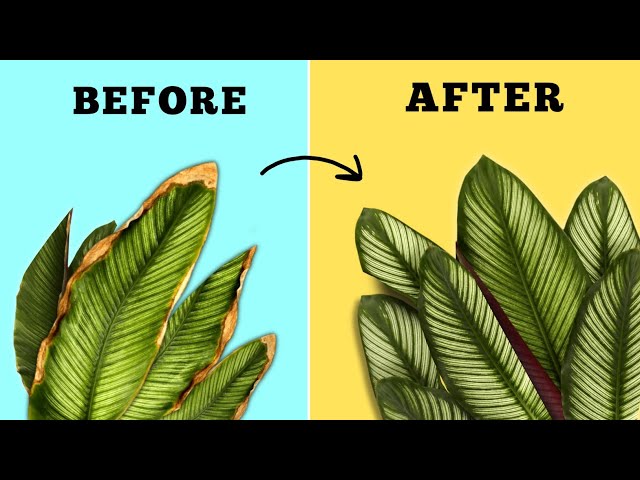
Step-by-Step Guide to Rescuing Your Crispy Plants
Now that you know the primary brown tips on indoor plant leaves causes, it is time to take action. This step-by-step recovery proccess will help you fix the underlying issues and prevent those crunchy edges from returning.
Step 1: Trim Away the Damage (Safely)
Let’s address a common question right away: brown plant tips will never turn green again. Once that tissue is dead, it is dead for good. If the cosmetic look bothers you, you can trim them off.
Grab a pair of sharp scissors and sanitize them with rubbing alcohol to prevent spreading any potential plant diseases. When you trim, cut along the natural shape of the leaf, but leave a tiny sliver of the brown edge behind. If you cut directly into the healthy green tissue, your opening up a fresh wound that can cause the leaf to brown even further.
Step 2: Audit Your Watering Routine
Stop watering your plants on a rigid calendar schedule (like “every Tuesday”). Instead, let the soil tell you when it is ready. Invest in a simple, inexpensive moisture meter or use the finger test. Push your finger two inches deep into the soil. If it feels dry and dusty, it’s time for a deep drink. If it feels wet or muddy, step away from the watering can.
Step 3: Switch Up Your Water Source
If you suspect your tap water is the issue, try switching to distilled water or rainwater for your most sensitive plants. Alternatively, you can fill your watering can with tap water and leave it sitting out on your counter uncovered for 24 hours. This allows the chlorine gases to dissipate out of the water, making it much gentler on your plant’s root system.
Step 4: Boost the Atmospheric Humidity
If your home feels like a desert, you need to bring some moisture back into the air. The single most effective way to do this is by running a small humidifier near your plant collection.
If you don’t want to buy a machine, you can group your plants closely together so they trap the moisture they naturally release through respiration. Another great trick is to create a pebble tray: fill a shallow dish with pebbles, pour water halfway up the stones, and set your plant pot on top. Just make sure the bottom of the pot isn’t touching the actual water, or your risk causing root rot.
Step 5: Flush Out the Excess Fertilizar Salts
If you have been a bit heavy-handed with the plant food, you need to wash out the soil. Take your plant to the sink or shower and gently pour room-temperature water through the pot for several minutes, letting it drain completely out the bottom holes. This mimics a heavy rainstorm and helps wash away accumulated salts and old fertilizer buildup, giving your root system a fresh start.
The Long-Game: Building a Low-Stress Plant Care Routine
At the end of the day, keeping houseplants pristine is all about consistency rather than perfection. Plants are living things, and in nature, leaves get damaged, torn, and discolored all the time. A few brown tips here and there are completely normal signs of life.
By keeping an eye on your home’s humidity levels, adjusting your watering based on the actual soil dryness, and being mindful of water quality, you can easily keep the browning to an absolute minimum. Whenever you are in doubt about a new symptom or a weird spot on your foliage, remember that LeafCare.xyz is always your go-to resource for indoor plant parents looking to build their confidence and master the art of indoor gardening.
We want to hear from you! Have you successfully diagnosed what is causing the crunchy edges on your favorite green companions? Leave a comment down below with your plant questions, bookmark LeafCare.xyz for your future gardening dilemmas, and don’t forget to subscribe to our weekly newsletter to get fresh, actionable plant care tips sent straight to your inbox every single week!
