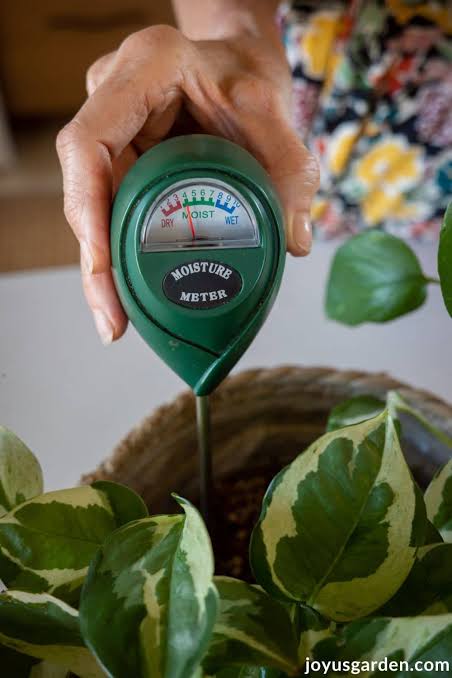
Stop killing your plants with kindness! Discover the best moisture meter for indoor plants to prevent overwatering and keep your green babies thriving.
Finding the Best Moisture Meter for Indoor Plants: Your Ultimate Guide to Stopping Root Rot
Look, I get it, plant care can be frustrating but you don’t have to guess your way through it. We have all been there: you see a slightly drooping leaf, you panic, you grab the watering can, and suddenly your favorite Monsteras roots are turning into mush. Overwatering is the number one killer of indoor plants, especially for millennial and Gen-Z plant parents who love their green babies just a little too much.
The easiest way to stop this tragic proccess from happening is to stop guessing. Relying on the “finger test” (sticking your index finger an inch into the soil) isn’t always reliable, especially for deeper pots. That is where a soil hygrometer comes in. At LeafCare.xyz, we tested the top options on the market to help you find the best moisture meter for indoor plants so you can water with absolute confidence. Here is the real talk on which tools actually work and how to use them without damaging your plants’ roots.
Why Every Modern Plant Parent Needs a Moisture Meter
Many new plant collectors assume that a strict calendar schedule is the secret to a thriving indoor jungle. They water every single Tuesday like clockwork. But plants are living things influenced by changing seasons, humidity levels, indoor temperatures, and potting mixes. A snake plant in a terracotta pot dries out at a completely different rate than a pothos in a plastic planter.
A moisture meter acts like a diagnostic tool for your soil. It measures the electrical conductivity or physical tension of the substrate, giving you an instant readout of how wet or dry the soil is near the root zone. By integrating this simple tool into your routine, you protect your collection from the silent destroyer: root rot.
Top Picks: Comparing the Best Moisture Meter Options
Not all meters are created equal. Some only measure moisture, while others feature multi-functional sensors that also track sunlight levels and soil pH. Below is a breakdown of the top-performing tools we reviewed for our community here at LeafCare.xyz.
| Moisture Meter Model | Core Functions | Best For | Power Source |
| Gougrow 3-in-1 Soil Meter | Moisture, Light, pH | All-Around Beginners | No Battery (Sensing Probe) |
| XLUX Long Probe Soil Meter | Moisture Only | Deep Pots & Large Trees | No Battery (Single Probe) |
| Sustee Aquameter (Size M/L) | Continuous Moisture | Individual Aesthetic Plants | Visual Color Indicator |
| Vivosun Plant Soil Tester | Moisture, Light, pH, Temp | Tech-Savvy Plant Parents | Button Cell Battery |
In-Depth Reviews of the Best Moisture Meters for Indoor Plants
1. Gougrow 3-in-1 Soil Tester (Best Overall)
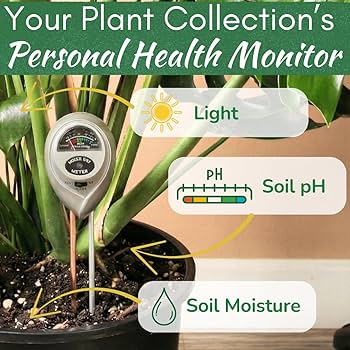
If you want the maximum amount of data for your budget, a classic three-way tester is your best bet. This tool features a dual-probe design that reads soil moisture, ambient light levels at the canopy, and the relative acidity (pH) of your potting mix.
The moisture scale runs from 1 (bone dry) to 10 (completely saturated), clearly color-coded into red, green, and blue zones. For most of your tropicals, you will want to wait until the needle dips into the low end of the green zone before you even think about grabbing the watering can. It requires zero batteries, making it an eco-friendly and reliable staple for your plant shelf.
2. XLUX Long Probe Moisture Meter (Best for Large Plants)
If you own a massive fiddle leaf fig, a floor-standing monstera, or a mature indoor palm, standard short-probe meters won’t reach the actual root ball. That is where the XLUX shines. It features a heavy-duty, single-probe design that is longer than average, allowing you to get deep down into large pots.
Because it uses a single probe instead of two, it causes less soil displacement and minimizes the risk of tearing delicate roots when you slide it into the pot. It focuses strictly on moisture, giving you a highly accurate, lag-free reading on a large, easy-to-read dial.
3. Sustee Aquameter (Best Aesthetic & Leave-In Option)
Let’s face it: traditional analog meters with big plastic faces don’t exactly match the minimalist aesthetic of a curated apartment jungle. If your looking for something discreet that you can leave in the pot permanently, the Sustee Aquameter is a game-changer.
This clever device is a slim stick that sits in your plant’s soil continuously. It uses a replaceable core made of natural cotton that changes color based on moisture levels. When the soil is hydrated, the viewing window is blue. When it turns completely white, it is time to water. It is a foolproof, beautiful solution for high-maintenance plants like Calatheas that demand consistent moisture levels.
How to Use a Moisture Meter Correctly: A Step-by-Step Guide
Buying the best moisture meter for indoor plants is only half the battle; you also need to use it properly. If you use it wrong, you risk getting false dry readings or accidentally breaking your plant’s root structure. Follow this simple process to get accurate results every time.
1.Clean the Probe:Preparation.
Before inserting the meter into a new pot, wipe down the metal probe with a clean, dry microfiber cloth. Any leftover soil residue, mineral buildup, or moisture from a previous plant can distort the electrical reading and cause inaccuracies.
2.Insert Gently into the Soil:Execution.
Hold the meter by the head and gently slide the probe vertically into the soil mix. Aim for a spot about halfway between the plant’s main stem and the edge of the pot rim. Push the probe down until it is roughly two-thirds of the way deep into the pot, as this is where the core root mass resides. Never force the probe if you hit resistance—back out and try a different angle to avoid snapping thick roots.
3.Read the Dial Immediately:Data Collection.
Watch the needle settle on the scale. Do not leave traditional analog meters in the soil for more than a few minutes, as keeping them submerged in damp substrate can corrode the sensitive metal tips. Note the numerical reading or color zone.
4.Wipe and Store:Maintenance.
Pull the meter straight up out of the soil. Wipe the probe clean immediately with a dry towel to prevent rust and oxidation. Store the tool in a dry place out of direct sunlight.
Understanding Your Meter Readings: The Plant Cheat Sheet
A reading of “4” might mean it is time to water a thirsty fern, but that same “4” means your succulents are still way too wet. Every species has unique hydration preferences. Here is a quick cheat sheet to cross-reference with your new tool:
- The Red Zone (1-3 / Dry): This is the sweet spot for desert plants. Let your snake plants, ZZ plants, cacti, and hoyas drop into this zone completely before watering them again.
- The Green Zone (4-7 / Moist): The vast majority of indoor tropicals thrive here. Target the lower end of the green zone (around 4) for Monsteras, Pothos, and Philodendrons. Target the middle to higher end (6-7) for moisture-loving plants like Calatheas, ferns, and peace lilies.
- The Blue Zone (8-10 / Wet): No common indoor houseplant wants to sit in the blue zone for long. If your meter stays in the blue zone for days after watering, your soil mix lacks proper drainage or your pot doesn’t have drainage holes.
Troubleshooting Common Moisture Meter Mistakes
Even with the best moisture meter for indoor plants, you might run into a few weird readings. If your meter says a pot is bone dry but the soil feels damp to your hand, check your potting mix composition. Chunky mixes containing lots of orchid bark, perlite, and pumice have large air pockets. If the metal probe is touching an air pocket instead of solid soil, it won’t conduct electricity properly, leading to a false dry reading. In chunky mixes, take 2 or 3 readings in different spots around the pot to get an accurate average.
Another thing to look out for is mineral buildup from tap water or over-application of fertilisar. High salt content in the soil increases electrical conductivity, which can trick your analog meter into thinking the soil is soaking wet when it might actually be drying out. If you notice crusty white deposits on your soil surface, flush your soil with distilled water to reset the system.
No matter what issues you face with your indoor green space, LeafCare.xyz is always here to provide reliable, stress-free solutions for the modern plant community.
What plants are you currently trying to keep happy? Do you have a picky pilea or a dramatic peace lily that refuses to behave? Drop a comment below with your specific plant questions, or share your experiences using a soil tester! Don’t forget to bookmark LeafCare.xyz and subscribe to our weekly newsletter for fresh, actionable indoor gardening guides delivered straight to your inbox. Let’s grow together!
