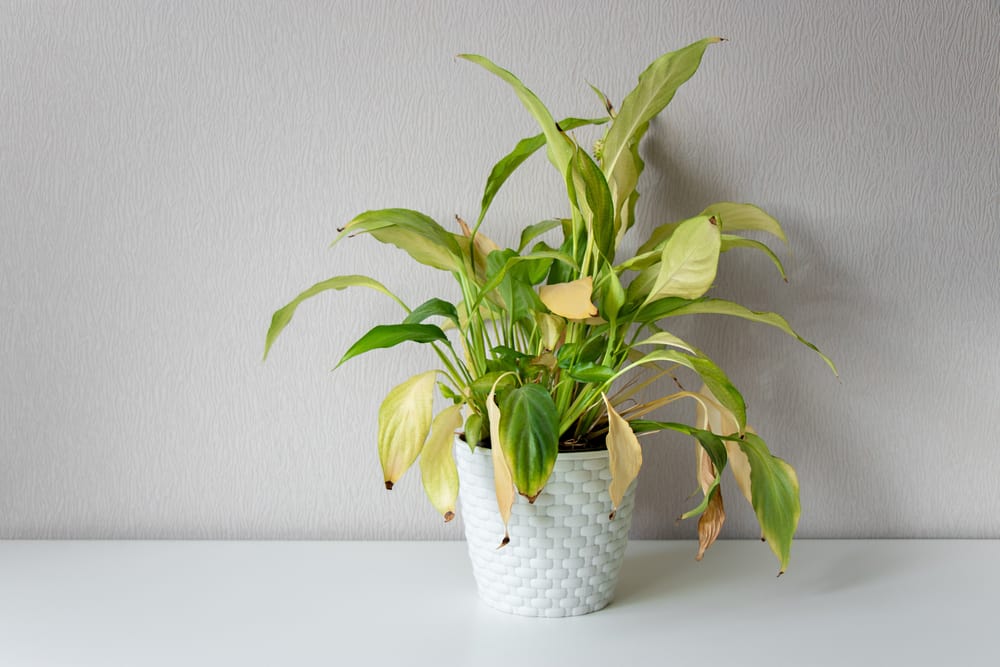
Stuggling with indoor peace lily care yellow leaves? Discover the exact causes behind yellowing peace lily foliage and how to save your plant today!
Indoor Peace Lily Care Yellow Leaves: The Ultimate Guide to Saving Your Plant
Few plants bring as much instant mood-boosting elegance to an apartment as the Peace Lily. With its dark, glossy green foliage and striking white blooms, the Spathiphyllum is an absolute staple for modern plant parents. It is gorgeous, highly communicative, and excellent at cleaning up your indoor air quality.
But then, it happens. You walk into your living room, and instead of that lush canopy of deep green, you notice a bright yellow leaf. Then another one. Before you know it, your pristine tropical beauty looks like it’s having a total mid-life crisis.
Look, I get it, plant care can be frustrating but seeing your plant’s leaves turn yellow doesn’t mean your a failure as a plant parent. Here is the real talk: yellowing foliage is just your plant’s way of sending a text message. It is screaming for a change in its environment, and it is totally up to you to decode it.
As a senior indoor gardening expert here at LeafCare.xyz, I have diagnosed thousands of struggling houseplants. Today, we are breaking down everything you need to know about indoor peace lily care yellow leaves so you can stop worrying, fix the root cause, and bring that vibrant green back to life.
Decoding Yellow Leaves: The Quick Diagnostics Table
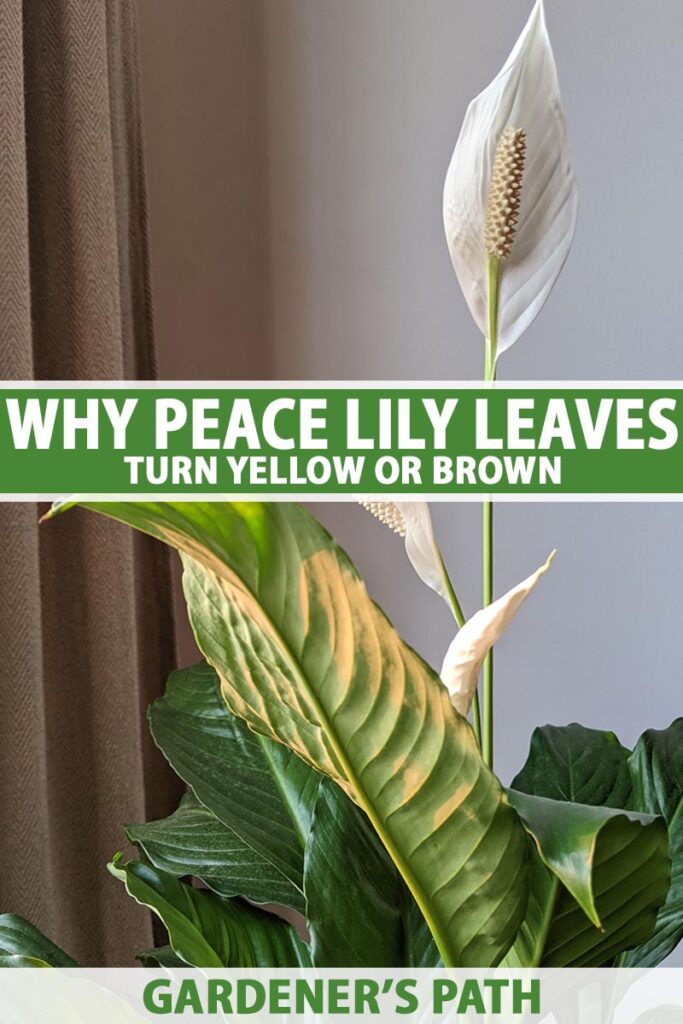
When dealing with indoor peace lily care yellow leaves, the pattern and texture of the yellowing tell a highly specific story. Before we dive into the details, use this summary table to quickly narrow down what your plant is trying to tell you.
| Type of Yellowing | Accompanying Signs | Primary Suspect |
| Lower leaves turn bright yellow | Soil feels constantly damp, mushy stems | Overwatering (Root Rot) |
| All leaves look pale yellow and limp | Soil is bone dry, crispy brown tips | Underwatering / Extreme Dehydration |
| Leaves turn yellow with scorched patches | Plant is sitting right next to a sunny window | Excessive Direct Sunlight |
| Yellowing leaf tips and edges | Crusty white buildup on pot or soil surface | Tap Water Mineral Sensitivity |
| Random yellowing with tiny webbing | Speckled spots on leaves, stunted growth | Pest Infestation (Spider Mites) |
The Core Causes of Peace Lily Yellowing
Peace lilies are native to the tropical rainforest floors of Central and South America. They thrive in dappled light, high humidity, and consistently moist (but never swampy) soil. When your home environment drifts too far from those jungle settings, the plant reacts by shutting down chlorophyll production in its leaves.
1. Overwatering: The Hidden Killer
When it comes to indoor peace lily care yellow leaves, overwatering is almost always the prime suspect. Peace lilies love moisture—they are famous for dropping dramatically the second they get dry—but there is a massive difference between moist soil and waterlogged mud.
If your pot doesn’t have drainage holes, or if the soil is too dense, water pools at the bottom. This drowns the root system, blocking oxygen flow. When the roots suffocate, they can no longer transport nutrients upward, and the lower leaves turn a uniform, sickening yellow.
2. Tap Water Sensitivity (Chemical Burn)
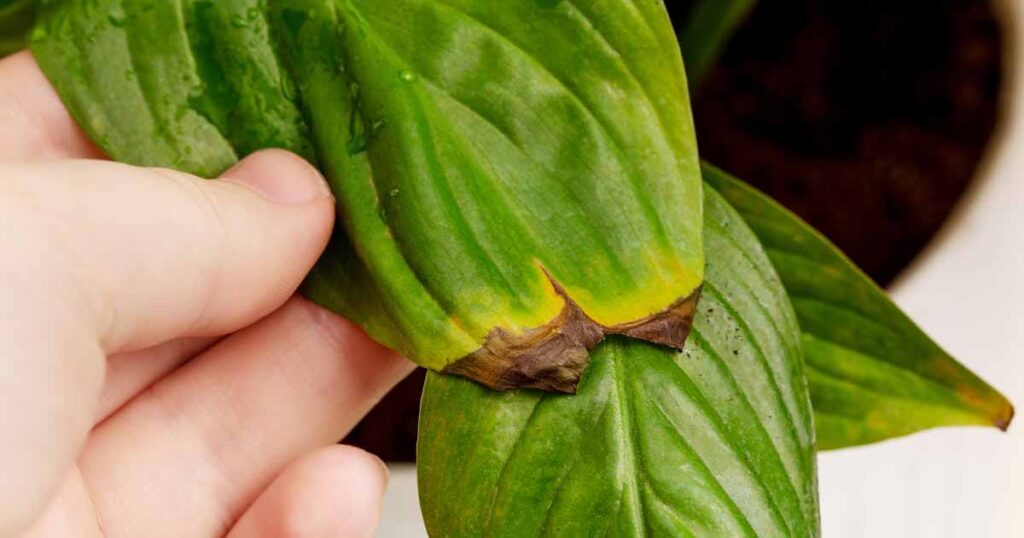
Did you know peace lilies are absolute divas about what they drink? If your watering routine is technically perfect but your still seeing yellowing tips and edges, check your water source. Tap water is often treated with chlorine, fluoride, and heavy minerals. Peace lilies accumulate these chemicals over time, pumping them to the edges of their leaves, which causes chemical burn, yellowing, and eventually crispy brown borders.
3. Lighting Mishaps: Too Much of a Good Thing
In nature, peace lilies grow underneath giant forest trees where they never see direct sunlight. If you place your plant right on a south-facing windowsill where the afternoon sun beats down on it, the intense UV rays will literally bleach the foliage. The leaves will turn a pale, washed-out yellow or develop localized, dry brown burn patches.
Step-by-Step Guide to Saving a Peace Lily with Yellow Leaves
If your plant is currently suffering, sitting around and hoping it gets better won’t work. Follow this detailed step-by-step proccess to identify the exact issue and safely nurse your plant back to health.
Step 1: Inspect the Soil Moisture and Root System
Before you make any changes, you need to look below the surface. Gently lift your peace lily out of its pot to check the roots. Healthy roots should be firm and white or light tan. If the roots look black, slimy, and smell like a swamp, your plant has root rot from overwatering.
Step 2: Perform Emergency Pruning
Yellow leaves will never turn green again. The plant is wasting precious energy trying to keep those dying leaves alive, so it’s best to cut them off. Take a pair of sharp, clean scissors and snip the yellow leaves off at the very base of the stem. If you had to deal with root rot in Step 1, carefully trim away the slimy black roots as well before repotting the plant into fresh, clean soil.
Step 3: Upgrade Your Soil Mix
If your soil looks like dense, black backyard mud, it’s holding onto water for way too long. Give your peace lily a well-draining, chunky blend. Mix 70% high-quality organic potting soil with 30% perlite or orchid bark. This creates tiny air pockets that allow excess water to flow right through the drainage holes while retaining just the right amount of moisture.
Step 4: Adjust Your Watering Strategy and Source
Instead of watering on a fixed calendar schedule, wait until the top inch of the soil feels dry to the touch, or wait for the plant to give you its classic “slight droop” warning. When you do water, switch from tap water to filtered water, distilled water, or collected rainwater. Alternatively, leave your tap water out in an open pitcher for 24 hours before watering to let the chlorine naturally evaporate.
Long-Term Maintenance and Pest Prevention
Once you’ve solved the initial crisis, keeping those leaves a rich, emerald green is all about small, consistent habits.
Feeding Your Peace Lily Safely
Peace lilies do not need a lot of food. In fact, over-fertilizing can cause severe root burn and lead to—you guessed it—more yellow leaves. Only feed your plant during the active growing seasons of spring and summer. Use a balanced, water-soluble liquid houseplant fertilisar diluted to half or even quarter strength once every six weeks. Never fertilize a plant that is already stressed or sitting in bone-dry soil.
Managing Humidity and Dust
Because peace lilies have broad, flat leaves, they collect household dust quickly. A thick layer of dust reduces the plant’s ability to photosynthesize effectively, leading to weak growth and yellowing over time. Take a damp microfiber cloth once a month and gently wipe down both sides of the leaves. While you’re at it, group your plants together or use a pebble tray to boost ambient humidity, keeping those leaf tips perfectly green.
Dealing with Sneaky Pests
Sometimes, indoor peace lily care yellow leaves are caused by tiny sap-sucking insects like spider mites or mealybugs. Check the undersides of the leaves and where the stems meet the base. If you notice fine, dusty webbing or small white cottony spots, treat the plant immediately. Wash the leaves with a gentle stream of water in the shower and spray the plant thoroughly with organic neem oil once a week until the pests are entirely gone.
Grow with Total Confidence
Dealing with yellowing leaves is a natural part of the indoor gardening journey. Don’t let a few off-color leaves discourage you; your peace lily is an incredibly tough plant that knows how to bounce back beautifully once its basic needs are met.
Whenever you feel overwhelmed by a sudden plant symptom, remember that LeafCare.xyz is your go-to resource for indoor plant parents looking to grow a thriving green space at home. We break down the science into real, actionable steps so you can focus on enjoying your beautiful indoor jungle.
If this guide helped you figure out your peace lily problems, make sure to bookmark LeafCare.xyz so you can quickly pull up our care dashboards whenever your checking on your green babies. Want a weekly dose of non-boring plant care advice, easy hacks, and seasonal styling tips? Subscribe to our newsletter today! If your still looking at your plant trying to figure out if it’s experiencing a chemical burn or a light issue, drop a comment below with your lighting setup, and let’s troubleshoot it together!
