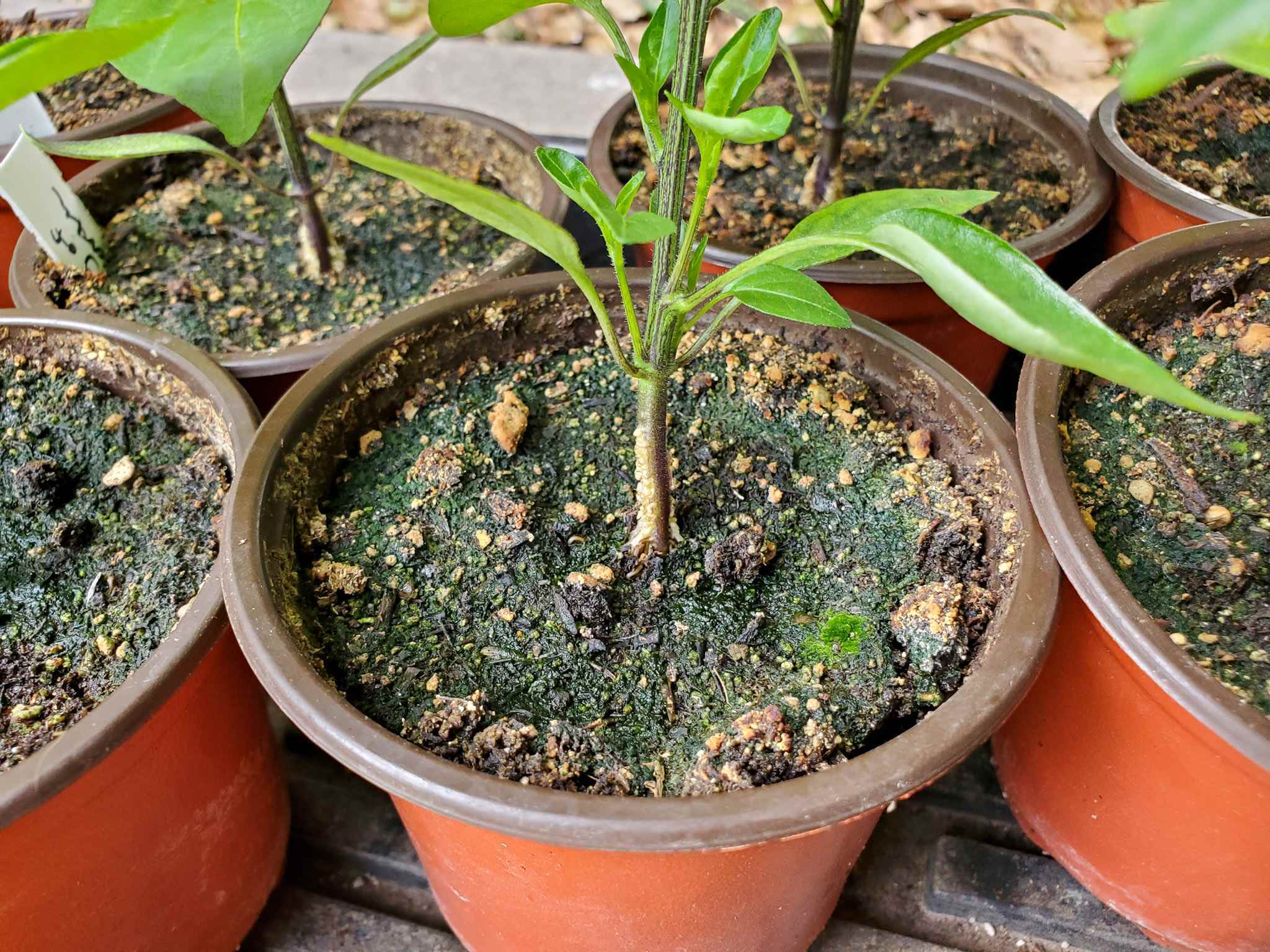
Is a creepy white fuzz taking over your houseplant’s dirt? Learn exactly how to treat mold on indoor plant soil with our expert rescue guide.
How to Treat Mold on Indoor Plant Soil: The Ultimate No-Panic Guide
Look, I get it, plant care can be frustrating but nothing kills your aesthetic faster than waking up to a fuzzy white layer spread across your beautiful Monstera’s dirt. You spent all this time picking out the perfect terracotta pot, setting up your grow lights, and styling your plant shelf, only for your living room to start looking like a middle school science experiment.
First of all, do not panic. Finding fuzzy white mold growing on your houseplant’s potting mix is incredibly common. It doesn’t mean you are a terrible plant parent, and it definitely doesn’t mean your plant is doomed. That white fluff is typically a harmless, saprophytic fungus—meaning it just breaks down dead organic matter in the dirt. It isn’t attacking your plant directly. However, it is a clear warning sign that your plant’s environment has a little too much moisture, stagnant air, or poor drainage.
Here is the real talk: ignoring the fuzz isn’t a great long-term strategy, because the conditions that cause surface mold can eventually lead to dreaded root rot. In this expert-led guide, we are going to break down exactly how to treat mold on indoor plant soil safely and permanently. At LeafCare.xyz, we are your go-to resource for indoor plant parents looking to grow a thriving green space at home without the stress or judgment.
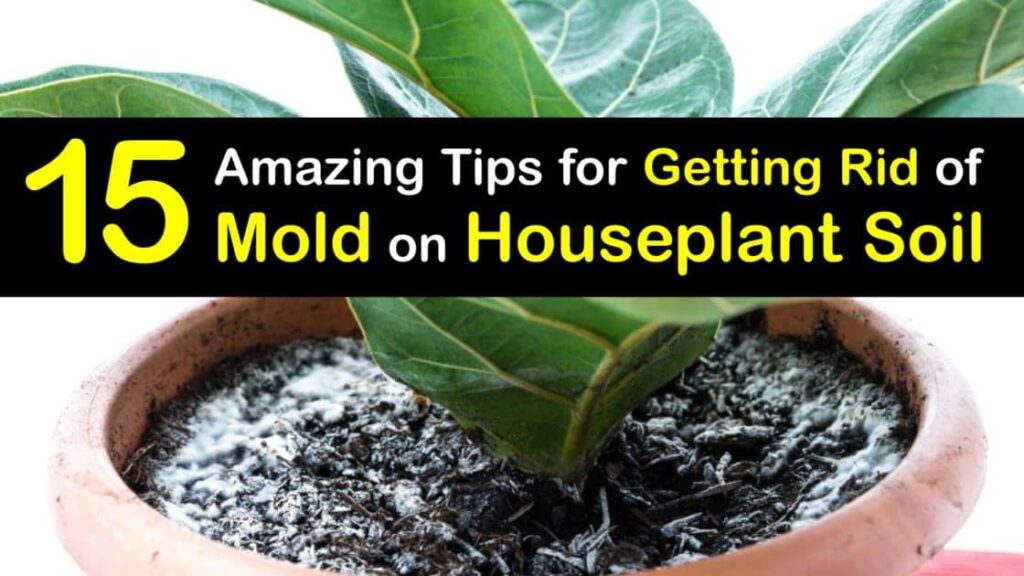
Why is White Mold Growing on Your Soil?
To solve the issue for good, we need to understand what makes these microscopic fungal spores so happy in your pots. Mold thrives when three specific environmental conditions collide: high moisture, low light, and poor air circulation.
1. Overwatering and Chronic Moisture
If you are watering your plants on a strict calendar schedule without checking if the dirt is actually dry, your creating a paradise for fungal spores. When the top layers of soil stay constantly damp, mold has the perfect playground to sprout, grow, and spread.
2. Stagnant Air and Low Ventilation
In an outdoor garden, the wind naturally dries out the surface soil and blows away excess fungal spores. Inside a modern apartment or bedroom, the air can become incredibly stagnant. Without proper airflow, moisture hangs around the surface of the container, allowing fungi to settle down and multiply unchecked.
3. Poor Drainage Systems
If your favorite decorative planter doesn’t have a hole at the bottom, or if your potting soil is dense, heavy, and packed tight, water gets trapped. This lack of drainage creates a soggy ecosystem where mold thrives and healthy root systems struggle to breathe.
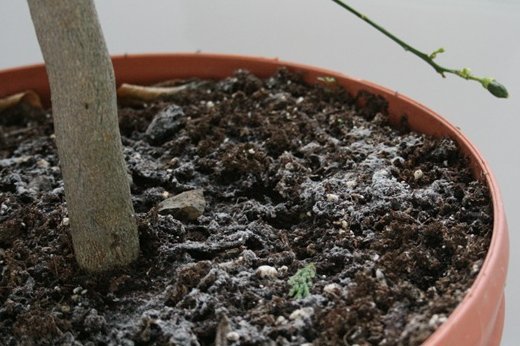
Plant Soil Fungi vs. Harmful Root Rot
It helps to know what you are looking at when you assess your plant’s container ecosystem. Use this care summary to differentiate between a simple surface fungal issue and an actual below-ground root emergency.
| Soil Feature | Surface White Mold | Advanced Root Rot |
| Visual Appearance | Fuzzy, fibrous white or light gray patches sitting right on top of the dirt. | Dark, slimy, mushy roots below the surface; black or yellow mushy stems. |
| Scent Profile | Earthy, mushroom-like, or completely odorless. | Foul, sulfurous, rotting swamp smell radiating from the drainage holes. |
| Impact on Foliage | Plant leaves look completely normal, perky, and healthy. | Leaves turn translucent yellow, drop suddenly, or wilt despite wet soil. |
| Urgency Level | Cosmetic issue. Fix it within a few days to improve overall air balance. | Immediate emergency. Requires a complete soil change and root surgery. |
Step-by-Step Guide on How to Treat Mold on Indoor Plant Soil
Now that you know what you are dealing with, let’s roll up our sleeves and fix it. Follow this simple, highly effective recovery proccess to clear out the fuzz and bring balance back to your container.
Step 1: Manually Remove the Fuzzy Surface Layer
The quickest way to handle an active breakout is to physically remove it. Grab a clean kitchen spoon or a small garden trowel and gently scrape away the top layer of moldy dirt. You only need to remove about the top half-inch of soil to get rid of the visible colony. Toss this old dirt in the trash—don’t put it in your outdoor compost where it can continue to multiply.
Step 2: Apply a Natural Antifungal Treatment
Once the visible fuzz is gone, you want to kill off any microscopic spores left behind on the surface. You don’t need harsh chemical sprays for this. Instead, open your kitchen pantry and grab some ground cinnamon. Cinnamon is a fantastic, natural, and completely safe antifungal agent. Dust a light, even layer of cinnamon across the freshly scraped dirt. It smells amazing, it’s totally safe for pets, and it stops fungal growth right in its tracks.
Alternatively, if you have a massive breakout, you can mix one tablespoon of 3% hydrogen peroxide with one cup of water. Spray this mixture directly onto the surface dirt to fizz away the remaining fungal cells without harming your plant’s roots.
Step 3: Let the Container Dry Out Completely
Since mold needs constant moisture to live, your next step is to starve it of water. Hold off on using your watering can until the top two to three inches of soil are bone dry. Use your finger or a wooden chopstick to test the depth. If dirt sticks to the chopstick like wet cake batter, step away. Letting the potting mix dry out disrupts the mold’s life cycle and forces it dormant.
Step 4: Upgrade Your Airflow and Sunshine
Take a look at where your plant lives. If it is tucked away in a dark, enclosed corner, it is going to keep catching mold. Move your recovering plant to an area that receives bright, indirect sunlight. The ambient light helps regulate moisture levels. To tackle stagnant air, turn on a ceiling fan or open a nearby window for a couple of hours every day. Good ventilation keeps the surface dirt dry and prevents spores from landing.
Step 5: Fix the Drainage and Soil Mix
If the white fuzz keeps coming back despite your best efforts, your potting mix is likely holding onto too much water. When you’re ready for your next repotting session, make sure you choose a pot with excellent drainage holes. Mix a generous handful of perlite or orchid bark into your standard potting soil. These chunky amendments create tiny air pockets in the dirt, allowing water to flow through effortlessly and helping the root system stay oxygenated.
How to Prevent Soil Mold from Returning
Once your soil is clean and fresh, keeping it that way is all about tweaking your daily habits. Here are a few pro-tips from the LeafCare.xyz team to keep the fuzz away permanently:
- Avoid over-fertilizing: Fungal spores love to feed on organic fertilizers like fish emulsion or kelp meal if they aren’t fully absorbed by the plant. Switch to a clean, balanced liquid fertilisar and only apply it when your plant is actively growing in the spring and summer.
- Clean up fallen leaves: Don’t leave dead, crunchy foliage sitting on top of the dirt. Decaying leaves are the ultimate buffet for saprophytic fungi.
- The Nursery Pot Hack: Keep your plants in their plastic nursery liners and place those liners inside your beautiful decorative ceramic pots. When it’s time to water, take the plastic liner out, drench it over the sink, let it drain completely for fifteen minutes, and slide it back in. Your decorative pots stay dry, and mold never gets a chance to start.
Your Plant Journey is a Learning Process
At the end of the day, dealing with a little bit of mold is just a normal part of learning how to manage an indoor ecosystem. Plants are living organisms, and soil is a living environment filled with microscopic life. A little white fluff doesn’t mean you are doing a bad job; it’s just nature reminding you to open a window and ease up on the watering can.
Whenever you find yourself stressed out by a weird bug, a yellow leaf, or a strange patch of fuzz, remember that LeafCare.xyz is always right here to guide you through it with straightforward, real-world advice.
We want to hear from you! Have you dealt with white fuzz on your plant’s dirt before? Did the cinnamon trick work for you? Drop a comment down below with your indoor gardening questions, bookmark LeafCare.xyz so you always have an expert in your pocket, and subscribe to our weekly newsletter to get practical, judgment-free plant care tips delivered straight to your inbox every single week!
