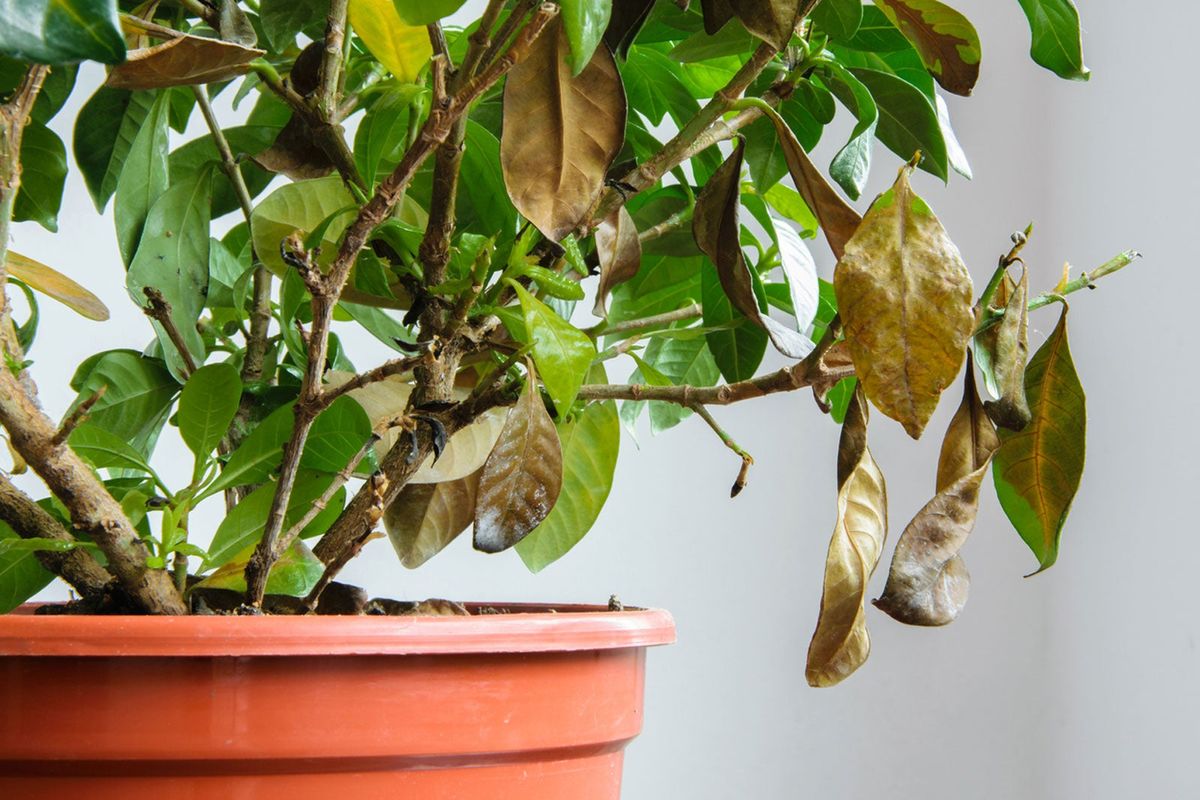
Is your favorite houseplant shedding leaves like crazy? Learn why is my indoor plant dropping leaves suddenly and how to save it fast.
Why Is My Indoor Plant Dropping Leaves Suddenly? The Judgment-Free Rescue Guide
Look, I get it, plant care can be frustrating but waking up to find a pile of green leaves scattered all over your floor is next-level stressful. You walk into the room with your morning coffee, look at your once-bushing Ficus or Pothos, and realize it looks like autumn arrived early inside your apartment.
First off, take a deep breath and step away from the trash can. Seeing your plant cast off its foliage can feel like a total failure, but it is actually a highly logical evolutionary response. When a plant experiences a sudden change or a shock to its system, its immediate defense mechanism is to shed weight. It drops leaves to conserve its precious energy and protect its core root system.
Here is the real talk: your plant isn’t necessarily dead; it’s just throwing a massive tantrum. To make it stop, you have to decode the environmental trigger that set it off. In this expert guide, we are going to dive deep into exactly why is my indoor plant dropping leaves suddenly and give you an actionable blueprint to stabilize your green companion. At LeafCare.xyz, we are your go-to resource for indoor plant parents looking to grow a thriving green space at home, minus the panic.
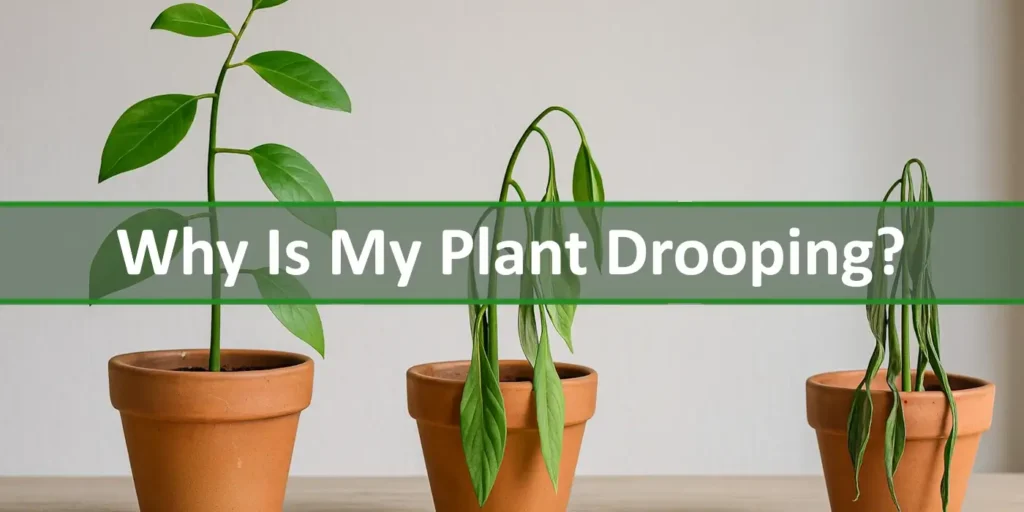
The Shock Triggers: Understanding Sudden Leaf Drop
When a plant loses a leaf or two over a month, that is just natural aging. But when it drops ten leaves overnight, you are dealing with a clear environmental stressor. Let’s break down the primary culprits behind this dramatic behavior.
1. The Shock of a New Environment (Acclimation)
Did you just bring this plant home from the local nursery a week ago? Or maybe you moved your favorite indoor tree from a dark bedroom corner to a bright living room window?
Plants love predictability. When you completely change their surrounding light, temperature, and humidity levels, they panic. The greenhouse where your plant was grown had perfect, pristine conditions. Your living room does not. This sudden shift causes a hormonal response that triggers leaf drop as the plant tries to balance its moisture loss with its root capacity.
2. Radical Temperature Fluctuations and Drafts
Most houseplants are tropical natives, which means they thrive in stable warmth. They absolutely detest sudden cold snaps or hot blasts of air.
If your plant is sitting directly in front of an air conditioning vent, near a drafty winter window, or right next to a heating radiator, it is going to react poorly. The sudden thermal shock disrupts the internal fluid movement of the plant, causing the stems to weaken at the leaf joints and drop foliage in a desperate bid to survive.
3. Severe Overwatering or Underwatering Extreme
Watering issues are the foundation of almost all plant problems. If you have let your plant dry out to the point where the soil is as hard as a brick, the roots will shrivel. No water means no support for the leaves, and down they go.
Conversely, if your plant is sitting in stagnant water because its pot lacks drainage, the roots are literally drowning. When roots drown, they rot and can no longer absorb oxygen or nutrients. Because the top of the plant is no longer receiving life support from the damaged roots below, it starts shedding leaves rapidly from the bottom up.
4. Hidden Pest Infestations
Sometimes, the problem isn’t the environment; it’s uninvited guests. Sapp-sucking pests like spider mites, mealybugs, thrips, and scale love to hide on the undersides of leaves and along the tender stems. They pierce the plant tissue and drain its vital fluids. As the individual leaves lose their nutrient supply, they weaken, yellow, and detach from the main plant body with the slightest touch.
Sudden Leaf Drop Diagnostic Matrix
Before you try to fix the issue, you need to align your plant’s specific symptoms with the correct environmental trigger. Use this care summary to identify what is going on.
| What the Shed Leaves Look Like | Soil Moisture State | Location & Context | The Root Cause |
| Perfectly green, healthy-looking leaves | Completely normal, damp | Plant was moved or bought within the last 14 days | Environmental Acclimation Shock |
| Yellow, mushy, translucent leaves | Saturated, muddy, bad odor | Sitting in a decorative pot without drainage holes | Severe Overwatering / Root Rot |
| Crispy, dry, curled leaves | Bone dry, pulling away from pot walls | Near a heater or forgotten for weeks | Severe Underwatering |
| Pale, dropping leaves with fine webbing | Normal or dry | Tucked in a corner with low air circulation | Severe Pest Infestation (Spider Mites) |
| Randomly dropping leaves from one side only | Normal moisture levels | Directly in the path of an AC vent or drafty door | Temperature / Draft Shock |
Step-by-Step Guide to Stop Your Plant From Dropping Leaves
Now that you have run through the checklist of reasons why is my indoor plant dropping leaves suddenly, it is time to intervene. Follow this careful recovery proccess to stabilize your plant and encourage new growth.
Step 1: Establish an Absolute Stability Zone
The number one mistake plant parents make when a plant drops leaves is moving it around the house every day trying to find a spot where it looks happy. Stop doing this! Moving a stressed plant repeatedly adds shock on top of shock. Pick a single location that offers bright, indirect light (about 3 to 5 feet away from an east or west-facing window) and completely free from any heating or cooling drafts. Put it there, leave it there, and let it adjust.
Step 2: Perform a Root Integrity Check
If the leaf drop is accompanied by yellowing and soggy stems, you need to check the health of the root system immediately. Gently ease the plant out of its container. Healthy roots should look firm and creamy white. If they are black, slimy, and smell like a swamp, you are dealing with advanced root rot. Use sterilized scissors to cut away the dead matter, discard the old contaminated soil, and repot the survivor into fresh, light, well-draining potting soil mix with plenty of perlite.
Step 3: Implement Proper Bottom-Watering
If your plant is dropping leaves because it has been neglected and the soil is bone dry, a quick pour from a watering can won’t cut it. The water will just run straight through the cracks of the compacted dirt. Instead, fill your sink with a few inches of lukewarm water and place the pot inside. Let it sit for 30-45 minutes to draw moisture up through the bottom holes. Once the surface soil feels damp, remove it and let all excess water drain away completely before putting it back in its spot.
Step 4: Run a Thorough Pest Inspection
Get up close and personal with your plant. Inspect the junctions where the leaves meet the stems and look underneath the remaining foliage. If you see tiny cottony white spots (mealybugs) or microscopic webs (spider mites), take the plant to your shower and wash the foliage down with room-temperature water to physically knock the bugs off. Follow up by spraying the entire plant thoroughly with organic neem oil or an insecticidal soap once a week until the pests are completely gone.
Step 5: Stop the Food and Hold the Fertilisar
When your trying to nurse a sick plant back to life, your natural instinct might be to feed it a heavy dose of nutrients to help it grow. Do not do this. Deployed on a stressed, shedding plant, chemical fertilizer will burn the remaining healthy roots and accelerate the leaf loss. Avoid all fertilizer until the dropping has stopped entirely and you see active, bright green new leaf buds forming on the stems.
The Golden Rule of Plant Recovery: Patience
We live in a world of instant gratification, but plants operate on a completely different timeline. Once a plant has experienced enough trauma to drop its leaves, it can take anywhere from three to six weeks to fully stabilize and feel secure enough to push out new growth.
During this quiet recovery phase, your main job is to provide consistent, predictable care. Check the soil moisture with your finger before adding water, ensure the room temperature stays stable, and give it plenty of bright ambient light.
Accept that your plant might look a little bare and leggy for a couple of months. As long as the main stems remain firm and green when you gently scratch the outer bark with your fingernail, the plant is still alive and working hard behind the scenes to rebuild its internal systems.
Whenever you find yourself doubting your plant parenting skills or facing a confusing new leaf color, remember that LeafCare.xyz is always right here as your trusted guide for simple, judgment-free, and real-world plant advice. We have all been through the dreaded leaf drop phase, and we know exactly how to guide you through it.
We want to hear your plant rescue stories! Did you figure out what was causing your favorite green companion to drop its leaves? Drop a comment down below to share your experience or ask our community your trickiest plant questions. Don’t forget to bookmark LeafCare.xyz for quick access next time a plant throws a tantrum, and subscribe to our weekly newsletter to get fresh, practical plant tips sent directly to your inbox every single week!
