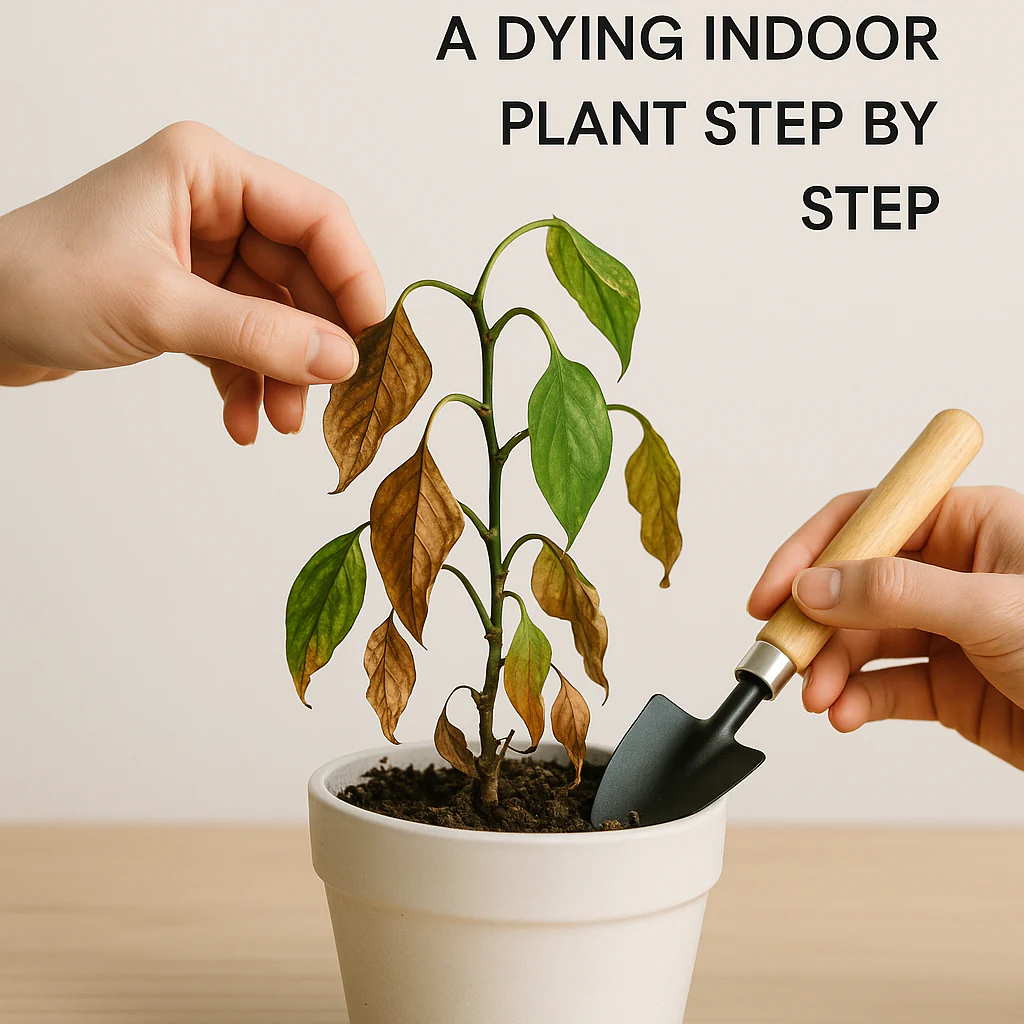
Is your favorite houseplant looking sad? Don’t panic. Learn exactly how to revive a dying indoor plant with our expert, step-by-step rescue guide.
How to Revive a Dying Indoor Plant: The Ultimate Judgment-Free Rescue Guide
Look, I get it. Plant care can be frustrating, but seeing your favorite green companion drop its leaves, turn brown, or turn into a droopy mess is a specialized kind of heartbreak. You bought that beautiful Monstera or delicate Fittonia with the best intentions, and now it looks like it’s ready for the great compost heap in the sky.
First, take a deep breath. Before you toss it out in frustration, realize that most houseplants are incredibly resilient. They want to live; they just need you to translate what they are trying to tell you. Think of this guide as your plant-parent manual for emergency triage. At LeafCare.xyz, we believe there is no such thing as a “black thumb”—just a plant parent who hasn’t learned the secret language of leaves yet.
Let’s dive into the real talk about exactly how to revive a dying indoor plant and turn your space back into a thriving urban jungle.
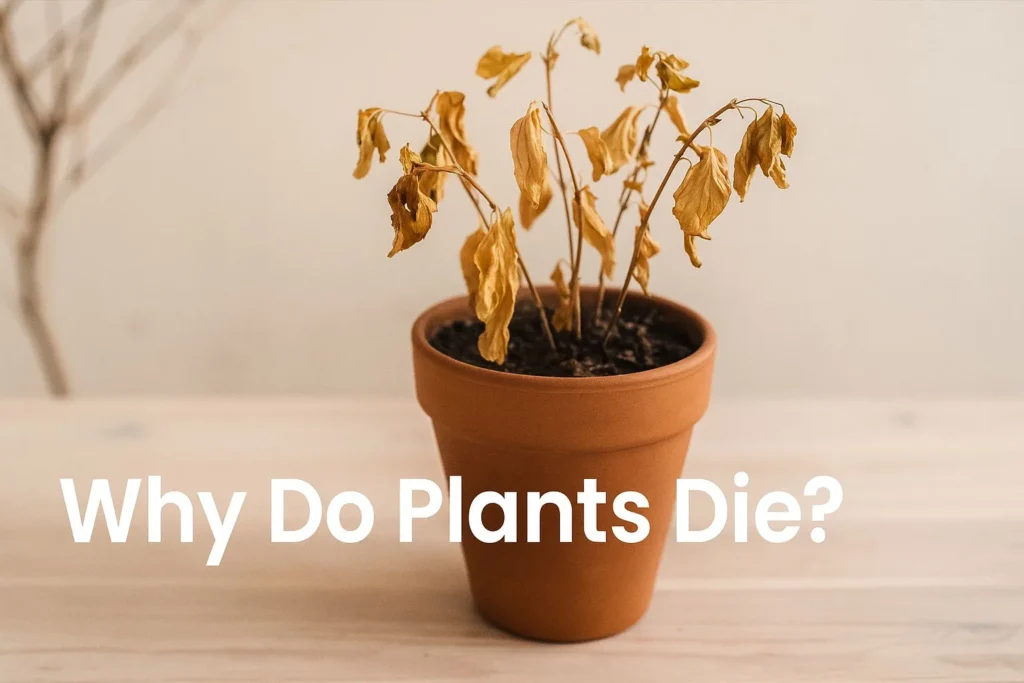
Step 1: Diagnose the Symptom Before You Treat the Plant
You wouldn’t take medicine without knowing why you are sick, and your plant shouldn’t either. The biggest mistake most plant parents make is assuming a sad plant just needs water. If the plant is dying from root rot due to overwatering, adding more water is the ultimate death sentence.
To figure out how to revive a dying indoor plant, you have to become a plant detective. Inspect the leaves, feel the soil deep down, and look closely at the stems.
Decoding Your Plant’s Cry for Help
- Drooping Leaves + Dry Soil: This is the easiest fix. Your plant is simply thirsty.
- Drooping Leaves + Wet Soil: This is a major red flag. It usually points to overwatering and potential root rot.
- Yellowing Leaves: If it’s just the lower leaves, it might be natural aging. If it’s widespread, it’s often a sign of overwatering, a lack of nutrients, or poor lighting.
- Crispy, Brown Edges: This usually indicates low humidity, underwatering, or chemical burn from tap water.
- Webbing or Sticky Residue: You’ve got pests, my friend. Spider mites, mealybugs, or thrips have moved in.
The Houseplant Emergency Triage Matrix
Before we go into the deep details, use this quick reference table to match your plant’s symptoms to the most likely cause and immediate action plan.
| Leaf Symptom | Soil Condition | The Likely Culprit | Immediate Action Step |
| Yellowing, mushy stems | Soggy, wet, bad odor | Overwatering / Root Rot | Stop watering, check roots, repot in fresh soil |
| Crispy, curled, dropping | Bone dry, pulling from pot sides | Severe Underwatering | Bottom-water the plant thoroughly |
| Pale, washed out, leggy growth | Dry or normal | Lack of Sunlight | Move closer to a window or add a grow light |
| Bleached, scorched patches | Dry or normal | Sunburn (Too much direct light) | Move back from the window or use a sheer curtain |
| Stunted growth, yellowing veins | Normal moisture | Nutrient Deficiency | Apply a diluted, balanced liquid fertilisar |
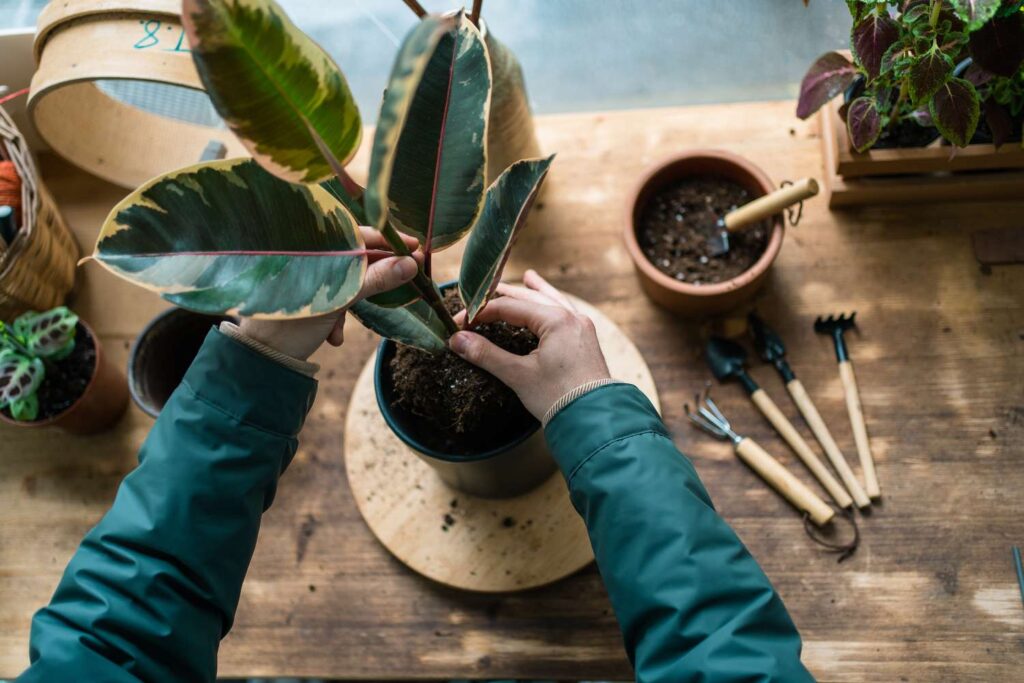
Step-by-Step Guide on How to Revive a Dying Indoor Plant
Now that you have diagnosed the issue, it’s time to take action. Follow this systematic recovery proccess to give your plant the absolute best chance at survival.
1. Perform Emergency Surgery (Pruning)
When a plant is struggling, it wastes precious energy trying to keep dying leaves alive. You need to redirect that energy to the healthy parts of the plant. Take a pair of sharp, clean scissors or pruning shears and snip away any completely yellow, brown, or mushy leaves. Always cut at a 45-degree angle just above a leaf node.
2. Inspect and Fix the Soil Situation
The soil is your plant’s life support system. If you suspect overwatering, gently slide the plant out of its pot. Healthy roots should be firm and white or light tan. If you see black, slimy, smelly roots, you are dealing with root rot. Clip away the rotten roots, wash the remaining healthy roots gently, and repot the plant in a clean pot with fresh, well-draining potting mix. If the soil is completely dried out and compacted, poke a few holes in it with a chopstick to loosen it up so water can actually reach the root ball.
3. Master the Art of Rehydration
If your plant is dying of thirst, don’t just pour a cup of water on top and walk away. Compacted, dry soil acts like a dry sponge—the water just runs down the sides and out the bottom without soaking in. Instead, use the bottom-watering method. Fill a sink or basin with a few inches of lukewarm water, set the plant pot inside, and let it drink from the bottom for about 30 to 45 minutes. Once the top of the soil feels damp, take it out and let the excess water drain completely.
4. Adjust the Environment (Light and Humidity)
Most indoor plants originate from tropical rainforests, meaning they love bright, indirect light and high humidity. If your plant is suffering, move it to a location that gets plenty of ambient light but no harsh, direct sun rays that can scorch the recovering foliage. If your home is dry, place a small humidifier near your plant or set the pot on a tray filled with pebbles and water to boost the local humidity.
5. Hold Off on the Food
When a plant is sick, your instinct might be to feed it a heavy dose of nutrients to cheer it up. Don’t do it! Applying fertilizer to a stressed, damaged, or dehydrated root system can burn the roots and kill the plant entirely. Wait until you see signs of new, healthy growth before you start a regular feeding schedule again.
Understanding the Hidden Killer: Poor Drainage
If there is one thing we hammer home constantly here at LeafCare.xyz, it’s this: drainage is non-negotiable.
You can buy the most expensive planters in the world, but if they don’t have a hole at the bottom, your plant is living on borrowed time. Without drainage, water pools at the bottom of the pot, suffocating the roots and creating the perfect breeding ground for destructive fungi.
If your favorite pot doesn’t have a drainage hole, use the “nursery pot hack.” Keep your plant inside its plastic nursery pot (which has plenty of holes) and simply slide that plastic pot inside your beautiful decorative planter. When it’s time to water, take the plastic pot out, water it thoroughly over the sink, let it drain, and put it back. Your plant stays healthy, and your home decor stays on point.
Common Myths About Reviving Sick Plants
Let’s clear the air on a few pieces of advice floating around social media that might actually be doing more harm than good to your green collection.
Myth 1: Mist your plants daily to fix dry leaves
Misting feels like you are doing something helpful, but it only boosts humidity for a few minutes. Even worse, leaving standing water on leaves in a room with poor airflow can invite fungal diseases and leaf spot. If your plant needs humidity, invest in a dedicated humidifier or group your plants closer together so they can create their own microclimate.
Myth 2: Moving your plant every day helps it find the best light
Plants love stability. Every time you move your plant to a new room, it has to chemically readjust its cells to handle the new light and temperature levels. Find a great spot with bright, indirect light, put the plant there, and leave it alone while it recovers. Consistency is key when your trying to figure out how to revive a dying indoor plant.
When Is It Time to Say Goodbye?
Here is the real talk: sometimes, despite your absolute best efforts, a plant is just too far gone. If the stems are completely mushy all the way down to the soil line, or if the entire root system has turned to liquid mush, it might be time to accept defeat.
Don’t view a dead plant as a failure. View it as a learning experience. Every single expert indoor gardener has killed dozens of plants along the way. It’s simply part of the journey to becoming a better plant parent.
Keep Your Green Space Thriving with LeafCare.xyz
Learning how to revive a dying indoor plant takes a little patience, a bit of observation, and the right approach. Now that you know how to diagnose the issues, fix the soil, adjust the lighting, and manage watering, you are fully equipped to bring your drooping houseplant back to its former glory.
For more practical, fluff-free, and real-world indoor gardening strategies, make sure to bookmark LeafCare.xyz. We are your ultimate destination for everything you need to create a lush, thriving green space right inside your home.
Do you have a sad houseplant right now that you aren’t quite sure how to save? Drop a comment down below describing its symptoms, or subscribe to our weekly newsletter to get expert plant rescue tips delivered directly to your inbox every single week!
