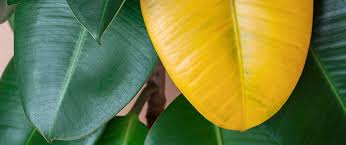
Wondering why are my indoor plant leaves turning yellow? Learn how to diagnose overwatering, light issues, or pests, and save your houseplants today.
Why Are My Indoor Plant Leaves Turning Yellow? The Ultimate Diagnostic Guide for Plant Parents
Look, I get it, plant care can be frustrating but nothing strikes absolute dread into the heart of a plant parent quite like walking up to your favorite green corner and spotting it: a bright, unmistakable yellow leaf. You immediately start scrolling through your mental checklist. Did I water it too much? Is it starving for sunlight? Did a rogue colony of spider mites move in overnight?
First, take a deep breath. Drop the watering can, step away from the pruners, and do not panic.
Here is the real talk: yellowing leaves—technically known as chlorosis—are simply your plant’s way of sending an SOS text message. Because they can’t speak, they use changes in color to let you know that something in their immediate environment is out of balance. It does not mean your a bad plant parent, and it definitely does not mean your plant is a goner.
Figuring out exactly why are my indoor plant leaves turning yellow is all about putting on your amateur detective hat and looking for a few specific clues. Here at LeafCare.xyz, we are your ultimate go-to resource for indoor plant parents looking to grow a thriving green space at home. Let’s break down the hidden culprits behind yellow foliage and walk through exactly how to restore that lush, vibrant green shine to your collection.
The Plant Detective’s Matrix: Diagnosing the Root Cause
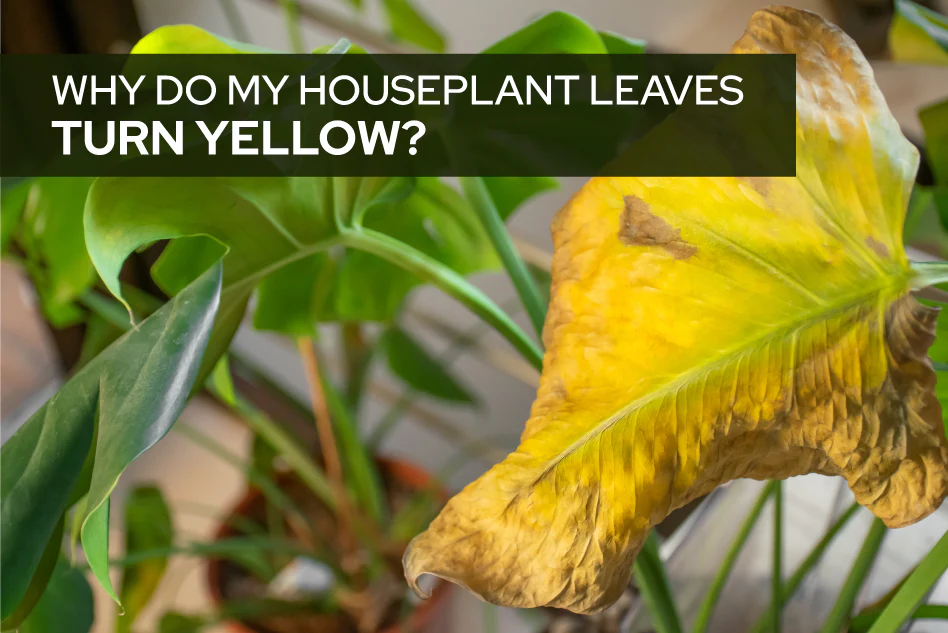
Because a plant can react to multiple completely different stressors by turning yellow, you have to look at where and how the discoloration is happening. A leaf that turns yellow from the outside edges inward tells a totally different story than a leaf that drops from the very bottom of the stem.
To help you skip the stressful guesswork, here is a quick diagnostic summary table to match your specific leaf symptoms to the most likely environmental trigger.
| Leaf Appearance | Location on the Plant | Primary Culprit | Secondary Signs to Look For |
| Limp, mushy yellow leaves | Entire plant, starting at the bottom | Overwatering (Root Rot) | Wet, soggy soil that smells sour or musty; fungus gnats |
| Crispy, paper-thin yellow edges | Lower or middle leaves | Underwatering | Bone-dry potting soil pulling away from the inside rim |
| Pale yellow, washed-out foliage | Side facing away from the window | Lack of Light | Leggy, stretched-out stems with massive gaps between leaves |
| Scorched, bleached yellow patches | Side facing directly toward the glass | Too Much Sun | Brown crisp spots right in the center of the bleached area |
| Stippled, patchy yellow spots | Scattered randomly across random stems | Pest Infestation | Fine webbing on leaf undersides or tiny, sticky sap droplets |
| Solid yellowing of oldest leaves only | Absolute base of the plant | Natural Shedding | Top growth is still pushing out massive, vibrant new leaves |
The Big Four: Why Your Leaves are Changing Color
Let’s dive deep into the specific mechanics of these triggers so you can understand exactly what your potted companion is experiencing underneath the surface.
1. The Moisture Rollercoaster: Overwatering vs. Underwatering
By far, the number one reason people find themselves asking why are my indoor plant leaves turning yellow is a mismanaged watering routine.
When you overwater, you fill up the tiny air pockets in the soil matrix with stagnant liquid. This completely suffocates the root system, preventing it from breathing oxygen. Once the roots begin to drown and decay, they can no longer transport hydration or minerals up to the top foliage. The leaves turn a sickly, soft yellow and drop off.
On the flip side, acute chronic underwatering causes the plant to go into absolute survival mode. It realizes it doesn’t have enough water to sustain its entire body, so it intentionally cuts off moisture to its oldest leaves to keep the core alive. These leaves turn dry, crispy yellow, and eventually fall away like paper.
2. The Lighting Spectrum: Too Dark or Too Bright
Plants rely entirely on sunlight to power photosynthesis—the biological proccess of turning light into energy. To capture this light, they use a green pigment called chlorophyll.
If your plant is sitting in a dark, forgotten corner of your bedroom, it cannot produce enough energy to maintain its current volume of leaves. It will start breaking down its own chlorophyll reserves, causing the foliage to look pale, washed-out, and eventually yellow.
Conversely, putting a delicate, shade-loving tropical plant like a Calathea or Monstera directly into a blazing south-facing window will physically sunburn the tissues. The intense ultraviolet rays bleach the green pigment entirely, leaving behind angry yellow or tan scorch marks where the sun hit the hardest.
3. Nutrient Deficiencies and Hard Water Buildup
Plants need a steady diet of essential macro-nutrients like nitrogen, iron, and potassium to keep their cellular structures humming along. If a plant has been trapped in the exact same bag of potting mix for over a year, it has likely sucked that dirt completely dry of nutrients. A classic sign of nitrogen deficiency is when the older, lower leaves turn a uniform, soft yellow while the veins stay slightly green.
Additionally, if you water your indoor collection exclusively with hard tap water straight from the sink, heavy minerals and chlorine can accumulate around the root zone, locking up the plant’s ability to absorb food properly.
4. Tiny Invaders: Hidden Pest Infestations
Sap-sucking monsters like spider mites, thrips, mealybugs, and scale view your beautiful houseplant collection as an all-you-can-eat buffet. They pierce the delicate outer walls of the leaf tissues to drain the sugary sap directly out of the cells. This localized damage creates a patchy, mottled yellow pattern across the leaf surface. If you don’t look closely at the undersides of the leaves or check the joints where the stems meet, these microscopic bugs can easily fly under your radar until the damage becomes severe.
Step-by-Step Guide: How to Fix Yellowing Leaves and Save Your Plant
Once you have identified the most likely culprit behind your plant’s color transformation, follow this systematic rescue protocol to bring it back to full health.
Step 1: Perform a Clean Extraction of Dead Weight
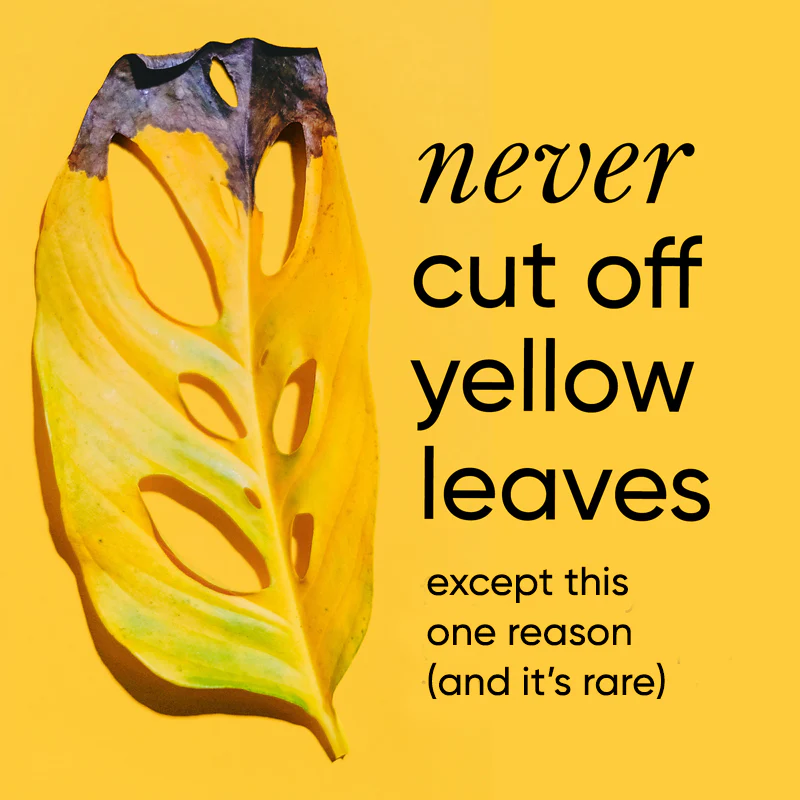
Once a houseplant leaf has turned completely yellow or brown, it cannot turn green again. The cellular pathways are permanently shut down. Keeping them attached forces the plant to waste precious metabolic energy trying to save a lost cause. Take a pair of sterilized pruning shears and snip the yellowing leaf off clean at the base of its individual stem. This instantly frees up energy for the plant to focus on pushing out fresh, healthy new growth.
Step 2: Conduct a Deep Substrate Audit
Stick your index finger roughly two inches deep straight down into the potting mix. Do not rely on how the top layer looks, as it dries out much faster than the root core. If the soil feels like a wet, swampy sponge and you haven’t watered in a week, you need to gently slide the root ball out of its container to inspect for rot. Healthy roots are firm and cream-white; rotted roots are mushy, stringy, and black. Snip away any decayed roots immediately and repot into fresh, dry soil with plenty of perlite added for aeration.
Step 3: Implement the Master Moisture Reset
If the soil is bone-dry and pulling away from the inner edges of the planter, your plant is likely hydrophobic, meaning the dry dirt is actively repelling moisture. Instead of pouring water over the top where it will just run down the sides, use the bottom-watering technique. Submerge the bottom third of the pot into a tub of lukewarm water and let it sit for 30 minutes until the top of the soil feels damp to the touch.
Step 4: Calibrate the Lighting Zone
If lack of light is the issue, move your plant closer to a window, or invest in a sleek, full-spectrum LED grow light to supplement their environment. If sunburn is the true culprit, pull the planter back a few feet away from the glass, or hang a sheer curtain to diffuse the harsh, direct afternoon sun into a soft, glowing blanket of bright indirect light.
Step 5: Clean and Wipe Down the Foliage
Dust and grime build up on leaf surfaces over time, creating a physical barrier that blocks light and clogs the breathing pores (stomata). Mix a few drops of mild castile soap or organic neem oil into a spray bottle filled with warm water. Spray down the entire plant, and use a soft microfiber cloth to gently wipe down both sides of every single leaf. This removes dust, boosts photosynthetic efficiency, and physically wipes away any hidden pest colonies before they can expand.
Step 6: Establish a Gentle Nutritional Routine
If your plant hasn’t been repotted in a long time and is showing signs of nutrient depletion, introduce a gentle, organic indoor liquid fertilisar diluted to half-strength. Only apply plant food during the active spring and summer growing months when the plant is physically utilizing those inputs. Avoid heavy chemical options that can easily burn the fragile, healing root tips.
Trust the Healing Process
Answering the riddle of why are my indoor plant leaves turning yellow is a major milestone for any developing collector. It shifts you away from generic schedules and teaches you how to listen to the specific, nuanced language of nature inside your home. Remember that plants do not heal overnight. It can take a few weeks for a recovering specimen to stabilize its root functions and start pushing out a fresh wave of lush, beautiful green growth. Be patient, stay consistent, and let nature do what it does best.
Whenever you need reliable, expert-led indoor gardening strategies, troubleshooting tips, or step-by-step guides, let LeafCare.xyz be your trusted companion. We are fully committed to walking with you through every single leaf transition, repotting milestone, and care victory with absolute clarity.
Have you noticed any mystery yellow leaves creeping into your favorite green corner this week? What changes are you planning to make to your watering or lighting setup after checking your pots today? Let us know your experiences or drop your specific plant care questions in the comments below! If you want to keep your indoor jungle thriving, stress-free, and incredibly lush, make sure to bookmark this page and subscribe to our weekly newsletter for fresh, actionable indoor gardening tips delivered straight to your inbox.
