Stop killing your houseplants with heavy potting dirt. Learn how to mix the best well draining soil mix for indoor plants at home.
The Best Well Draining Soil Mix for Indoor Plants: Say Goodbye to Root Rot
Look, I get it, plant care can be frustrating but you should not give up on your urban jungle just because a few leaves are turning yellow. Here is the real talk: most indoor plant parents think they have a “black thumb” because they are bad at watering. In reality, the culprit isn’t your watering can at all—it is your soil.
When you buy a beautiful new tropical plant and leave it in the heavy, compacted dirt it came in, you are setting yourself up for heartbreak. Standard commercial potting soils are designed to retain moisture for a long time, which is fine in a hot nursery greenhouse, but a death sentence in a cool apartment. To keep your green babies thriving, you need to understand how to create the best well draining soil mix for indoor plants.
At LeafCare.xyz, we want to take the guesswork out of indoor gardening. Let’s break down exactly why drainage matters, what ingredients you need, and how to mix your own premium chunky soil blend right at home.
Why Standard Potting Soil is Killing Your Houseplants
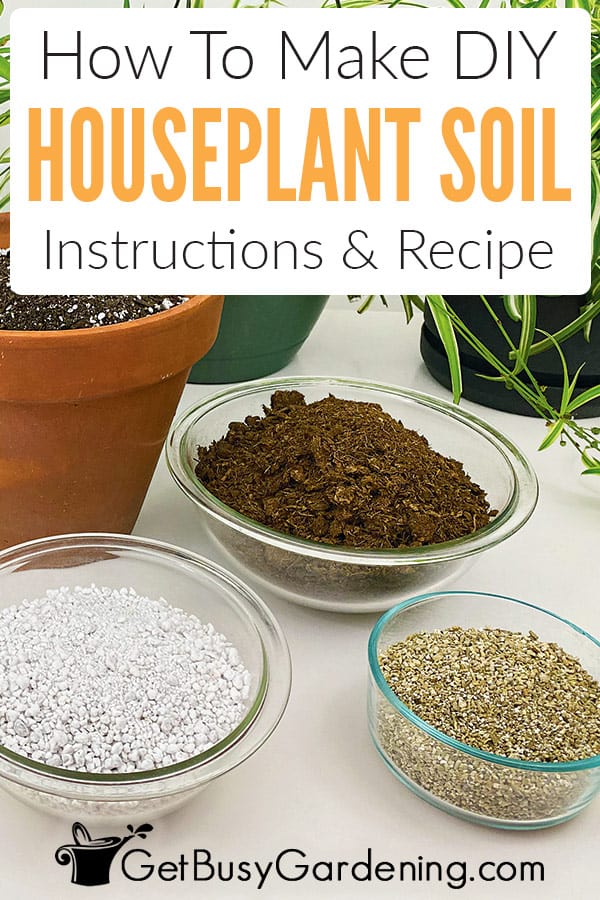
When you pour water into a pot, it needs to move through the substrate, hydrate the roots, and then exit through the bottom drainage holes quickly. If your soil mix is too dense, the water gets trapped. This completely suffocates the root system.
Plants need oxygen at the root level just as much as they need water. When soil stays muddy for weeks, the air pockets collapse. Without oxygen, the roots begin to drown and decay, leading to the dreaded root rot. Once root rot takes hold, your plant can no longer absorb nutrients or water, causing it to wilt even though the soil is soaking wet. Transitioning your collection to a high-quality, well-draining substrate is the single best preventative measure you can take.
The Secret Anatomy of a Perfect Soil Blend
Creating a premium potting mix isn’t about using a secret, magical type of dirt. It’s all about balancing three fundamental structural elements: moisture retention, aeration, and structural support.
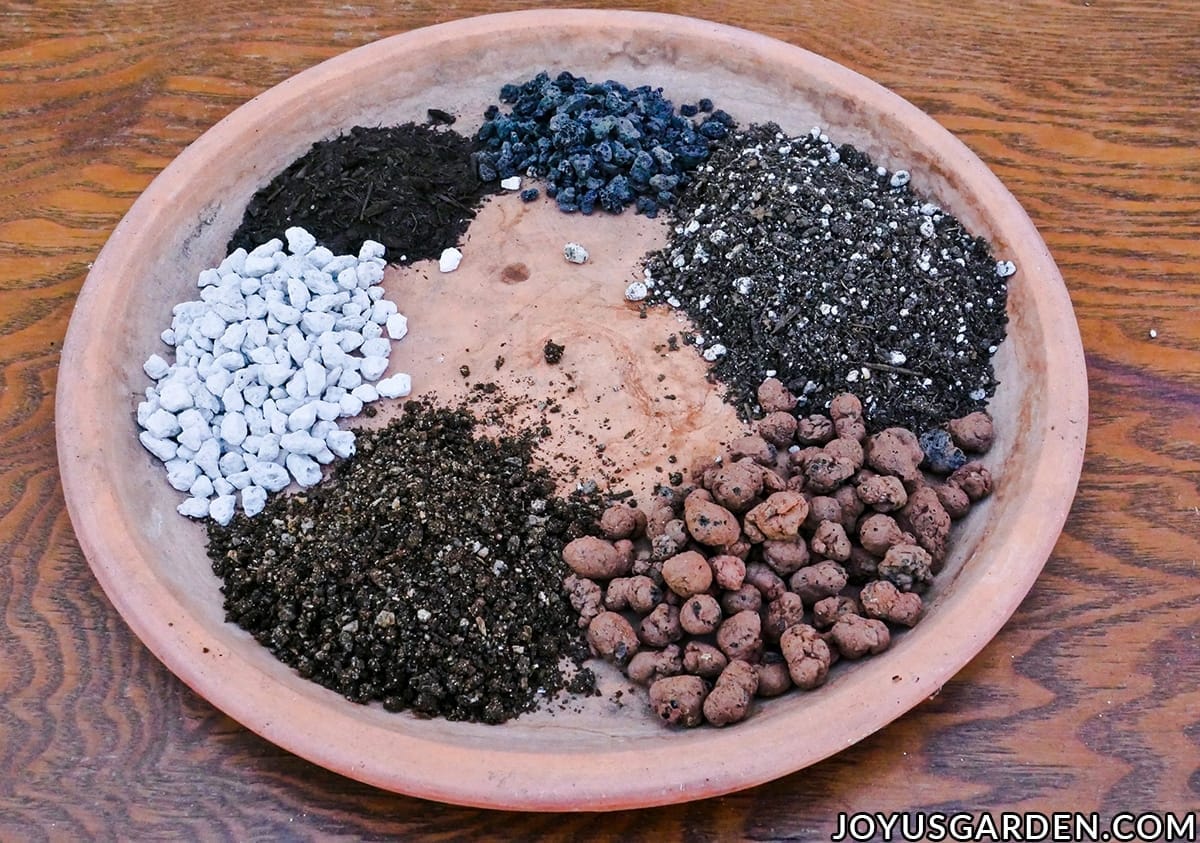
To achieve this balance, we rely on specific soil amendments that alter the texture of the base medium. Here are the core components you need to build the ultimate chunky mix:
1. The Moisture Holders (The Base)
- Coco Coir or Peat Moss: This forms the organic foundation of your mix. It holds onto moisture so your plants stay hydrated, but it doesn’t pack down tightly like heavy backyard garden soil. Coco coir is highly recommended at LeafCare.xyz because it is a sustainable byproduct of the coconut industry and degrades much slower than peat moss.
2. The Aerators (For Air Pockets)
- Perlite: These are the little white, popcorn-like volcanic glass pieces you see in premium commercial mixes. Perlite is incredibly lightweight and creates permanent air pockets in the soil, allowing water to flush right through.
- Pumice: A heavier volcanic rock that does the same job as perlite but won’t float to the top of your pot when you water your plants.
3. The Chunky Elements (For Root Health)
- Orchid Bark: Small to medium shards of fir or pine bark are essential for tropical plants like Monstera, Pothos, and Philodendrons. In the wild, these plants climb up trees, and their roots love to wrap around chunky material. Bark keeps the mix loose and creates excellent aeration.
- Horticultural Charcoal: Charcoal acts like a filtration system for your pot. It absorbs impurities, helps repel pests, and prevents the soil from smelling sour if you accidentally overdo it with the watering can.
Soil Amendment Quick Reference Table
Understanding how each ingredient behaves makes it much easier to customize a mix for your specific plant collection.
| Ingredient | Primary Function | Water Retention Level | Ideal Plant Types |
| Coco Coir | Organic base, holds moisture | High | All indoor plants |
| Perlite | Aeration, prevents compaction | None | Aroids, Succulents, Ferns |
| Orchid Bark | Mimics natural tropical floors | Medium | Monstera, Pothos, Anthurium |
| Pumice | Weight, long-term aeration | Low | Cacti, Succulents, Heavy pots |
| Horticultural Charcoal | Detoxifies soil, sweetens mix | Low | Terrariums, All houseplants |
Step-by-Step Guide to Mixing the Ultimate All-Purpose Aroid Mix
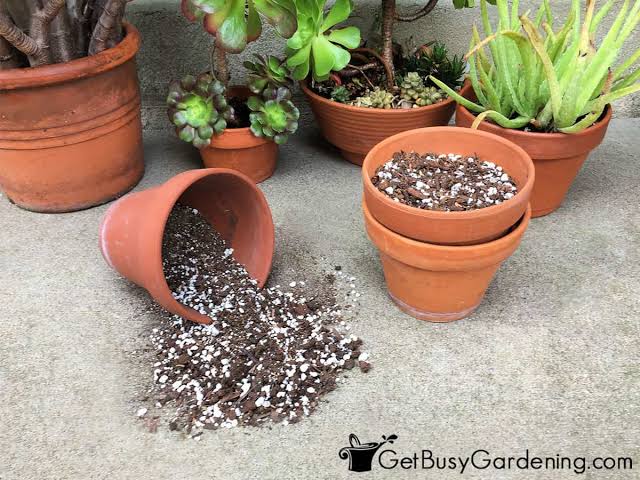
Now that you know what each ingredient does, let’s get down to the actual proccess of making the blend. This specific recipe is what we call an “Aroid Mix.” It is perfect for almost all common houseplants, including Pothos, Monstera, Philodendrons, ZZ plants, and Snake plants.
Step 1: Gather Your Supplies
Before you begin, grab a large plastic bin, a bucket, or even a heavy-duty trash bag to serve as your mixing container. You will also need a simple plastic garden scoop or a large measuring cup to use as your “part” measure.
Step 2: Measure Out the Base Ingredients
We use a ratio system so you can make as much or as little as you need. For a fantastic all-purpose indoor blend, follow this exact breakdown:
- Add 3 parts Coco Coir or high-quality organic potting soil to your mixing bin.
- Add 2 parts Perlite or Pumice to the container.
- Add 2 parts Orchid Bark to give the substrate that essential chunky texture.
- Add 0.5 part Horticultural Charcoal to help keep the root zone clean and odor-free.
Step 3: Mix Thoroughly
Reach into the bin and blend the ingredients together with your hands or a garden trowel. Make sure there are no dense clumps of coco coir left at the bottom. When you are done, the mix should look incredibly varied, colorful, and chunky.
Step 4: The Hand-Squeeze Test
Want to know if your blend is perfect? Grab a handful of the damp mix and squeeze it tightly in your fist, then open your hand. If the soil stays in a hard, muddy ball, it needs more perlite or bark. If it crumbles and falls apart naturally the moment you open your fingers, your making excellent progress and the mix is ready for potting.
Tailoring the Mix for Specific Plant Personalities
While our all-purpose chunky mix works beautifully for most tropicals, some plants have slightly different preferences. If you want your green space to truly explode with growth, you can tweak the ratios slightly based on your plant’s natural habitat.
For Succulents and Desert Cacti
These guys live in arid environments where it rarely rains, but when it does, the water drains instantly through rocky sand. They hate organic matter that holds water for long periods. To adjust your mix, use 1 part coco coir, 2 parts perlite, and 2 parts coarse sand or pumice. This ensures the soil dries out completely within a few days of watering.
For Moisture-Loving Ferns and Calatheas
Calatheas and Ferns prefer their soil to remain consistently damp, like the forest floor of a shady jungle. If their roots dry out completely, they will reward you with crispy brown edges. For these dramatic beauties, increase the moisture retention by using 4 parts coco coir, 1 part perlite, and 1 part orchid bark.
Pro Tips for Managing Your Freshly Potted Plants
Once your plants are living in the best well draining soil mix for indoor plants, your daily care routine will change slightly. Because the soil doesn’t hold stagnant water, you will notice that you might need to water a bit more frequently than you did with dense, muddy dirt.
Always check the soil using your fingers before watering. Push your index finger two inches deep into the substrate. If you feel chunky bark and dry perlite, it is time to water. When you do water, pour thoroughly until it runs freely out of the drainage holes at the bottom of the pot. Never let the bottom of your pots sit in a puddle of runoff water inside the saucer for more than 15 minutes, or you run the risk of introducing rot right back into your fresh mix.
If you notice your plants are growing rapidly in their new airy substrate, don’t forget to supplement with a liquid organic fertilisar during the active spring and summer growing months, as loose mixes can wash away nutrients faster over time.
Grow a Beautiful Home with LeafCare
Mastering your potting medium is the ultimate secret weapon to becoming a confident, successful indoor gardener. It takes away the fear of overwatering and gives your houseplants the sturdy, oxygen-rich environment they need to push out massive new leaves.
Whenever your looking to upgrade your setup, treat LeafCare.xyz as your personal digital greenhouse manual. We are always here to help you navigate pest issues, lighting problems, and repotting milestones with ease.
What are your plants currently growing in? Drop a comment below and tell us which houseplant is giving you the most trouble—we love troubleshooting soil issues! Make sure to bookmark LeafCare.xyz and subscribe to our newsletter for a weekly dose of practical indoor gardening tips sent straight to your inbox.
