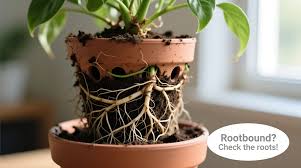
Is your houseplant struggling? Learn the unmistakable root bound indoor plant symptoms and find out exactly how to fix it before it’s too late.
Root Bound Indoor Plant Symptoms: How to Spot the Clues Before Your Plant Suffers
Look, I get it, plant care can be frustrating but nothing matches the quiet panic of watching your absolute favorite houseplant slowly go downhill for no apparent reason. You are watering it right on schedule. It is sitting in the absolute perfect pocket of bright, indirect sunlight. You haven’t seen a single spider mite or fungus gnat crawling across the soil structure. Yet, week after week, the leaves look a little more tired, the growth has completely stalled, and the whole vibe of the plant is just… off.
Before you start aggressively altering your watering habits or blasting it with heavy chemical plant food, let’s take a deep breath and look beneath the surface.
Here is the real talk: your plant might simply be running out of room to live.
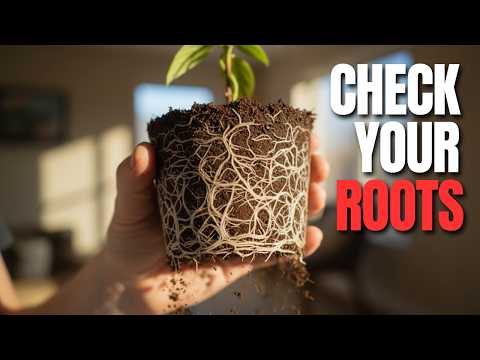
When a potted companion outgrows its container, the roots have nowhere left to expand. They begin wrapping around themselves over and over again, choking out the remaining soil until the planter is filled with a dense, solid block of tangled roots instead of nutrient-rich dirt. This condition is called being “root bound” (or pot bound), and it’s a completely natural milestone for a thriving plant.
However, if left ignored, it will slowly starve your plant of moisture and oxygen.
Recognizing the key root bound indoor plant symptoms early is the ultimate secret weapon to keeping your collection happy. Here at LeafCare.xyz, we are all about taking the guesswork out of plant maintenance so you can build a lush, stress-free urban jungle. Let’s dive deep into the unmistakable warning signs your plant is throwing at you and how to fix it like an absolute pro.
The 7 Unmistakable Root Bound Indoor Plant Symptoms
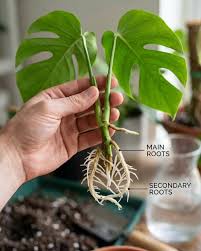
Plants cannot speak, but they are incredibly expressive communicators if you know what clues to look for. When the roots are tightly jammed against the inner walls of a pot, the top foliage will display a highly specific sequence of distress signals.
1. Roots Escaping Through Drainage Holes
This is the most obvious, flashing neon sign your plant can give you. If you pick up your planter and see thick, woody roots or a fine web of white root hairs aggressively creeping out of the bottom drainage holes, your plant is literally begging for a larger home. It is hunting for fresh soil and moisture outside its current boundaries.
2. Water Running Straight Through the Pot
When you water your plant, does the liquid instantly rush out of the bottom holes and flood the saucer within three seconds? That happens because the dense, matted root ball has completely consumed the organic potting soil. Without dirt to absorb and hold onto the moisture, the water just slips right down the smooth gaps between the root mass and the plastic container walls.
3. Dehydrated Soil That Dries Out Instantly
If your fully mature Monstera or Pothos used to go a full week between waterings but now wilts and bone-dry within 48 hours, it’s a classic symptom. Because there is barely any soil matrix left to retain water, the plant drinks up the tiny amount of moisture immediately and is left completely parched almost overnight.
4. The Dreaded Yellowing and Dropping Leaves
When roots are severely congested, they lose their structural capacity to absorb essential micro-nutrients evenly. As a result, the plant will start sacrificing its oldest, lowest leaves to preserve energy for the top center. If you notice a steady, slow yellowing of bottom leaves despite flawless watering habits, check the roots immediately.
5. Stalled or Completely Stunted Growth
Spring and summer are supposed to be prime time for shiny new leaves. If your plant hasn’t pushed out a single centimeter of new growth in months despite ideal lighting and warm temperatures, its root system has likely hit a hard physical wall. If the roots can’t grow, the top foliage won’t either.
6. Cracking or Bulging Planters
This symptom is common with aggressive growers like Snake Plants, ZZ Plants, and Spider Plants. Their thick, fleshy underground rhizomes and roots exert a massive amount of physical pressure. If your plastic nursery liner is visibly warped, oval-shaped, or starting to split open down the side, your doing an amazing job growing that plant—but it needs a rescue mission ASAP.
7. The Plant is Top-Heavy and Easily Topples Over
When a container becomes entirely packed with lightweight root material instead of heavy, moist soil, the center of gravity shifts drastically upward. If your plant tips over at the slightest breeze or whenever you gently brush past its shelf, it’s a structural hint that the root-to-soil ratio is completely out of balance.
Pot Bound Severity Scale: How Critical Is It?
Not all root bound situations require immediate emergency surgery. Some indoor varieties actually thrive when their roots are slightly compressed, while others will decline rapidly.
Understanding the stages of this condition will help you decide whether to repot right away or wait until the weekend.
| Severity Level | Physical Soil & Root Condition | What It Means For Your Plant | Action Required |
| Mildly Bound | A few loose roots circling the bottom and sides of the dirt ball. | Totally fine. Many tropicals like Hoya and Peace Lilies love this stage; it often triggers beautiful blooms. | Monitor it. No immediate repotting needed. |
| Moderately Bound | Roots form a visible, distinct cage around the soil mass, but plenty of loose dirt is still present. | The plant is reaching its maximum capacity. Growth might start slowing down slightly. | Plan to repot into a larger container within the next few weeks. |
| Severely Bound | An absolute solid block of tangled, woody roots. The soil has been completely consumed or washed away. | High risk of chronic dehydration, nutrient deficiency, and leaf loss. | Immediate intervention needed to save the plant. |
Step-by-Step Guide: How to Fix a Severely Root Bound Plant
If your plant is exhibiting multiple root bound indoor plant symptoms, don’t worry. Resolving this issue is an incredibly satisfying afternoon project. Follow this precise guide to transition your plant safely without triggering severe transplant shock.
Step 1: Loosen the Containment Wall
If your plant is tightly wedged inside a rigid ceramic or terra cotta pot, do not just yank it out by the stems! You can easily tear the crown away from the root system. Instead, slide a long, dull butter knife carefully around the inside rim of the container to sever the vacuum seal. If it is in a flexible plastic pot, give the sides a few firm, rhythmic squeezes to break up the compaction.
Step 2: Extract and Assess the Mass
Gently slide the entire root mass out of the pot. Take a good look at what you are dealing with. If the roots are white, tan, and firm, that is excellent news—they are healthy and vibrant. If you smell a sour odor or see mushy, black sections, those are dead tissues from root rot that must be snipped away with clean shears before moving forward.
Step 3: Massaging and Untangling the Root Cage
This is the absolute most important step in the entire proccess. If you take a solid, tightly bound root ball and simply drop it straight into a larger pot with fresh soil, the roots will often continue to grow in a tight, suffocating circle instead of expanding outward. Use your fingers to gently tease, wiggle, and loosen the bottom and sides of the root ball. If the mat is completely impenetrable, use a sterilized blade to make three or four shallow, vertical scores (about a quarter-inch deep) down the sides of the root ball. This intentional scoring signals the plant to stop circling and start shooting out brand-new lateral roots.
Step 4: Size Up Your New Planter Wisely
When choosing a new home for your plant, only increase the pot diameter by 2 inches (for small to medium plants) or 3 to 4 inches (for massive indoor trees). If you jump from a small 6-inch pot straight into a giant 12-inch pot, the massive volume of unoccupied, wet soil will hold onto moisture for weeks, suffocating the roots and causing rot. Ensure the new planter has excellent built-in drainage holes.
Step 5: Settle the Plant Into Its New Home
Place a layer of fresh, premium indoor potting mix at the bottom of the new container. Position your loosened root ball right in the center. The top of the root system should sit roughly an inch below the rim of the pot to prevent water overflow during future irrigations. Fill in the empty side gaps with more soil mix, tapping the sides of the vessel to help the dirt settle naturally into place.
Step 6: The Vital Recovery Flush
Give your newly potted companion a deep, thorough drink of lukewarm water until it streams steadily out of the bottom drainage outlets. This acts like a giant reset button, locking the fresh soil and the old root system together seamlessly. Place the plant back in its original home so the light levels stay consistent, and hold off on adding any heavy chemical fertilisar for at least a month while the delicate root tips heal.
Embrace the Growth Journey
Spotting root bound indoor plant symptoms isn’t a sign of failure; it is living proof that your indoor jungle is growing, changing, and thriving under your care. By taking the time to inspect what is happening beneath the soil line, you are providing the proactive, mindful care that separates casual plant owners from true, confident plant parents. Your green companions will reward your efforts by throwing out a massive new wave of large, vibrant, and stunning foliage.
Whenever you need reliable, expert-led indoor gardening strategies, troubleshooting tips, or step-by-step guides, let LeafCare.xyz be your go-to resource for indoor plant parents looking to grow a thriving green space at home. We are completely dedicated to helping you navigate every single leaf transition, repotting milestone, and care victory with total clarity.
Have you checked the bottoms of your planters recently to see if any roots are plotting an escape? Which plant in your collection do you suspect might be completely root bound right now? Let us know your thoughts or drop your specific plant questions in the comments below! If you want to keep your indoor jungle thriving and stress-free, don’t forget to bookmark this page and subscribe to our weekly newsletter for fresh, actionable indoor gardening tips delivered straight to your inbox.
