Want a bug-free jungle? Learn exactly how to prevent pests on indoor plants with our expert-led, stress-free preventative care routine.
How to Prevent Pests on Indoor Plants: The Ultimate Proactive Guide
Look, I get it, plant care can be frustrating but nothing tests your resolve quite like dealing with an active, full-blown bug infestation. One day your living your best life, admiring a new leaf on your Monstera, and the next day you spot a web, a sticky residue, or a swarm of tiny flies. It makes you want to pack up the whole collection and throw it out the window.
But here is the real talk: the easiest way to deal with houseplant pests is to make sure they never get a foothold in your home in the first place.
You do not have to wait around for bugs to attack before you take action. By setting up a simple, proactive defense routine, you can keep your green space completely safe. Here at LeafCare.xyz, we are all about empowering you to grow a thriving green space at home without the constant stress of bug anxiety. Let’s dive into exactly how to prevent pests on indoor plants so you can focus on enjoying your urban jungle rather than constantly fighting it.
The Preventative Care Matrix: Your Best Defensive Tools
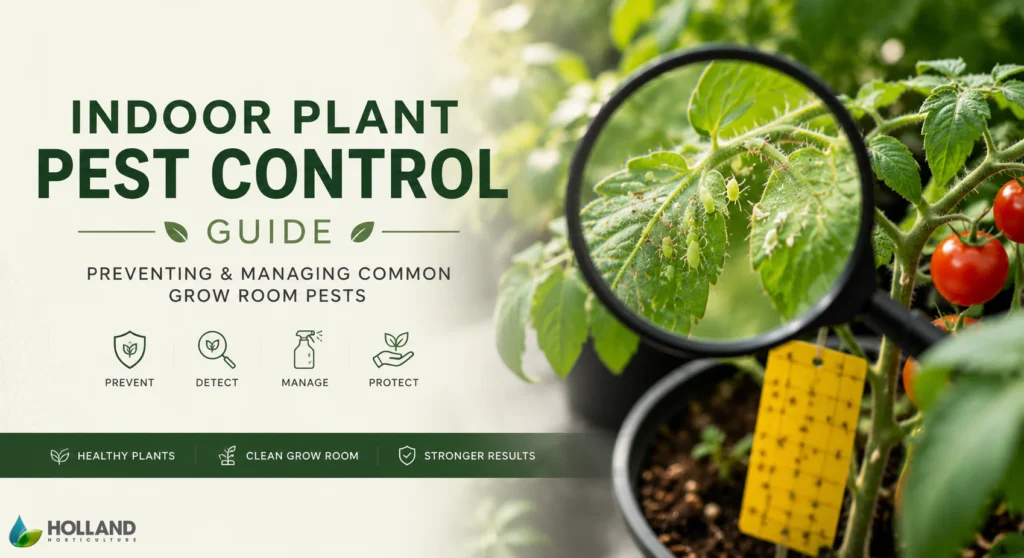
When it comes to keeping bugs away, consistency is your best friend. Instead of relying on heavy chemical pesticides after things go wrong, you can use simple, everyday habits and natural deterrents to keep your plants healthy.
Below is a quick-reference summary of the most effective preventative habits you should build into your routine.
| Preventative Habit | Target Pests | How It Works | How Often to Do It |
| New Plant Quarantine | All pests (Mealybugs, Thrips, Mites) | Isolates hidden bugs before they can jump to your main collection | 2 to 3 weeks for every new addition |
| Foliage Wiping & Washing | Spider mites, Aphids, Scale | Manually removes dust, debris, and opportunistic crawlers | Every 2 weeks |
| Soil Moisture Management | Fungus gnats, Soil mites | Deprives soil-dwelling pests of the damp environment they need | Every time you water |
| Proactive Neem Oil Wipes | Chewing and sucking insects | Leaves an organic, bitter coating that deters pests from settling | Once a month |
Why Do Pests Attack Indoor Plants in the First Place?
To understand how to prevent pests on indoor plants, we have to look at what attracts them. Bugs are opportunistic creatures. They don’t pick your plants because you are doing a bad job; they pick them because the indoor environment provides the perfect, predator-free ecosystem for them to multiply.
Plant Stress and Vulnerability
In the wild, plants develop complex chemical defenses and thick outer walls to keep bugs away. Indoors, if a plant is struggling with low light, poor nutrition, or incorrect watering, its immune system drops. A weak plant emits distress signals that bugs can actually detect, making it an easy target.
Ideal Microclimates
Many common houseplant pests thrive in the exact environmental conditions we create inside our living spaces. For example, dry indoor heating or stagnant air conditioned rooms provide the ultimate breeding ground for spider mites. On the flip side, overwatering and lack of airflow create a soggy soil surface that fungus gnats absolutely love.
The “Trojan Horse” New Addition
The most common way pests enter an indoor jungle is by hitching a ride on a new plant purchase. You buy a gorgeous new specimen from a local nursery, bring it home, and immediately place it right next to your existing plants. Hidden deep inside the leaf joints or within the potting soil could be tiny eggs just waiting to hatch and crawl onto the rest of your collection.
Step-by-Step Guide: How to Prevent Pests on Indoor Plants
Building an impenetrable shield around your indoor jungle doesn’t take hours of complex labor. It just takes a structured, systematic approach to your routine. Follow these essential steps to keep your plant collection safe and pristine.
Step 1: Establish a Strict Quarantine Protocol
Every single time you bring a new plant home, treat it like an outsider until it proves it is safe. Place the new addition in a completely separate room away from any other foliage for a minimum of two weeks.
During this time, inspect the plant under a bright light every couple of days. Look closely at the undersides of the leaves, the stems, and the top layer of dirt. If any hidden pest eggs hatch during this isolation window, you can treat the single plant easily without worrying about a widespread outbreak across your entire home.
Step 2: Clean the Foliage Regularly
Dust is a pest’s best friend. It blocks sunlight, making your plant weaker, and it creates a gritty, protective layer that allows tiny insects to hide and spin webs underneath.
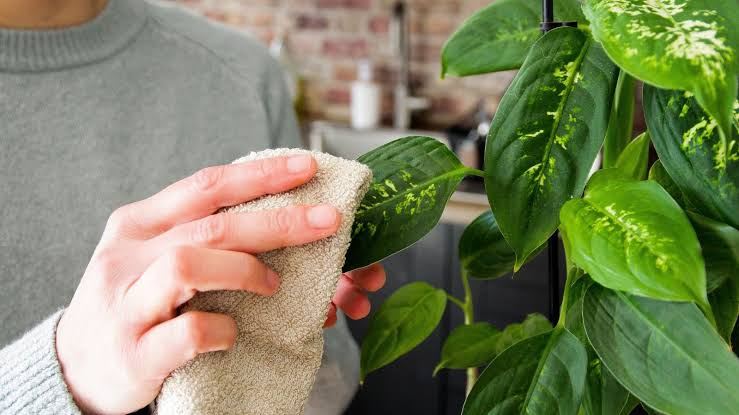
Make it a habit to wipe down your plant leaves every two weeks. Use a damp microfiber cloth, or take your sturdier plants straight to the shower and rinse them down with lukewarm water. Washing the leaves physically dislodges any curious pests that might have drifted in through an open window or on your clothes before they can establish a colony.
Step 3: Master the Art of Substrate Drying
Since so many indoor plant bugs rely on soggy conditions to breed, managing how you water is a crucial step in learning how to prevent pests on indoor plants.
Always check the moisture level of your soil before adding water. Stick your finger two inches deep into the pot, or use a reliable moisture meter. If the soil is still damp, wait. Allowing the top layers of your potting mix to dry out completely between waterings starves out fungus gnat larvae and stops mold growth in its tracks. Ensure your pots always have functional drainage holes so water never sits stagnant at the bottom of the root system.
Step 4: Apply Monthly Proactive Leaf Protectors
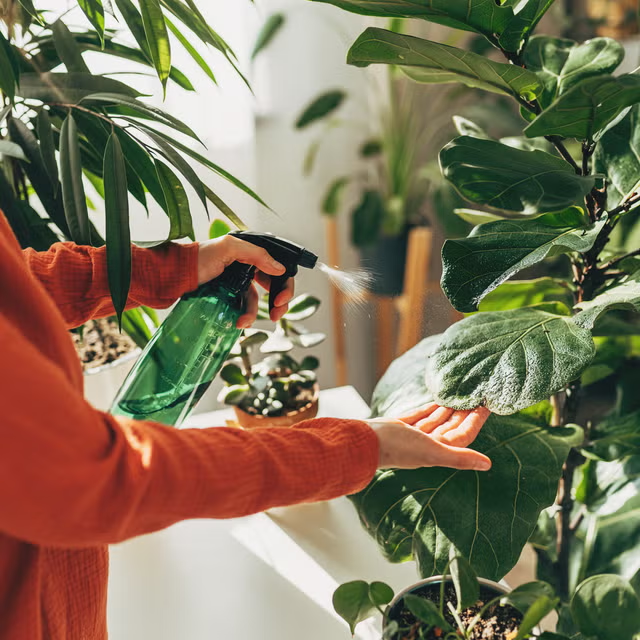
You don’t need to wait for a crisis to use natural protectants. Once a month, after cleaning your leaves, mist your plants with a highly diluted solution of organic cold-pressed neem oil, water, and a few drops of mild dish soap.
Neem oil contains natural compounds that disrupt the feeding and growth cycles of insects. When applied regularly as a light polish, it keeps your leaves shining beautifully and makes the surface taste incredibly bitter to any pests looking for a quick snack.
Pro Tip: Apply your neem oil or soap mixtures in the evening or when your plants are out of direct sunlight. If the sun hits wet, oily leaves, it can cause the foliage to scorch and burn.
Step 5: Keep the Growing Environment Clean
Good hygiene around your plant shelves goes a long way. Pick up and discard any fallen, dead leaves that drop onto the soil surface, as decaying organic matter attracts soil pests. Periodically sweep up loose dirt and wipe down the surfaces of your display stands. Keeping a clean, tidy space ensures that bugs have nowhere to hide or breed nearby.
Advanced Defensive Strategies for Growing a Resilient Jungle
If you want to take your preventative care to the next level, focus on building up the structural strength of your plants so they can naturally resist attacks.
Optimize Nutrition with Stronger Cell Support
When your plants have access to the right nutrients, they build thicker, tougher cell walls that chewing and sucking pests struggle to pierce. During the spring and summer growing seasons, feed your green roommates with a balanced, high-quality food. Adding a supplement that contains silica can significantly harden the plant’s tissue, making it much more resilient against opportunistic bugs. Just be careful not to over-apply your fertilisar, as excessive nitrogen can actually cause weak, leggy growth that pests love to target.
Improve Air Movement
Stagnant air allows pockets of humidity to sit directly over your pots, creating a cozy habitat for flying insects. Use a small, low-powered fan in your plant room to keep the air gently circulating. This helps the soil surface dry out more efficiently and makes it incredibly difficult for weak-flying pests like fungus gnats to land on your plants and lay eggs.
Repot Using Sterile Media
When it is time to upgrade your plant to a bigger container, always use fresh, high-quality potting soil from a sealed bag. Avoid leaving opened bags of soil sitting outside on a porch or balcony, as local bugs will quickly crawl inside and turn the bag into an active nursery. If your reusing an old pot, scrub it out thoroughly with hot, soapy water before adding a new plant to it.
Your Plants Will Thank You
Implementing a proactive preventative routine might feel like an extra step in your busy schedule, but trust me, it saves you an immense amount of time, money, and heartache down the road. It is always much easier to keep a bug out of your house than it is to evict a massive colony that has already taken over your bedroom. Remember, your a fantastic plant parent, and taking these small steps ensures your indoor jungle remains the peaceful, thriving sanctuary you deserve.
For more reliable, judgment-free indoor gardening strategies, interactive care guides, and professional advice, keep exploring LeafCare.xyz. We are dedicated to helping you master every single phase of your plant journey with complete confidence.
What is your current routine for keeping your houseplants clean and healthy? Have you ever tried quarantining your new green purchases? Let us know your favorite tips or drop your specific plant questions in the comments below! If you want to keep your jungle pristine, make sure to bookmark this page and subscribe to our weekly newsletter for fresh, actionable indoor gardening tips delivered straight to your inbox.
