Discover the best white spots on indoor plant leaves remedy. Learn how to identify powdery mildew, pests, or mineral buildup and fix it naturally.
White Spots on Indoor Plant Leaves Remedy
You walk over to your favorite plant shelf, misting bottle in hand, ready to show your green babies some love. But as you get closer to your Monstera or your beloved Pothos, you notice something alarming. The leaves are covered in strange, chalky, or fuzzy white patches. Your mind immediately goes to the worst-case scenario. Is your plant dying? Is it a contagious plant plague?
Look, I get it, plant care can be frustrating but waking up to find mysterious discolorations on your gorgeous foliage can feel like a total gut punch. Before you panic and banish your plant to the balcony or, worse, the trash can, take a deep breath. White patches are incredibly common in indoor gardens, and finding the right white spots on indoor plant leaves remedy is much easier than you think.
Here is the real talk: your plant is sending you a distress signal, not a death warrant. At LeafCare.xyz, we are all about stripping away the judgment and giving you the exact, actionable steps you need to diagnose the issue and restore your plants to their vibrant, glossy glory. Let’s break down exactly what is causing those spots and how to cure them naturally.
Diagnosing the Culprit: What Are Those White Spots?
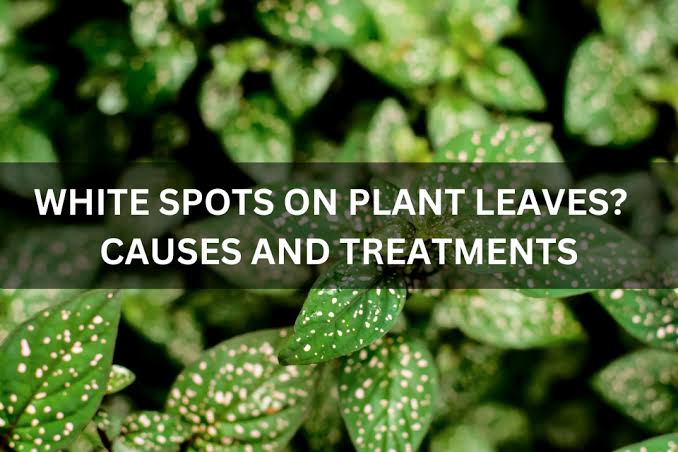
Before we can apply a specific white spots on indoor plant leaves remedy, we have to figure out exactly what we are dealing with. Not all white spots are created equal. Sometimes it is a fungal infection, sometimes it is a sneaky pest infestation, and other times it is just a harmless byproduct of your tap water.
Let’s look at the three most common causes of white spots on indoor greenery:
1. Powdery Mildew (Fungal Infection)
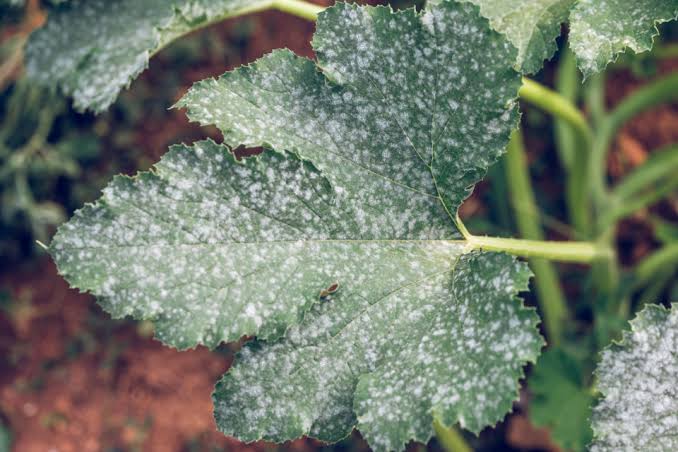
If the white spots look like someone lightly dusted flour or powdered sugar across the tops of your leaves, your likely dealing with powdery mildew. This is a fungal spore infection that thrives in environments with high humidity, stagnant air, and poor ventilation. While it starts as small isolated circles, it can quickly spread to coat entire leaves, blocking sunlight and crippling the plant’s ability to photosynthesize.
2. Mealybugs (Pest Infestation)
If the white spots look fuzzy, sticky, or resemble tiny clumps of cotton tucked away in the crevices where the leaves meet the stems, you have mealybugs. These are soft-bodied, sap-sucking insects that secrete a waxy, cotton-like coating to protect themselves from predators. They actively drain the life out of your house plants, leading to wilting, yellowing, and stunted growth.
3. Mineral Edema or Edaphic Buildup (Salt and Calcium)
If the spots are hard, chalky, crusty, and located primarily around the edges or the undersides of the leaves, your plant might just be sweating out excess minerals. When you water your plants with hard tap water, the roots absorb the dissolved calcium, salt, and magnesium. The plant expels the excess moisture through microscopic pores on its leaves, and when the water evaporates, it leaves behind a chalky mineral residue.
The White Spots Diagnostic and Treatment Matrix
To make your life easier, we have built this quick-reference care summary table so you can match the symptoms of your house plants to the correct natural solution.
| Appearance of Spots | Primary Cause | Severity Level | Target Remedy |
| Dull, powdery, flour-like dust on the leaf surface | Powdery Mildew (Fungus) | Moderate | Baking Soda or Milk Spray + Pruning |
| Sticky, fuzzy, cotton-like clusters in stem joints | Mealybugs (Pest) | High | Isopropyl Rubbing Alcohol + Neem Oil |
| Hard, chalky, white or yellowish crust on leaf undersides | Mineral Buildup (Tap Water) | Low | Switch to Distilled/Rainwater + Wipe Down |
| Tiny, speckles with fine webs on leaf undersides | Spider Mites (Pest) | High | Warm Water Rinse + Insecticidal Soap |
Step-by-Step Guide: The Ultimate Remedies
Now that you know what is troubling your urban jungle, it is time to deploy the ultimate white spots on indoor plant leaves remedy based on your specific diagnosis. Follow these detailed, step-by-step instructions to clear up your plant’s complexion safely.
The Remedy for Powdery Mildew: The Baking Soda Shield
Baking soda raises the pH level on the surface of the leaf, creating an alkaline environment where fungal spores cannot survive or reproduce.
- Step 1: Isolate the Patient. Fungal spores travel through the air incredibly fast. Move the infected plant to a separate room away from your healthy plants immediately.
- Step 2: Prune Severely Infected Leaves. If a leaf is completely coated in white fuzz, it is past the point of recovery. Use clean, sanitized shears to clip it off and throw it away in an enclosed trash bin.
- Step 3: Mix the Antifungal Solution. In a spray bottle, combine 1 tablespoon of baking soda, 1 teaspoon of mild liquid Castile soap (which helps the mixture stick to the leaf), and 1 gallon of warm water. Shake well to dissolve.
- Step 4: Spray and Protect. Thoroughly drench the remaining leaves, ensuring you hit both the tops and bottoms. Let the plant dry completely in a room with a running fan to boost air circulation. Repeat this proccess every 5 to 7 days until the spots vanish.
The Remedy for Mealybugs: The Rubbing Alcohol Strike
Mealybugs have a protective waxy armor that water-based sprays cannot easily penetrate. Alcohol breaks down that wax instantly, dehydrating the pest.
- Step 1: Dip a Cotton Swab. Take a standard cotton swab and dip it generously into 70% isopropyl rubbing alcohol.
- Step 2: Dab the Bugs Directly. Dab the alcohol swab directly onto the white, cottony clusters. You will watch the white fuzz dissolve, turning the insect a brownish color as it dies. Be meticulous and check the deep nooks of the stems.
- Step 3: Wipe Down the Foliage. For large infestations, mix 1 cup of rubbing alcohol with a few drops of Castile soap and 1 quart of water. Spray down the entire plant and wipe the leaves with a soft microfiber cloth to remove hidden nymphs.
- Step 4: Follow Up. Repeat this physical removal process every few days for two weeks to catch any unhatched eggs that emerge from the soil.
The Remedy for Mineral Buildup: The Pure Water Flush
This is an environmental adjustment rather than a medical treatment. It requires changing your watering habits to clear out systemic salts.
- Step 1: Leach the Potting Soil. Take your plant to the sink or shower. Run lukewarm, filtered, or distilled water through the soil continuously for 3 to 5 minutes, letting it drain completely out of the bottom holes. This washes away accumulated fertilisar and tap water salts from the root zone.
- Step 2: Wipe the Residue. Mix a solution of equal parts lemon juice and distilled water. Dampen a soft cloth and gently buff the white crusty spots off the leaves. The natural acidity of the lemon breaks down the calcium buildup without harming the plant tissue.
- Step 3: Upgrade Your Water Source. Moving forward, stop using heavy tap water for sensitive plants like Marantas, Calatheas, and Spathiphyllums. Switch to collected rainwater, distilled water, or a high-quality filtered pitcher setup.
Pro-Tips to Prevent White Spots from Returning
Once you have successfully implemented your chosen white spots on indoor plant leaves remedy, you need to set up preventative boundaries so you don’t find yourself fighting the same battle next month.
First, never crowd your plants tightly together. We all want that dense, lush aesthetic, but crowding creates pockets of stagnant, humid air between the leaves. This is an open invitation for fungal diseases like powdery mildew to settle in. Space your pots out slightly so air can flow freely between them.
Second, avoid overhead misting if you don’t have active airflow. Leaving pools of water sitting on top of cold leaves overnight is the perfect breeding ground for fungal spores. If you want to boost humidity, use a dedicated ultrasonic humidifier or place your pots on a tray filled with pebbles and water.
Finally, keep a close eye on your fertilisar routine. Over-feeding your plants causes weak, watery structural growth that insect pests love to target. Keep your feeding schedule balanced and moderate to encourage tough, resilient cell walls that bugs and fungi cannot easily penetrate.
Grow a Beautiful, Spot-Free Indoor Oasis
Discovering unexpected imperfections on your beloved house plants can be discouraging, but it is just a normal part of the learning process. With the right strategies and a little consistency, you can easily troubleshoot these common hurdles and keep your plant family thriving for years to come.
If you found these natural remedies helpful, make sure to bookmark LeafCare.xyz so you always have a trusted, expert guide in your pocket whenever your indoor garden acts up. Want more practical, judgment-free tips delivered straight to your device? Subscribe to our weekly LeafCare newsletter for exclusive guides, curated plant care lists, and community highlights.
Are you currently battling a mysterious spot on your favorite leaf or trying to identify an elusive pest? Drop a comment below with your plant questions—our dedicated team of plant parents is always here to help you troubleshoot!
