Learn the safest homemade insecticidal soap recipe for house plants. Eliminate aphids, mites, and thrips naturally without harsh chemicals.
Homemade Insecticidal Soap Recipe for House Plants
You are inspecting your favorite Pothos or checking on that gorgeous new Calathea you brought home last week, and suddenly you notice it. A creepy, crawling web under a leaf, or a cluster of tiny, sap-sucking green bugs huddled around a new stem. Your heart sinks. Plant pests have entered the chat.
Look, I get it, plant care can be frustrating but waking up to a sudden explosion of spider mites, aphids, or mealybugs is next-level stressful. Your first instinct might be to panic-buy a heavy-duty chemical spray online, but hold that thought. You do not need to fill your living space with harsh, synthetic toxins to save your indoor jungle. In fact, you probably already have everything you need in your kitchen cabinet to wipe them out safely.
Here is the real talk: nature is resilient, but so are the solutions it provides. At LeafCare.xyz, we are all about keeping things sustainable, safe for your pets, and easy on your wallet. Today, we are breaking down the ultimate homemade insecticidal soap recipe for house plants so you can protect your plant babies using clean, non-toxic ingredients.
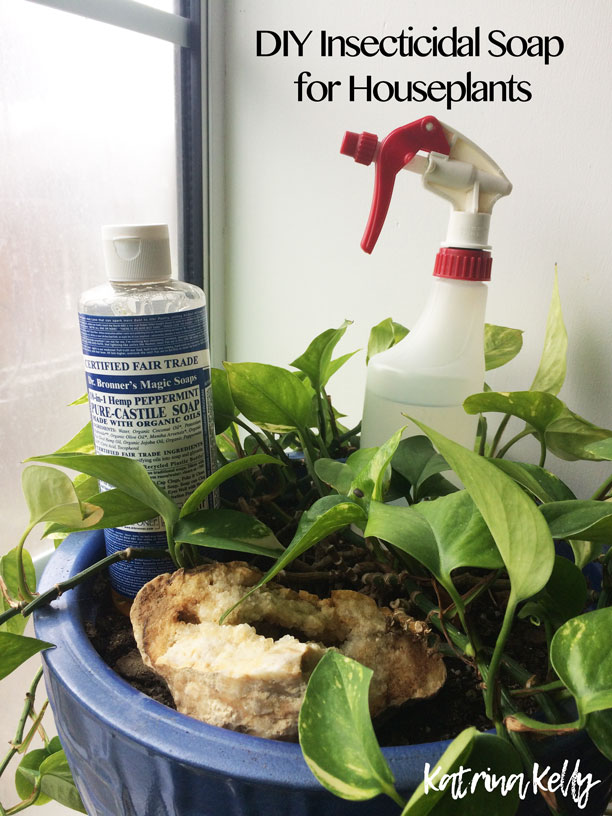
Why Choose Homemade Insecticidal Soap?
Commercial pesticides can be incredibly aggressive. Not only do they smell awful, but they can also leave chemical residues in your apartment, harm beneficial soil microbes, and even scorch the sensitive foliage of your indoor garden if applied incorrectly.
A DIY insecticidal soap is a game-changer. It leverages the natural power of fatty acids to dissolve the protective outer coating of soft-bodied insects like thrips, whiteflies, and mites. Once that barrier is broken down, the pests quickly dehydrate and clear out. It is fast, highly targeted, and completely biodegradable.
Before you go grabbing random dish soaps, it is crucial to understand that not all soaps are created equal. Using the wrong base can turn your helpful remedy into a total disaster for your green space.
Choosing the Right Soap Base: Soap vs. Detergent
This is the part that trips up almost everyone. Most of the plastic bottles sitting by your kitchen sink labeled as “soap” are actually synthetic detergents.
Detergents are engineered to strip away heavy grease from pots and pans. If you spray a harsh degreaser directly onto plant tissues, you will strip away the plant’s protective waxy cuticle layer, leading to severe leaf burn and dehydration. To make a safe homemade insecticidal soap recipe for house plants, you need to use actual saponified soap.
The table below breaks down the best options to ensure you make a mix that is safe for your plant collection:
| Soap Type | Status | Why It Works / Why to Avoid |
| Pure Liquid Castile Soap | Highly Recommended | Made from pure plant oils (like olive or hemp). Completely natural, gentle on leaves, and brutal on pests. |
| Liquid Murphys Oil Soap | Great Alternative | Vegetable-based oil soap. Excellent formatting for emulsifying with water and safe for most foliage. |
| Organic Liquid Dish Soap | Use with Caution | Must be a mild, plant-derived formula completely free of synthetic fragrances, degreasers, and bleach. |
| Conventional Dish Detergent | Strictly Avoid | Contains harsh chemical degreasers that will dissolve your plant’s protective outer leaf layers. |
The Golden Ratio: Homemade Insecticidal Soap Recipe for House Plants
To craft a spray that is powerful enough to kill bugs but gentle enough to keep your delicate foliage happy, sticking to the correct proportions is everything. Here is our tested, expert-approved formulation for general indoor use.
The Ingredients & Tools
- 1 quart (approx. 4 cups) of warm water (preferably distilled or filtered)
- 1 tablespoon of pure liquid Castile soap (unscented is best, but peppermint works beautifully too)
- 1 teaspoon of vegetable oil or neem oil (optional, acts as an emulsifier to help the spray stick to leaves)
- A clean, empty spray bottle
- A measuring spoon
Step-by-Step Guide: Mixing and Applying the Spray
Creating the solution is easy, but the application proccess requires a bit of strategy to ensure you target the pests without shocking your plants.
Step 1: Mix the Solution
Take your clean spray bottle and pour in the warm water first. Adding water before the soap prevents the mixture from bubbling up into an uncontrollable foam. Add one tablespoon of your liquid Castile soap and the optional teaspoon of oil. Secure the nozzle and give it a gentle shake until the liquid is uniform and clear.
Step 2: Perform a Patch Test
Every plant family reacts differently to topical treatments. Delicate or fuzzy-leafed varieties like African Violets or Ferns can be particularly sensitive. Spray a tiny amount of your mixture onto a single lower leaf and wait 24 to 48 hours. If the leaf remains green and healthy, your good to go. If you notice yellowing or spotting, dilute the mixture with more water before moving forward.
Step 3: Target the Infestation Zone
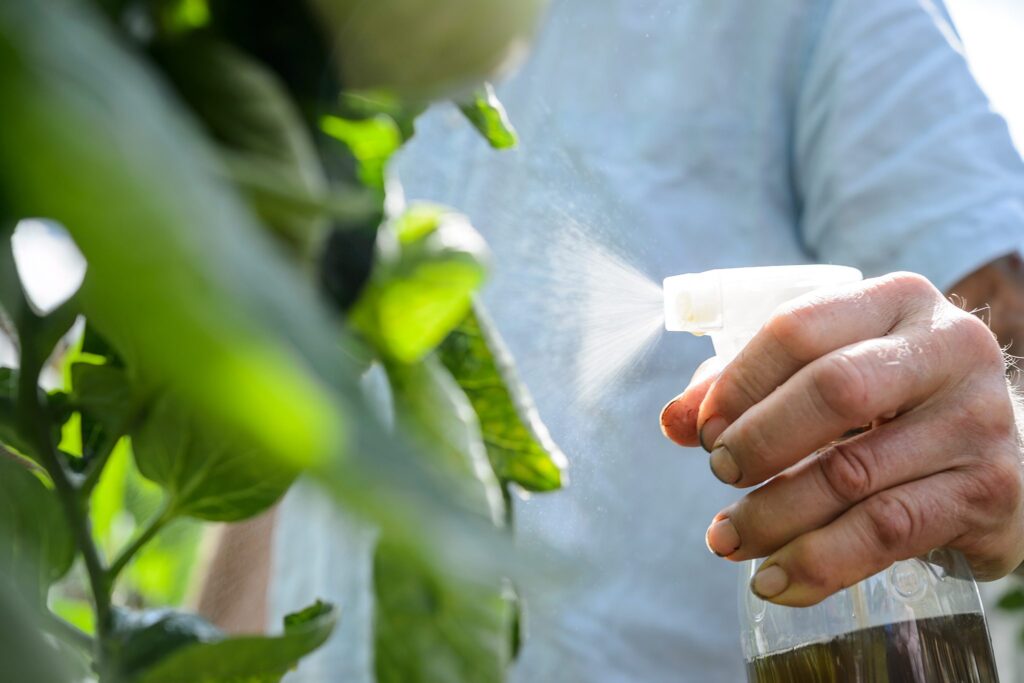
Pests love to hide where your not looking. Take your plant to the shower, bathtub, or outdoors if weather permits. Thoroughly spray the plant from top to bottom. Make sure to heavily coat the undersides of the leaves, the junctions where stems meet, and the top layer of the potting soil where larvae might be crawling. The spray must physically touch the insects to kill them.
Step 4: Let It Sit, Then Rinse
Allow the soapy mixture to sit on the plant for roughly 20 to 30 minutes to do its work breaking down the pests. Afterward, take a gentle stream of room-temperature water and rinse the plant down. Rinsing prevents any soap residue from building up in the pores of the leaves, keeping the stomata clear so your plant can breathe and photosynthesize properly.
Step 5: Repeat the Cycle
Insecticidal soap kills adult insects and active nymphs on contact, but it does not destroy unhatched pest eggs. To catch the next generation as they emerge, repeat this spraying and rinsing process every 4 to 7 days for at least three consecutive weeks. Consistency is the secret weapon to breaking the pest life cycle entirely.
Pro-Tips for Maximum Plant Safety
To get the absolute best results from your homemade insecticidal soap recipe for house plants, keep these expert guidelines in mind during treatment:
Never spray a plant that is under severe moisture stress or wilting. If your plant is desperately dehydrated, its cells are weakened, making it far more susceptible to leaf damage from any topical treatment. Water your plant thoroughly a day before applying the soap spray.
Additionally, always apply your treatments in the early morning or late evening when light levels are low. If you coat leaves in oil and soap and immediately place them under direct sunlight or intense grow lights, the liquid can act like a magnifying glass, causing the sun to scorch the foliage.
Finally, check your fertilisar routines. Over-fertilizing with high-nitrogen mixes creates a rapid burst of soft, flush new growth. This tender foliage is like an all-you-can-eat buffet for sap-sucking pests, causing populations to boom overnight. Balance your plant nutrition to encourage strong, woody cell structures that bugs struggle to pierce.
Reclaim Your Indoor Oasis
Dealing with an indoor pest outbreak can feel isolating and overwhelming, but it is just a normal milestone on the path to becoming a seasoned plant expert. By switching to natural, home-cooked remedies, you protect your living space, keep your furry friends safe, and learn to work in harmony with nature.
If you want to keep your indoor garden thriving without the guesswork, make sure to bookmark LeafCare.xyz as your trusted destination for modern plant parenting. Drop your email below to subscribe to our weekly newsletter for exclusive, hassle-free plant tips, and don’t hesitate to leave a comment with your current plant questions—we love talking shop and helping you build a beautiful, stress-free green home!
