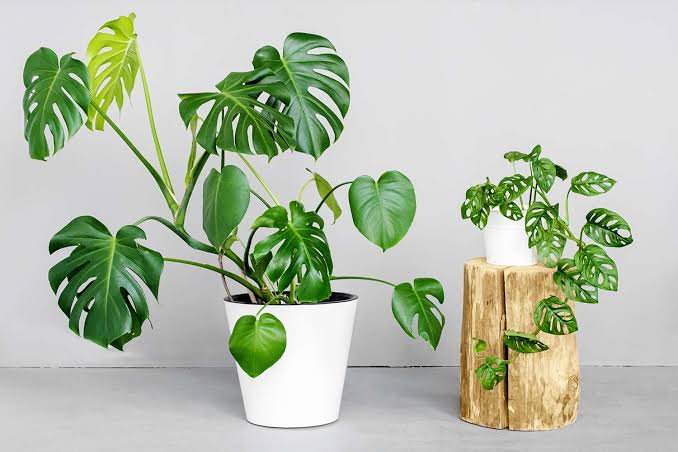
Got a room with zero windows? Discover if can indoor plants survive in windowless rooms and learn exactly how to grow a lush jungle in the dark.
Can Indoor Plants Survive in Windowless Rooms? The Ultimate Guide to Growing Green in the Dark
Let’s be completely honest for a second: the struggle of apartment living is real. You move into a cozy new place, or you finally get a dedicated home office, only to realize the architectural reality is less “sun-drenched greenhouse” and more “windowless concrete bunker.” You have a bathroom with zero natural light, a dark hallway closet turned workspace, or a basement bedroom that relies entirely on overhead bulbs.
But you love the aesthetic of a lush, trailing pothos cascading down a shelf or a structural snake plant grounding the corner of your desk. You want the mental health benefits of living around nature, but you are staring at your pitch-black room thinking it is an absolute death sentence for anything with roots.
Look, I get it, plant care can be frustrating but living in a space without natural sunlight doesn’t mean you are banned from being a plant parent. The burning question on every urban gardener’s mind is always: can indoor plants survive in windowless rooms?
The short answer is yes—but there is a massive catch. Left entirely on their own under standard household lights, most plants will slowly starve, wither, and drop dead. However, with the right strategy, a few cheap tech modifications, and the correct species selection, you can absolutely grow a thriving, vibrant indoor jungle in total darkness. Here at LeafCare.xyz, we are your go-to resource for practical, judgment-free gardening advice. Let’s look at the real talk on how to beat the windowless blues and bring your dark spaces to life.
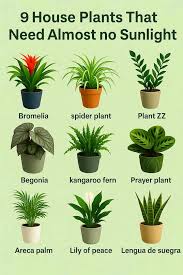
The Science of Plant Starvation: Why Pure Darkness Fails
To understand how to make this work, we have to talk about what light actually means to a plant. Light isn’t just a comfort factor; it is food. Through the biological proccess of photosynthesis, plants use light energy to convert water and carbon dioxide into sugars, which fuels their root systems, leaf production, and overall cellular structure.
When you put a plant in a room with zero windows and turn off the lights when you leave for work, the plant is effectively plunged into a state of total sensory deprivation. It cannot produce food. To survive, it enters a desperate emergency state, breaking down its own stored sugars just to stay alive. Over a few weeks, the leaves turn pale, the stems stretch out into long, spindly threads, and the plant eventually collapses from sheer exhaustion.
However, here is the secret: plants do not care if their light energy comes from a ball of burning gas millions of miles away in space, or a twenty-dollar LED bulb you bought online. As long as you provide the right spectrum and intensity of artificial light, your plants will happily photosynthesize without ever seeing a single ray of real sunshine.
Survival Potential of Plants in Windowless Spaces
Not all houseplants can handle the psychological toll of a windowless environment, even with artificial lights. Here is a care summary table breaking down which plants are best suited for windowless rooms and what they require to make it through.
| Plant Name | Low-Light Tolerance | Growth Rate in Dark Rooms | Risk of Root Rot | Best Artificial Light Source |
| Snake Plant (Sansevieria) | Exceptionally High | Extremely Slow | Very High (Soil dries slowly) | Standard LED Desk Lamp |
| ZZ Plant (Zamioculcas zamiifolia) | Exceptionally High | Slow to Moderate | Very High | Overhead Office Fluorescents |
| Pothos Varieties (Epipremnum) | High | Moderate (May lose variegation) | Medium | Dedicated Full-Spectrum LED |
| Cast Iron Plant (Aspidistra) | High | Very Slow | Low | Compact Fluorescent Bulb (CFL) |
| Cast-Iron Ferns / Monsteras | Low to Medium | Stagnant (Not recommended) | High | High-Output LED Panel |
The Real Talk on Household Lights vs. Grow Lights
Here is the real talk: you cannot just put a pothos in a windowless bathroom, leave your standard warm-yellow vanity mirror lights on for a few hours a day, and expect it to grow. Standard incandescent residential lightbulbs produce mostly heat waves and yellow-infrared light, which are completely useless for plant health.
If you want your indoor plants to survive in windowless rooms, you need to utilize one of two options:
1. High-Output Office Fluorescent Lighting
Have you ever noticed how pothos and ZZ plants seem to thrive in corporate office cubicles that have absolutely zero windows? That is because commercial fluorescent tube lighting emits a high volume of cool blue light spectrum wavelengths. If your windowless room is an office space where the overhead fluorescent lights stay turned on for 12 to 14 hours a day, your resilient low-light plants will actually survive quite comfortably.
2. Dedicated Full-Spectrum LED Grow Lights
For residential bedrooms, bathrooms, or basements, specialized LED grow lights are your best friends. These bulbs are specifically engineered to pump out massive amounts of targeted blue and red wavelengths that mimic natural outdoor light. They fit into normal lamps, run cool to the touch, use very little electricity, and look like beautiful daylight to human eyes.
Step-by-Step Guide: How to Keep Plants Alive in Windowless Rooms
If you are ready to green up a dark corner, don’t just guess and hope for the best. Follow this exact step-by-step method to build a sustainable, bulletproof windowless plant setup.
Step 1: Select Your Resilient Survivors
Do not try this with a fiddle leaf fig, a colorful croton, or a desert succulent—they will rot and die within a month. Stick exclusively to hyper-resilient, shadow-tolerant varieties. The “Big Three” for windowless spaces are the Snake Plant, the ZZ Plant, and the classic Golden Pothos. These plants have thick, waxy leaf cuticles that store moisture and process low-intensity photons incredibly efficiently.
Step 2: Set Up an Automated Artificial Light Source
Because there is zero ambient light, consistency is everything. Position a full-spectrum LED grow light bulb roughly 12 to 18 inches directly above your plants. Plug that light into an automatic mechanical or smart timer. Set the timer to run continuously for 12 to 14 hours every single day, turning on and off at the exact same times. Your plants need a solid 10 hours of darkness at night to rest their cells, so never leave the lights on 24/7.
Step 3: Drastically Cut Back Your Watering Frequency
This is the single biggest trap that kills plants in windowless rooms. In a room with no sun and minimal air circulation, water evaporates out of the potting mix at an incredibly slow rate. If you water your plant on a normal weekly schedule, the soil will turn into a stagnant, muddy swamp, resulting in instant root rot. Always check the dirt deeply with your finger or a wooden chopstick. For a snake plant or ZZ plant in a windowless room, you might only need to water them once every 4 to 6 weeks.
Step 4: Increase Air Circulation
Windowless rooms are notorious for having stagnant, stale air, which is a massive invitation for mold, mildew, and common pests like fungus gnats to take over. If you’re setting up a plant collection in a dark basement or closet, run a small, low-powered USB desk fan nearby on a low setting. Keeping the ambient air moving strengthens the plant stems and helps the top layer of soil dry out evenly.
Step 5: Keep the Foliage Free of Dust
Since your plants are working with artificial light rays that are weaker than real sunshine, any layer of household dust building up on their leaves will act like a physical barrier, blocking energy absorption. Once a month, take a soft, damp cloth and carefully wipe down every leaf. Keeping the foliage immaculate ensures they process every single photon your grow light emits.
Common Mistakes to Watch Out For
When your trying to manage a garden in the dark, keep an eye out for these subtle signs of stress so you can make adjustments before it is too late.
Expecting Explosive Growth
Be realistic about your expectations. In a windowless environment, your plants are essentially in a prolonged maintenance phase. They will stay beautiful, green, and healthy, but they will not grow at the lightning-fast pace of a plant sitting in a sunny south-facing window. Do not add heavy chemical or organic fertilisar to force growth; you will only end up burning the roots.
Forgetting to Rotate the Pots
Artificial lights are highly directional. If your light source is sitting slightly to the left of your plant, the leaves will slowly twist and bend toward that specific angle. Every time you check the soil moisture, give your pot a quarter-turn rotation to keep the growth uniform, straight, and structurally balanced.
Using the “Plant Rotation” Myth Wrong
Some internet forums suggest buying two plants, keeping one in a dark room and one in a sunny window, and swapping them every week. Look, here is the real talk: this actually shocks the plant. Constantly moving a plant between total darkness and bright sun forces it to completely adjust its cellular structure every single week, causing extreme stress and leaf drop. Stick to a permanent, stable artificial light setup instead.
Designing a Healthy, Vibrant Urban Oasis
Answering the question of whether can indoor plants survive in windowless rooms opens up a whole new world of interior design possibilities. It proves that you don’t need a sprawling country estate or an expensive penthouse apartment to experience the joy of living around fresh, thriving greenery. By matching the right low-light plant with a reliable, automated LED grow light, you can completely transform any dark, depressing corner into a beautiful, life-affirming sanctuary.
Be patient with your dark-room plants, watch their soil moisture levels like a hawk, and let your artificial lighting do the heavy lifting for you.
Whenever you find yourself struggling with a mystery houseplant issue or need advice on upgrading your setup, LeafCare.xyz is always your ultimate companion for simple, expert-led gardening strategies.
Are you currently planning to add some green life to a windowless bathroom or office space, or are you trying to troubleshoot a grow light shelf right now? We would love to help you design it perfectly! Drop a comment down below with your room details and plant choices, or subscribe to our weekly newsletter for the freshest indoor gardening hacks delivered straight to your inbox every single week!
