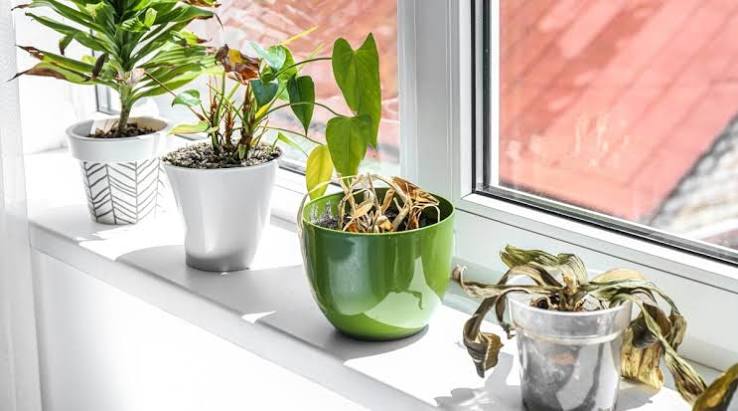
Is your favorite green baby looking crispy and sad? Learn the top signs of underwatered house plants and exactly how to revive them safely.
Clear Signs of Underwatered House Plants and How to Revive Them
Look, I get it, plant care can be frustrating but you should not feel guilty if life got busy and you forgot to water your green roommates for a few weeks. Between juggling work, a social life, and everything else on your plate, it is completely normal to occasionally forget your watering routine. Here is the real talk: your plants are a lot more resilient than you think, especially when it comes to a lack of water.
Overwatering gets a lot of press for being an instant plant killer, but leaving your indoor jungle completely parched can do a real number on their health too. If your staring at a droopy, sad vine and wondering if you have crossed the line from a forgetful routine into dangerous neglect, we are here to help.
At LeafCare.xyz, we are all about providing judgment-free, practical advice to help everyday plant parents keep their indoor spaces thriving. Let’s look closely at the definitive signs of underwatered house plants, how to tell them apart from other issues, and the step-by-step proccess to rehydrate your soil effectively.
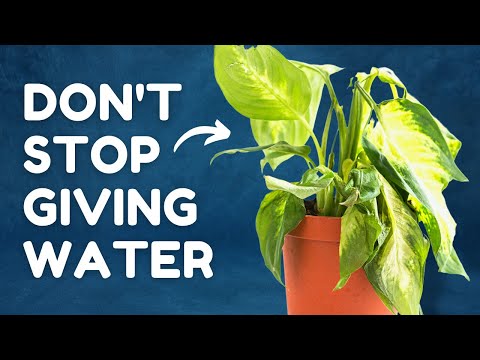
The Top Signs of Underwatered House Plants
When a plant runs out of moisture in its potting mix, it goes into survival mode. It will stop growing, pull resources away from its oldest leaves, and try to preserve whatever water it has left in its core. Because plants can’t scream when they are thirsty, they rely on physical tells to grab your attention.
1. Wilting and Drooping Stems
This is the classic cry for help. When plant cells are full of water, they expand and create something called turgor pressure, which holds the stems and leaves upright. When the soil runs dry, the cells deflate, causing the entire plant to slump over. If your pothos, peace lily, or fittonia looks completely deflated, it is highly likely a cry for moisture.
2. Crispy, Brown Leaf Tips and Edges
If your plant’s leaves are developing dry, paper-like brown edges or crunchy tips, the roots are struggling to transport water all the way to the extremities. This is very common in moisture-loving varieties that lack a thick protective cuticle layer on their foliage.
3. Crunchy, Yellowing Oldest Leaves
When water becomes scarce, the plant makes a strategic decision to sacrifice its older, lower leaves to save the fresh new growth at the top. These bottom leaves will fade to a pale yellow, turn completely dry and brown, and eventually fall off the stem at the slightest touch.
4. Soil Pulling Away from the Pot Edge
Take a look at the actual dirt. When peat moss or coco coir dries out completely, it shrinks in volume. You will notice a visible gap forming between the soil ball and the inside wall of your planter. If you can shake the pot and the entire root ball rattles around inside, your plant is severely dehydrated.
5. The Feather-Light Pot Test
This is the easiest way to double-check yourself. Pick up the container. When soil is completely devoid of water, it loses a massive amount of its weight. If your ceramic or plastic pot feels light as a feather when you lift it, the moisture reserves are completely depleted.
Is It Thirsty or Drowning? Telling the Difference
One of the trickiest parts of plant parenting is that a drowning plant can look remarkably similar to an underwatered one. Why? Because dead, rotted roots from overwatering can no longer absorb moisture, leaving the top of the plant dehydrated.
Before you grab your watering can and accidentally make a bad problem worse, use this comparison table to properly diagnose your houseplant’s true condition.
| Symptom Tracker | Underwatered House Plants | Overwatered House Plants |
| Soil Texture | Dry, dusty, crusty, shrunk away from edges | Wet, muddy, soggy, or covered in green moss |
| Leaf Texture | Thin, crispy, brittle, paper-like | Soft, limp, mushy, or blistered |
| Pot Weight | Incredibly light, easy to lift | Heavy, dense, retains water weight |
| Leaf Shedding | Lower leaves turn brown and crunchy before dropping | Green or yellow leaves turn mushy and drop rapidly |
| Pot Aroma | Earthy, dusty, or completely odorless | Sour, rotten, smelling like a swamp or sulfur |
Step-by-Step Guide to Rehydrating a Severely Dry Plant
If you have confirmed that your plant is indeed suffering from extreme thirst, you might be tempted to just pour a glass of water over the top and walk away. Don’t do that.
When soil dries out completely, it becomes hydrophobic—meaning it literally repels water. If you pour water from the top, it will just run down the gaps along the inside of the pot and drain out the bottom without actually absorbing into the root ball. To fix this, you need to use a method called bottom watering.
Step 1: Clean Up the Foliage
Before you give your plant a bath, use a clean pair of shears to snip off any completely dead, brown, or crunchy leaves. These leaves cannot photosynthesize or recover, so removing them allows the plant to focus all its newly acquired energy on rebuilding its healthy structures.
Step 2: Prepare a Rehydration Station
Find a sink, a bathtub, or a large plastic basin and fill it with a few inches of lukewarm water. Never use ice-cold water, as shocking the dry, vulnerable root system with freezing temperatures can cause immediate root damage or leaf drop.
Step 3: Submerge the Bottom of the Pot
Place your thirsty houseplant directly into the basin of water. The water level in the tub should come up to about one-third or halfway up the side of the plant pot. Ensure your pot has drainage holes at the bottom so the water can actually enter.
Step 4: Let It Drink (The Capillary Effect)
Leave the pot in the water for 30 to 45 minutes. Through a natural proccess called capillary action, the dry soil will slowly draw water upward like a sponge. Keep an eye on it—you’ll know it’s fully cooked when the top surface of the soil looks and feels damp to your touch.
Step 5: Drain and Return to Its Spot
Lift the pot out of the water basin. It should feel significantly heavier now. Let it sit in the sink or on a drainage rack for 15 to 20 minutes to allow all the excess, unabsorbed water to run out completely. Once it stops dripping, return it to its usual saucer in its designated living space. Within 24 hours, you should see the stems perk back up and the leaves look plump and firm again.
Long-Term Tips to Prevent Dehydration Stress
While your plants can survive an occasional dry spell, chronic underwatering stunts their growth, ruins their variegation, and leaves them highly susceptible to pests like spider mites, who absolutely love warm, dry conditions.
Moving forward, consider upgrading your setup to help protect your collection from a busy lifestyle. Incorporating a chunkier potting mix that contains vermiculite can help retain moisture safely without suffocating the roots. You can also explore self-watering planters or terracotta watering spikes that slowly release moisture into the soil over a week or two.
Additionally, avoid applying any synthetic or organic fertilisar to a dehydrated plant. Applying plant nutrients to bone-dry soil will instantly burn the delicate root hairs, making it even harder for the plant to absorb moisture in the future. Always make sure your soil is fully hydrated before adding any plant food to your routine.
Partner with LeafCare for a Gorgeous Green Space
Growing an indoor jungle should be an enjoyable, relaxing hobby, not a source of constant anxiety. Recognizing the clear signs of underwatered house plants is a massive step toward becoming a more intuitive, confident caretaker.
Whenever you are dealing with a crispy leaf, a stubborn pest infestation, or light dilemmas, treat LeafCare.xyz as your go-to resource for helpful, supportive advice. We believe that with the right guidance, anyone can successfully grow a beautiful, thriving oasis inside their home.
Have you ever saved a completely crispy plant? Drop a comment below and share your best recovery stories or let us know your current plant questions—our expert team reads and answers every single comment! Don’t forget to bookmark LeafCare.xyz and subscribe to our weekly newsletter to get professional indoor gardening advice delivered straight to your inbox.
