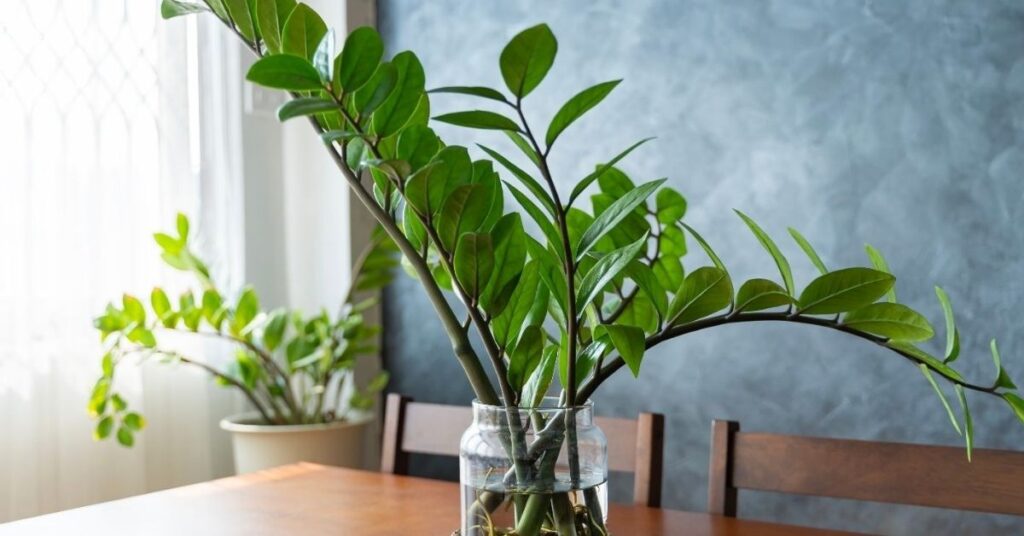
Master our ultimate ZZ plant care guide low light edition. Learn how to keep your Zamioculcas zamiifolia thriving in dim rooms with zero stress!
ZZ Plant Care Guide Low Light: The Ultimate Strategy for Dark Corners
Let’s be honest for a second. We don’t all live in sprawling, sun-drenched lofts with floor-to-ceiling windows. Most of us are dealing with dark apartments, basement flats, or cozy bedrooms where the only window faces a brick wall. If you try to put a trendy fiddle leaf fig in a room like that, it will drop its leaves and die before you can even upload it to your grid.
But that doesn’t mean your doomed to a life without plants. Enter the ultimate champion of dark spaces: the ZZ Plant (Zamioculcas zamiifolia). With its deep green, ultra-glossy leaves that look like they’ve been buffed with wax, this plant is practically indestructible. It is the closest thing to a plastic plant you can get, except it actually grows and cleans your indoor air.
Look, I get it, plant care can be frustrating but finding a green buddy that thrives in dim rooms doesn’t have to be a guessing game. Here is the real talk: the ZZ plant doesn’t just tolerate dark areas—it excels in them if you know the basic ground rules.
As a senior indoor gardening expert here at LeafCare.xyz, I have used these plants to breathe life into windowless offices and gloomy hallways. Today, we are diving deep into this specialized ZZ plant care guide low light edition so you can confidently green up those tricky, sun-deprived corners of your home.
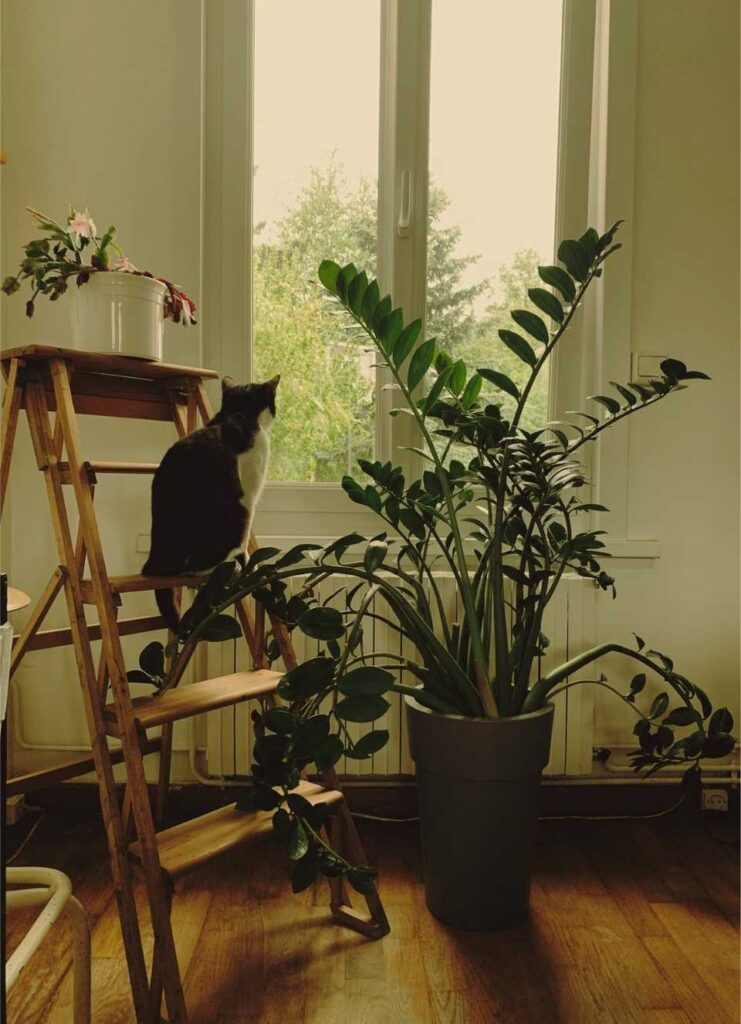
ZZ Plant Care: The Low-Light Cheat Sheet
When you shift a plant into a lower-light environment, its biological needs change dramatically. Bookmark this care dashboard to keep your dark-room setup perfectly balanced.
| Care Element | Low-Light Requirement | Signs of Trouble |
| Light Level | Low, ambient light; handles fluorescent office bulbs | Stems leaning aggressively toward the nearest light source |
| Watering | Extremely infrequent (Every 4 to 6 weeks) | Soft, mushy stems and yellowing leaves |
| Soil Mix | Fast-draining, gritty succulent blend | Dense soil that stays cool and wet for weeks |
| Temperature | 65°F to 75°F (18°C to 24°C) | Stunted growth or dropping leaflets if below 50°F |
| Humidity | Tolerates normal indoor humidity (30% to 50%) | Extremely rare to have humidity issues; very hardy |
| Feeding | Low-dose fertilisar once a year in mid-summer | Fertilizer burn or weak, pale, spindly growth |
The Science of Why ZZ Plants Rule Low-Light Rooms
To truly understand how this plant thrives in the shadows, we need to take a quick trip to its native habitat. ZZ plants are native to the dry grassland regions and forest floors of East Africa. In the wild, they spend a lot of time shaded by larger trees and coping with long periods of severe drought.
To survive these tough conditions, the ZZ plant evolved a secret weapon beneath the soil: rhizomes. These look exactly like thick, potato-like bulbs. These rhizomes act as internal underground water reservoirs, storing moisture for a rainy day—or rather, a non-rainy month.
Because they hold onto their water and nutrients so efficiently, they don’t need a massive amount of solar energy to fuel their daily metabolic proccess. When you place a ZZ plant in a dim room, it simply slows down its growth rate and sips from its internal reserves, keeping its stunning glossy leaves pristine and green without skipping a beat.
The Number One Secret to Low-Light Success
If you take away nothing else from this ZZ plant care guide low light manual, let it be this: less light means less water.
When a plant sits in a bright window, sunlight accelerates photosynthesis, causing the plant to consume water rapidly. In a low-light room, photosynthesis slows down to a crawl. Your ZZ plant will use barely any water at all.
If your watering a low-light ZZ plant every single week, you are setting it up for an early grave. The soil will remain a damp, cold marsh, causing those beautiful potato-like rhizomes to rot and turn into mush. For a low-light ZZ plant, you should actively expect to water it only once a month, or even once every six weeks during the winter.
Step-by-Step Guide to Potting and Managing a Low-Light ZZ Plant
Setting up your plant correctly is the key to preventing root rot in dark rooms. Follow this step-by-step routine to give your ZZ plant the absolute best start in its new dim home.
Step 1: Choose a Well-Drained, Properly Sized Vessel
Never pot a low-light plant in a container that lacks a drainage hole. Period. Excess water absolutely must have an escape route. I highly recommend using a terra cotta pot, as the porous clay pulls excess moisture out of the soil. Make sure the pot isn’t too large; a pot that is too big holds onto a mountain of extra soil, which retains unnecessary moisture.
Step 2: Mix an Ultra-Gritty, Fast-Draining Soil Mix
Standard potting soils hold onto water like a sponge, which is a massive hazard in low light. Instead, blend your own specialized substrate. Mix 50% high-quality organic potting soil with 30% coarse perlite and 20% sand or pumice. This ensures that when you do water, the fluid flows straight through the pot instantly, leaving the soil damp but never heavy or waterlogged.
Step 3: Implement the “Check and Forget” Watering Method
Before you water, push a long wooden skewer or chopstick completely down to the bottom of the pot. Pull it out and inspect it. If you see any dark soil sticking to the wood, or if it feels cool to the touch, your plant is still fully hydrated. Leave it alone. Only when the chopstick comes out 100% dry and dusty from top to bottom should you take the plant to the sink and give it a thorough soak.
Step 4: Rotate for Symmetrical Growth
Plants naturally reach toward whatever light is available. In a dim room, your ZZ plant might slowly start to lean toward the distant window or doorway. To prevent it from looking lopsided, give the pot a quarter-turn every single time you water it. This ensures all sides get equal access to the ambient light, keeping the growth beautifully upright and symmetrical.
Maintenance and Troubleshooting in Dark Spaces
Once your setup is complete, keeping your ZZ plant happy requires very little physical effort, but keeping an eye out for minor changes will ensure its long-term health.
Cleaning and Polishing the Foliage
Because ZZ plant leaves have a natural, glossy sheen, they are absolute magnets for household dust. In a low-light room, your plant needs every single bit of ambient light it can get. A thick layer of dust acts like a curtain, blocking out the light. Once a month, take a soft microfiber cloth and gently wipe down each stem. Avoid using commercial leaf-shine products, which can clog the plant’s pores; pure water is all you need.
The Low-Light Feeding Routine
When you follow a ZZ plant care guide low light routine, you must remember that your plant is not building a massive amount of new tissue, so it needs very little fuel. Feeding it heavy doses of food will only result in chemical burns on the roots. Add a balanced liquid houseplant fertilisar diluted to quarter-strength just once a year, preferably in June or July when the ambient outdoor temperatures are warmest.
Decoding Yellowing Stems
If you notice a single leaf near the bottom of a stem turn yellow and fall off over time, don’t worry—that is just natural aging. However, if an entire stem turns yellow and begins to lean or feel soft at the base, your definitely overwatering. Immediately pull the plant from its pot and check the rhizomes. If they are firm, your fine—just let the plant dry out completely. If they are mushy and smell sour, trim away the rotten parts and repot into completely dry, gritty soil.
Welcome to the Greener Side of the Shadows
Embracing low-light gardening doesn’t mean compromising on style or vibe. The ZZ plant proves that you can grow a gorgeous, high-impact indoor jungle even if your space is structurally challenged in the sunlight department. Once you master the art of ignoring this plant and letting its soil dry completely, it will reward you with years of beautiful, architectural greenery.
Whenever you find yourself unsure about a new plant, a weird spot on a leaf, or how to handle a drafty room, remember that LeafCare.xyz is your go-to resource for indoor plant parents looking to grow a thriving green space at home. We believe that everyone deserves a little slice of nature inside, no matter their lighting situation.
If this low-light guide gave you the confidence to tackle that dark corner of your room, make sure to bookmark LeafCare.xyz so you can reference our care summaries whenever your expanding your plant collection. Want a weekly delivery of practical, non-judgmental care tips, apartment styling ideas, and troubleshooting advice? Subscribe to our newsletter today! If your still looking at your dark corner trying to figure out if a ZZ plant will fit the space, drop a comment below with your room details and let’s map out your next plant win together!
