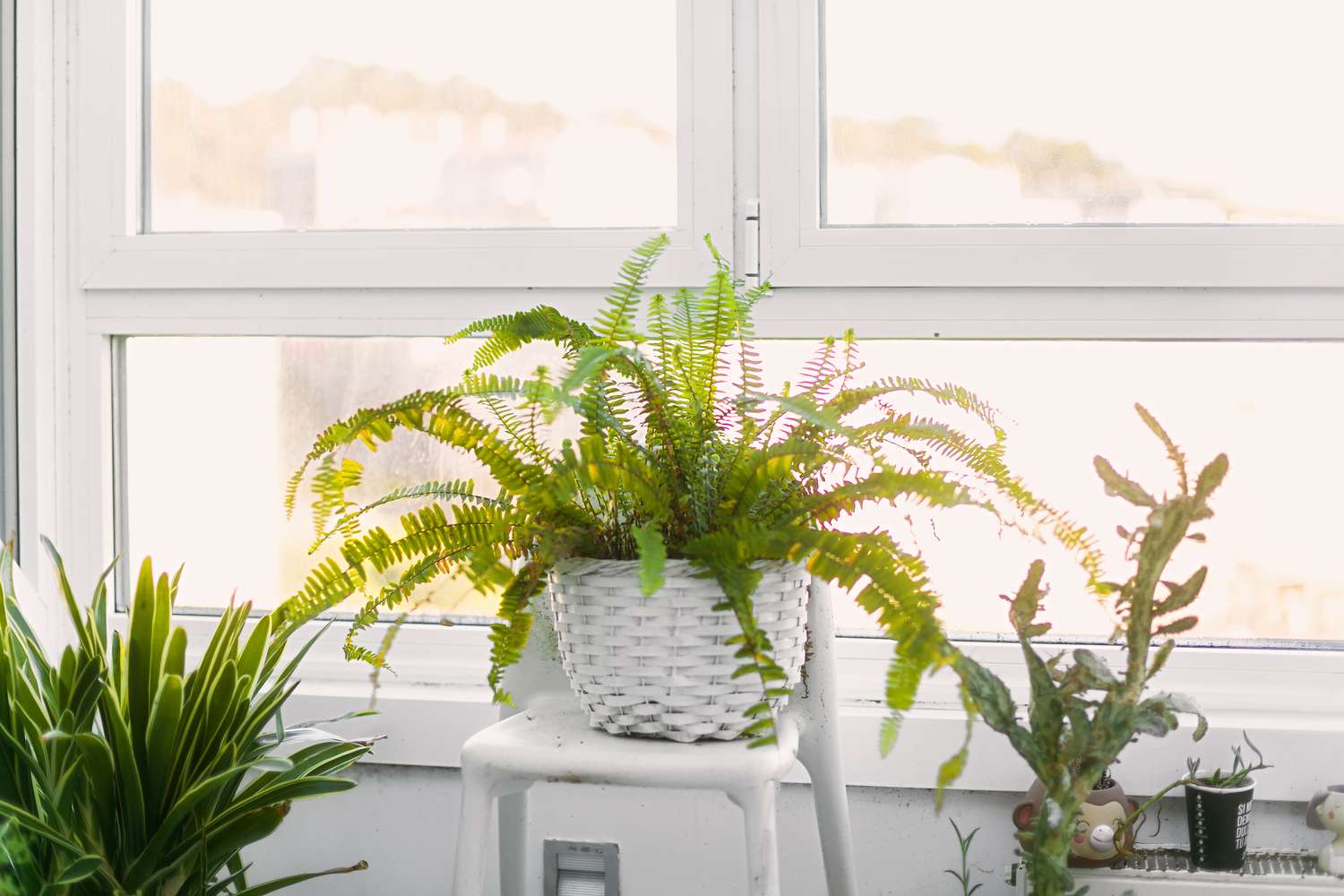
Cracking the code on how to keep indoor fern alive. Stop the crispy leaf shedding and learn the exact tricks to keep your fern lush and green!
How to Keep Indoor Fern Alive: The Ultimate Guide to Crispy-Free Fronds
You bought an indoor fern because you wanted those lush, feathery, bohemian vibes in your apartment. Maybe it’s a classic Boston Fern hanging in your bathroom, or a delicate Maidenhair Fern sitting elegantly on your bedside table. They look absolutely stunning when you bring them home from the nursery—vibrant, bouncy, and full of life.
But then, a week passes. Suddenly, your floor is covered in a crime scene of tiny, crunchy brown leaves. Every time you breathe near the plant, it sheds. You water it, it sheds. You don’t water it, it sheds faster.
Look, I get it, plant care can be frustrating but ferns have an unfair reputation for being absolute drama queens. Here is the real talk: you don’t need a degree in horticulture to crack the code on how to keep indoor fern alive. You just need to realize that ferns operate on a completely different wavelength than your succulents or snake plants. They are ancient plants that evolved on damp, shadowy forest floors, and they have zero tolerance for dry apartment air.
As a senior indoor gardening expert here at LeafCare.xyz, I have managed to keep some of the finckiest ferns alive through harsh winters and dry summers. Today, we are going to break down the exact strategies you need so you can stop sweeping up dead fronds and start growing a massive, thriving indoor canopy.

Indoor Fern Care: The Ultimate Survival Dashboard
If your fern is currently dropping leaves and you need an immediate intervention, check out this quick-care cheat sheet.
| Environmental Factor | What Your Fern Craves | The Warning Signs |
| Light Level | Medium to bright indirect, dappled shade | Bleached, yellowing fronds (Too bright); Thin, sparse growth (Too dark) |
| Watering Routine | Consistently moist soil (Like a wrung-out sponge) | Fronds turning crisp brown (Too dry); Mushy, yellow base stems (Overwatered) |
| Humidity Level | High humidity (50% to 70% or higher) | Leaflets shedding instantly, crunchy edges on new growth |
| Soil Blend | Rich, organic matter mixed with drainage elements | Heavy water logging or dry peat moss that shrinks from pot edges |
| Feeding Diet | Low-strength liquid fertilisar monthly in summer | Fertilizer burn (Brown tips, stunted root development) |
The Fern Philosophy: Mimicking the Forest Floor
To successfully master how to keep indoor fern alive, you have to mentally transport yourself to their natural habitat. Ferns don’t live in open deserts or sunny fields. They live under the thick canopy of massive jungle trees. This tells us three critical things about their biology: they hate direct sunlight, they love consistent moisture, and they absolutely depend on high humidity.
The Myth of the “Low-Light” Plant
A lot of big-box nurseries stick a label on ferns calling them “low-light plants.” This causes new plant parents to stick them in windowless bathrooms or dark hallways.
Let’s clear this up: ferns love shade from direct sun, but they still need ambient light to photosynthesize. If your plant is stuck in a dark room, its growth will stall, and it will slowly drop its lower fronds because it doesn’t have enough energy to maintain them. Aim for a spot that gets plenty of bright, indirect light—like a foot away from a north-facing window or a few feet back from an east-facing window.
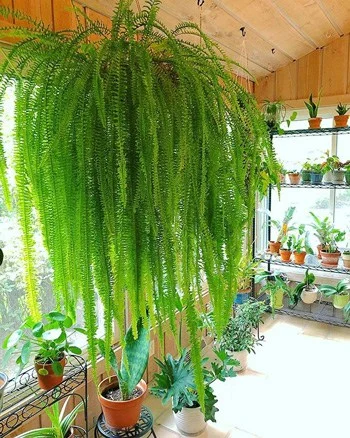
The Humidity Crisis
Your average apartment has a humidity level of about 30%. To an indoor fern, that feels like a literal desert. When the air is too dry, moisture evaporates out of those tiny, delicate fronds faster than the roots can drink it up. This is the primary reason why indoor ferns turn into crispy sticks within a month of buying them.
Step-by-Step Guide to Hydrating and Potting Your Fern
If your trying to figure out how to keep indoor fern alive, your potting setup and watering technique will make or break your success. Follow this exact step-by-step proccess to give your plant the tropical foundation it desperately needs.
Step 1: Select a Moisture-Retaining Pot
While succulents love breathable terra cotta, ferns actually prefer plastic or glazed ceramic pots. Why? Because terra cotta wicks moisture out of the soil rapidly, causing it to dry out too quickly for a moisture-loving fern. Just make absolutely sure your plastic or ceramic pot has functional drainage holes at the bottom.
Step 2: Create a Spongy Soil Mix
Ferns need a soil mix that stays damp but never turns into heavy, oxygen-deprived mud. If the roots sit in stagnant water, they will rot instantly. Build a rich, airy blend using this simple recipe:
- 50% Standard indoor potting soil
- 30% Peat moss or coco coir (to hold gentle moisture)
- 20% Perlite or vermiculite (to keep the mix aerated and draining well)
Step 3: Master the “Never Dry, Never Soggy” Balance
When you water your fern, pour water thoroughly over the soil until it runs out of the drainage holes. Here is the trick: do not wait for the soil to dry out completely before watering again. Instead, check the soil every few days. The moment the very surface of the soil feels like it’s losing its dampness, water it again. The soil should always feel like a well-wrung-out sponge.
Step 4: Elevate the Ambient Humidity
Since you can’t turn your entire living room into a foggy rainforest, you need to create a localized microclimate around your fern. You can do this by using a small humidifier placed right next to the plant, or by creating a pebble tray. Fill a shallow tray with pebbles, pour water just below the top of the stones, and rest your pot on top. As the water evaporates, it creates a constant bubble of humidity right around the leaves.
Troubleshooting Common Fern Meltdowns
Even with the best intentions, you might run into a few structural issues. Don’t worry—most ferns are surprisingly resilient at rebuilding themselves if you fix the environmental trigger.
What should I do if my fern is dropping green leaves?
If the leaves falling off are still green and flexible, your likely dealing with a sudden environmental shock or severe underwatering. Did you recently move the plant to a new room? Did it sit in the path of a cold air conditioning draft? Move it to a stable, draft-free location and make sure the soil is consistently damp.
Why are the inner fronds turning yellow and dying?
If the center or base of the fern is turning yellow and mushy, your definitely overwatering. If the soil stays waterlogged for too long, the roots shut down from rot. Stop watering immediately, ensure your pot is draining properly, and let the top inch of soil dry out slightly to let the roots breathe.
How do I handle a completely crispy fern?
If you forgot to water your plant for a week and it looks completely dead and crunchy, don’t throw it in the trash just yet. Take a pair of clean scissors and cut all the dead, brown fronds right down to the soil line. Keep watering the remaining bare soil bundle normally and place it in a high-humidity spot. In a few weeks, you’ll often see tiny, bright green fiddleheads uncurling from the center of the dirt.
Grow with Total Confidence
Learning how to keep indoor fern alive is all about shifting your mindset away from low-maintenance desert plants and embracing the damp, cozy rhythm of the forest floor. Once you get a feel for their humidity and watering balance, watching those delicate fronds uncurl is one of the most rewarding experiences an indoor gardener can have.
Whenever you feel stuck, notice weird spots on your leaves, or need help picking your next green roommate, remember that LeafCare.xyz is your go-to resource for indoor plant parents looking to grow a thriving green space at home. We are dedicated to providing clear, judgement-free support for every step of your plant journey.
If this survival guide helped save your feathery friend, make sure to bookmark LeafCare.xyz so you can reference our care summaries whenever your plants start acting up. Want a weekly breakdown of easy plant care hacks, propagation secrets, and troubleshooting advice delivered straight to your inbox? Subscribe to our newsletter today! If your still staring at your crunchy fern trying to figure out if it can be saved, drop a comment below with your current setup details, and let’s fix it together!
