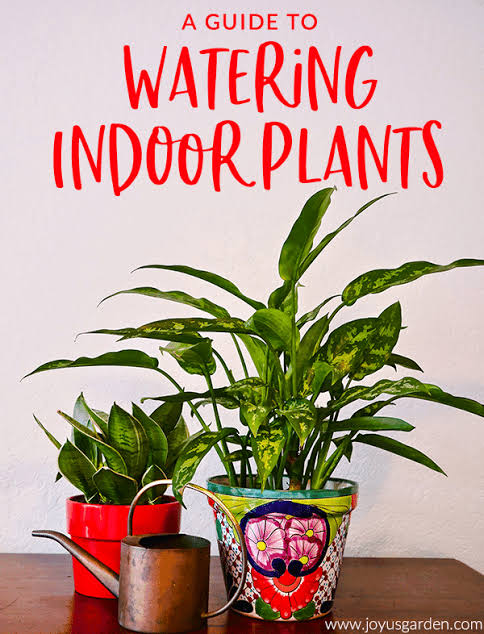
Confused about how often to water indoor plants in winter? Learn the signs of winter thirst and how to adapt your watering routine today.
How Often to Water Indoor Plants in Winter: The Ultimate Cold-Weather Guide
Look, I get it, plant care can be frustrating but nothing tests your confidence quite like the changing of the seasons. You finally mastered your summer watering routine, your Monstera was pumping out massive leaves, and your Pothos was trailing down the bookshelf like a glorious green waterfall. Then, winter hits, the days get shorter, and suddenly your go-to schedule stops working. The leaves start dropping, the soil stays wet for weeks, and you find yourself panicking.
Here is the real talk: winter is the danger zone for houseplants. More indoor plants die between November and February than during any other time of the year, and almost all of those deaths are caused by well-meaning plant parents overwatering their babies.
If you are currently holding a watering can and wondering how often to water indoor plants in winter, you are in exactly the right place. At LeafCare.xyz, we are your trusted resource for keeping your green space alive, happy, and thriving all year long. Let’s break down exactly how winter changes your plant’s biology and how you can adjust your care routine without losing your mind.

Why Winter Changes Everything for Your Houseplants
To understand how your watering routine needs to shift, we have to look at what is happening to your plants on a biological level during the colder months. Indoor plants are mostly tropical natives, meaning they evolved in environments that stay warm and bright year-round. When they live inside our homes during the winter, they experience a dramatic shift in their environment.
The Slowdown of Photosynthesis
The biggest factor dictating how much water your plant needs is light. During winter, the sun sits lower on the horizon, the days are significantly shorter, and the light intensity drops by as much as 50% or more. Because light is the fuel for photosynthesis, a lack of light means your plants drastically slow down their growth. Many houseplants go completely dormant or semi-dormant. If a plant isn’t actively growing new leaves or roots, it simply does not consume much water.
Slower Evaporation Rates
In the summer, warm air and active growth cause plants to pull moisture out of the soil rapidly through a proccess called transpiration (how plants sweat). At the same time, warm temperatures evaporate water directly from the surface of the soil. In winter, lower indoor temperatures mean the soil stays wet for significantly longer. If you keep watering on your summer schedule, you will end up drowning the roots in stagnant, freezing water.
Signs Your Plant Needs Water vs. Signs of Overwatering
Because winter air can be incredibly dry due to indoor heating, it can confuse plant parents. Sometimes, dry air makes a plant look sad, leading people to think the soil is dry when it is actually waterlogged underneath.
Before you pour, learn to read the specific distress signals your plant is throwing out.
- Winter Thirst (Underwatering): The soil is completely dry from top to bottom, the pot feels incredibly light when you pick it up, and the leaves look slightly wrinkled, crisp at the edges, or droop uniformly.
- Winter Drowning (Overwatering): The soil is damp or muddy, the base of the stems feel soft or mushy, leaves turn a pale, washed-out yellow and drop off easily, or you notice a sudden explosion of tiny fungus gnats flying around the pot.
Winter Plant Care: Quick Reference Chart
Different plant families handle the winter slowdown in completely different ways. Use this quick guide to categorize your collection before adjusting your routine.
| Plant Group | Common Examples | Summer Watering Frequency | Estimated Winter Watering Frequency | Soil Check Before Watering |
| Aroids & Tropicals | Monstera, Pothos, Philodendron | Every 5-7 days | Every 14-21 days | Dry down 2-3 inches |
| Succulents & Cacti | Jade, Aloe Vera, Snake Plant | Every 10-14 days | Every 4-6 weeks | 100% dry throughout the pot |
| Moisture Lovers | Calathea, Ferns, Fittonia | Every 3-4 days | Every 7-10 days | Surface dry, slightly damp below |
| Fleshy Trees | Fiddle Leaf Fig, Rubber Plant | Every 7 days | Every 14-28 days | Dry top half of the potting mix |
Step-by-Step Guide to Mastering Winter Watering
Forget about using a calendar to decide when it’s time to irrigate. Relying on fixed schedules in December is how root rot happens. Instead, follow this step-by-step diagnostic method developed by the experts at LeafCare.xyz to determine exactly when your indoor jungle needs a drink.
Step 1: The Weight and Finger Test
Before you touch your watering can, get up close and personal with your pot. Push your index finger down into the soil mix up to your second knuckle. If you feel any cold moisture or stickiness, walk away. Your plant doesn’t need water. For larger pots, pick up the container. With a little practice, you’ll instantly know your plant is thirsty just by how light the pot feels when the water has fully evaporated.
Step 2: Check with a Wooden Chopstick
If your unsure whether the bottom of the pot is still wet, use an old wooden chopstick or a bamboo skewer. Push it deep into the soil mix all the way to the bottom of the container, leave it for ten seconds, and pull it out. If it comes out dark with wet dirt clinging to it (just like baking a cake), the bottom roots are still submerged in moisture. If it comes out completely clean and dry, it is safe to water.
Step 3: Use Lukewarm Water Only
When your testing shows a plant is genuinely dry, head to the sink but pay close attention to the temperature. Never use ice-cold tap water in the winter. Pouring freezing water onto the roots of a tropical plant shocks the entire system and can cause root death or immediate leaf drop. Run the tap until the water feels room temperature or slightly lukewarm to the touch before filling your watering can.
Step 4: Water Thoroughly but Drain Completely
Pour the lukewarm water slowly over the surface of the soil until it begins to trickle out of the drainage holes at the bottom of the pot. This ensures that the entire root ball gets evenly hydrated. However, here is the golden rule: never let your pot sit in the runoff water inside its saucer. In the winter, sitting in stagnant water for even a day can trigger root rot. Wait 15 minutes for the pot to finish dripping, then empty the saucer completely.
Hidden Winter Factors: Heating, Humidity, and Light
Adapting how often to water indoor plants in winter isn’t just about the soil; it’s also about managing the dry climate created by artificial heating systems.
The Radiator Trap
If you have plants sitting directly above a heating vent, a radiator, or near a fireplace, the soil in those specific pots will dry out much faster than plants sitting on a windowsill across the room. Keep an eye on these spots, as they can experience a localized microclimate that mimics summer evaporation rates, requiring more regular watering checks.
The Humidity Crisis
Most houseplants thrive in 50% to 60% humidity. In the winter, running your home heater drops indoor humidity down to desert-like levels (often below 20%). This dry air causes rapid moisture loss from the leaves, leading to crispy brown tips on your gorgeous tropicals. To fix this without overwatering the soil, group your plants closely together to create a natural humidity bubble, run a dedicated humidifier nearby, or place your pots on trays filled with pebbles and water.
Hold the Fertilisar
Because your plants are slowing down and taking a winter rest, they do not need additional nutrients. Stop applying any liquid or granular fertilisar around late October and do not feed them again until you see the first signs of fresh spring growth in March. Adding plant food to a dormant plant can burn the resting roots and ruin the soil chemistry.
Keep Your Indoor Jungle Thriving with LeafCare
Learning how often to water indoor plants in winter is one of the most important milestones in your plant parent journey. It requires tuning out rigid rules and tuning into what your plants are actually telling you. Once you adjust your habits to match the natural rhythm of the changing seasons, you will notice your collection becomes incredibly resilient.
Whenever you find yourself stressed out by a yellowing frond, a mysterious spot, or an annoying pest outbreak, treat LeafCare.xyz as your ultimate online plant manual. We believe that with a little patience and the right expert guidance, anyone can cultivate a vibrant, thriving indoor oasis at home.
How are your houseplants holding up this season? Drop a comment below and let us know which of your plants is looking a little sad this winter—our expert team reads and replies to every single question! Don’t forget to bookmark LeafCare.xyz and subscribe to our weekly newsletter for the ultimate seasonal indoor gardening hacks delivered straight to your inbox.
