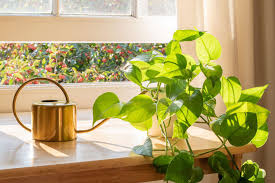
Wondering how often to water pothos indoor plant? Learn the exact signs your plant is thirsty and how to avoid the deadly mistake of overwatering.
How Often to Water Pothos Indoor Plant: The Ultimate Guide to Perfect Hydration
If you own an indoor plant, chances are it’s a Pothos. Maybe it’s a classic Golden Pothos cascading off your bookshelf, or a moody Marble Queen trailing beautifully across your curtain rod. They are gorgeous, they grow like absolute weeds, and they are famously dubbed the “gateway drug” of the houseplant world.
But even the most resilient plants have an Achilles’ heel. For the Pothos, it’s the watering can. One week you forget it exists, and the next week you pour water into it every single day out of pure guilt. Then you see a yellow leaf, the stems start looking limp, and you find yourself panicking.
Look, I get it, plant care can be frustrating but mastering your watering routine doesn’t require a miracle. Here is the real talk: your Pothos doesn’t need a strict, rigid calendar schedule. It needs you to listen to what it’s trying to tell you.
As a senior indoor gardening expert here at LeafCare.xyz, I have grown miles of vines and rescued plenty of drowning plants. Today, we are going to crack the code on exactly how often to water pothos indoor plant so you can ditch the guesswork and water with total peace of mind.
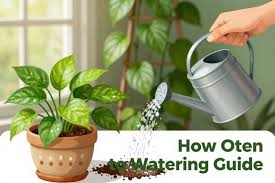
Pothos Hydration: Quick Care Summary
Before we jump into the environmental factors that change your watering frequency, let’s look at a quick snapshot of what your Pothos wants versus what it’s screaming at you to stop doing.
| Soil Moisture Level | Plant Appearance | Action Required |
| Top 2-3 inches bone dry | Perky, crisp, glossy green leaves | Perfect time for a deep, thorough watering |
| Completely dry top to bottom | Drooping vines, soft leaves, slight curling | Thirsty! Give it a soak immediately |
| Soggy, wet surface soil | Yellowing lower leaves, mushy stems | Drowning. Stop watering and let it dry completely |
| Bone dry for months | Crispy brown leaf edges, shedding leaves | Severe dehydration. Needs a bottom-bath rescue |
The Golden Truth: Why a Fixed Schedule Fails
When people ask me exactly how often to water pothos indoor plant, they are usually hoping for an answer like “every Thursday morning.” If any blogger or nursery tells you that, run away.
A fixed calendar schedule doesn’t work because your apartment is a dynamic environment. Your plant’s thirst levels change constantly based on a handful of everyday variables:
- The Season: During spring and summer, your Pothos is actively pushing out new leaves and drinking fast. In the winter, it goes semi-dormant, meaning it barely drinks at all.
- Ambient Light: A plant sitting in bright indirect light photosynthesizes rapidly and uses up water quickly. The same plant moved to a dark hallway will hold onto its soil moisture for weeks.
- Pot Material: Terra cotta pots pull moisture out of the soil, making it dry faster. Plastic or ceramic pots trap moisture inside for much longer.
Instead of watering by the clock, your goal is to water when the soil tells you it’s ready. For a Pothos, the sweet spot is letting the top 2 to 3 inches of soil dry out completely before you even think about picking up the watering can.
Step-by-Step Guide to Perfect Pothos Watering
To make sure your plant gets the exact amount of moisture it needs without rotting the roots, follow this simple step-by-step proccess every single time.
Step 1: Perform the Physical Check
Never water a plant just by looking at the top of the soil. Take your index finger and push it deep into the dirt. If it feels cool, damp, or if dirt sticks to your skin, step away. If it feels dry, light, and dusty all the way down to your second knuckle, your ready to water. Alternatively, lift the pot. If it feels incredibly light, the moisture is gone.
Step 2: Take It to the Sink
Whenever possible, water your Pothos in the sink or the shower. This allows you to practice the “drench and drain” method. Pour lukewarm water evenly across the entire surface of the soil. Keep pouring until you see water flowing freely out of the drainage holes at the bottom of the pot. This ensures that every single root hair gets access to hydration.
Step 3: Let It Drain Completely
This is where many beginner plant parents make a critical mistake. After watering, let the plant sit in the sink for 15 to 20 minutes to drain. If your plant is inside a decorative cover pot or sitting on a saucer, make sure you empty out any pooled water after an hour. If the base of the pot sits in standing water, the bottom soil becomes a stagnant swamp, leading directly to root rot.
Step 4: Track and Adjust
Keep a mental note of how long it took for the soil to dry out. If your watering every 7 days in July, don’t be surprised if that stretches out to every 14 or 20 days come December. Trust your finger, not the calendar.
Decoding Your Pothos: Signs of Overwatering vs. Underwatering
Your Pothos is incredibly communicative. It will actively show you when it’s unhappy, but you need to know how to read the signals.
The Cry for Help: Underwatering
If you neglect your plant for too long, it will let you know by losing its structural turgor pressure (the water pressure inside the plant cells). The entire plant will look sad, limp, and completely deflated. The leaves might curl slightly inward, and the soil will pull away from the edges of the pot.
The good news? Pothos are dramatic. Give them a thorough deep soak, and within a few hours, those limp vines will perk right back up like nothing ever happened.
The Silent Killer: Overwatering
Overwatering is much more dangerous because by the time you see the symptoms, the damage beneath the soil is already done. When a Pothos is overwatered, its lower leaves will turn a bright, distinct yellow. The leaves might feel soft and limp, but the soil itself will still be damp. You might also notice small brown spots surrounded by yellow halos on the leaves.
If you see these signs and keep adding water, the stems will turn mushy at the base, indicating that the roots have completely rotted away and can no longer absorb nutrients.
Maintenance Hacks for a Healthier Routine
To optimize how often to water pothos indoor plant, you can tweak a few environmental factors to give yourself a wider margin for error.
Use the Right Soil Composition
If your Pothos is planted in heavy, dense garden soil, it will retain moisture for too long no matter how careful you are. Always use a well-draining indoor potting mix. I highly recommend mixing in a few handfuls of perlite and orchid bark to create air pockets in the soil. This helps the water flow through efficiently and keeps oxygen flowing to the root system.
Feeding During the Growing Season
When you water your plant, nutrients are naturally washed out of the soil over time. During the active growing months of spring and summer, add a balanced liquid houseplant fertilisar diluted to half strength into your watering can once a month. This gives your vines the raw fuel they need to grow those massive, trailing leaves we all love.
Keep Your Vines Thriving
At the end of the day, learning how often to water pothos indoor plant comes down to building a simple habit of observation. Don’t stress over a single yellow leaf, and don’t feel guilty if you miss a watering by a few days. These plants are built to adapt, and they will forgive you as you learn their rhythm.
Whenever you feel stuck, run into a pest issue, or wonder if your plant needs a bigger pot, remember that LeafCare.xyz is your go-to resource for indoor plant parents looking to grow a thriving green space at home. We treat plant care as a fun, relaxing journey, not a stressful chore.
If this guide helped clear up your watering confusion, make sure to bookmark LeafCare.xyz so you can access our quick-care dashboards whenever your checking your plants. For a weekly delivery of actionable care tips, plant styling ideas, and troubleshooting advice, subscribe to our newsletter today. Still trying to figure out if your Pothos is droopy from too much water or too little? Drop a comment below with your setup details, and let’s figure it out together!
