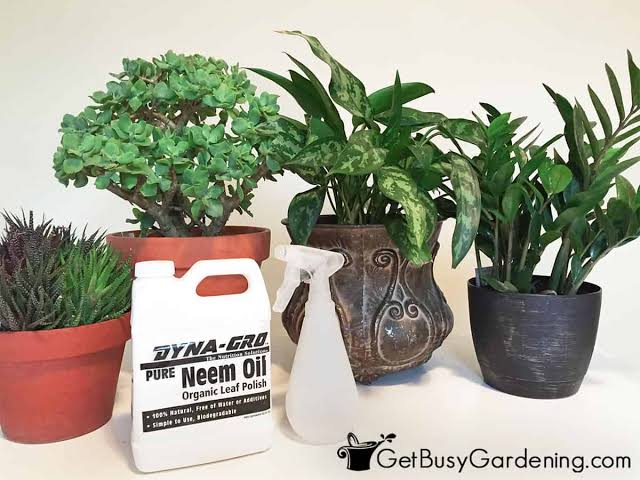
Learn how to use neem oil on indoor plants safely. Master the exact mixing ratios, emulsification tricks, and application steps to kill pests.
How to Use Neem Oil on Indoor Plants Safely
You are checking on your favorite plant baby over the weekend, maybe wiping down a leaf or two, when you spot them. A cluster of tiny, pale webbing in the crevices of your Alocasia, or a colony of microscopic bugs throwing a party on the underside of your favorite Calathea leaf. Your heart sinks into your stomach. Your space has been invaded.
Look, I get it, plant care can be frustrating but dealing with bugs like spider mites, thrips, or mealybugs can make you want to throw your whole collection right out the window. Before you panic and buy a heavy chemical spray that will leave your living room smelling like a science lab, let me introduce you to the holy grail of natural pest management: neem oil.
Neem oil is an incredible, organic weapon derived from the seeds of the neem tree (Azadirachta indica). It is non-toxic to humans and pets, yet it absolutely wreaks havoc on plant pests. But here is the real talk: if you do not apply it correctly, you can accidentally suffocate your foliage, burn your leaves, or end up with a sticky, separated mess inside your spray bottle.
At LeafCare.xyz, we are all about making plant parenthood as smooth and stress-free as possible. Today, we are walking you through exactly how to use neem oil on indoor plants safely so you can wipe out the bad bugs while keeping your urban jungle perfectly healthy.
The Science of Neem Oil: How It Actually Works
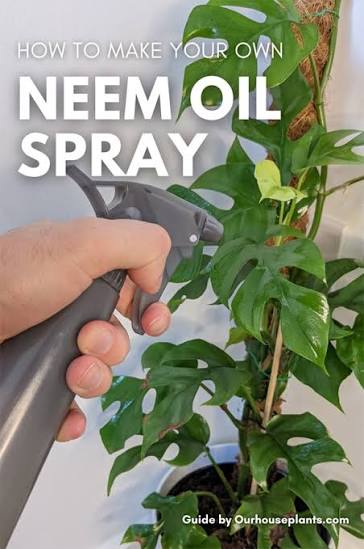
To understand why learning how to use neem oil on indoor plants safely is so important, you need to know what it does to insects. Neem oil contains an active compound called azadirachtin. This compound does not just kill bugs on contact like a chemical neurotoxin; instead, it behaves like an insect birth control and growth disruptor.
When an aphid, thrip, or mealybug feeds on a leaf sprayed with neem oil, they ingest the azadirachtin. The chemical confuses their hormonal systems, making them “forget” to eat, mate, fly, or molt into adults. Over a few days, the population completely collapses because they can no longer reproduce.
Additionally, the oily texture of the spray works mechanically by covering the breathing pores (spiracles) of active adult insects, suffocating them on contact. Because it works through both ingestion and contact, it is an absolute powerhouse for your indoor garden.
Choosing Your Neem Oil: Clarified Extract vs. Cold-Pressed
When you start browsing for neem oil online or at your local plant shop, you will quickly notice two distinct types of products. Choosing the right one determines how effective your pest control routine will be.
The table below breaks down the differences so you know exactly what to buy for your collection:
| Type of Neem Oil | Active Ingredient Levels | Best For | What You Need to Know |
| 100% Cold-Pressed Neem Oil | High (Rich in Azadirachtin) | Active infestations and heavy bug outbreaks | Raw, organic, and highly effective. Needs to be mixed manually with warm water and soap to break down. |
| Clarified Hydrophobic Extract | Low to None | Preventative shining and minor maintenance | Commercial ready-to-use sprays. The active pesticide compound is mostly removed, leaving just the suffocating oil. |
For a real, high-impact treatment, always opt for 100% raw, cold-pressed organic neem oil. It smells a bit earthy and sulfurous (almost like garlic and peanut butter mixed together), but that is how you know the active ingredients are fully intact and ready to protect your plants.
The Secret Ingredient: Emulsification
If you take raw neem oil and pour it straight into a spray bottle filled with water, what happens? The oil floats right to the top. Oil and water do not mix naturally, and if you spray that onto your plants, you will hit one leaf with pure, heavy oil (which will smother it) and the next leaf with plain water (which does nothing to the bugs).
To make the mixture uniform, you must introduce an emulsifier. A mild, pure soap breaks the surface tension of the oil, allowing it to dissolve smoothly into the water. Pure liquid Castile soap is our absolute favorite choice here at LeafCare.xyz because it is organic, plant-safe, and free of harsh synthetic degreasers that could damage tender leaf tissues.
Step-by-Step Guide: The Perfect Neem Oil Formula and Application
Follow this precise proccess to mix and apply your natural spray without shocking or burning your green space.
Step 1: Gather Your Supplies
To make one quart (four cups) of a standard 0.5% strength therapeutic spray, you will need:
- 1 quart of warm water (warm water helps the oil dissolve much faster than cold water)
- 1 teaspoon of raw, cold-pressed organic neem oil
- 1/3 teaspoon of pure liquid Castile soap (or a mild, scent-free dish soap)
- A clean spray bottle
Step 2: Mix the Solution Correctly
Do not drop everything into the bottle at once. First, pour your warm water into a mixing jar or your spray bottle. Next, add the Castile soap to the water and gently swirl it until it dissolves. Finally, pour in your neem oil. Secure the cap and shake the bottle vigorously until the liquid turns into a milky, uniform white emulsion.
Step 3: Conduct a Leaf Test
Before you go spraying your entire indoor garden, you need to verify that your specific plant variety can handle the treatment. Apply the spray to one single lower leaf and monitor it for 24 hours. If the leaf remains strong and green, your good to go. If it turns spotty or yellow, dilute your recipe with a bit more warm water.
Step 4: Coat the Whole Plant Thoroughly
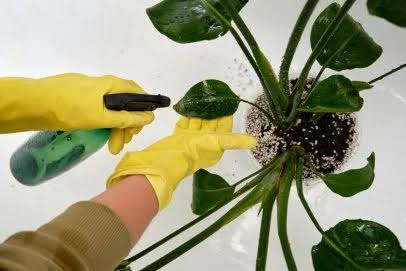
Pests love to hide where your not looking. Take your infected plant into the shower or out to a balcony. Spray the entire plant until the leaves are dripping wet. Be absolutely meticulous about coating the undersides of the leaves, the crevices where stems meet, and the base of the plant right at the soil level. Shake your spray bottle every minute or two during application to keep the oil from separating.
Step 5: Let It Dry and Repeat Regularly
Leave the plant to dry completely in a shaded area. Because neem oil works as a systemic disruptor rather than an instant chemical destroyer, you will need to repeat this application once every 7 days for three to four weeks to successfully catch every generation of hatching larvae.
Critical Safety Mistakes to Avoid
Even though neem oil is completely natural, it is still a powerful treatment. Avoid these three common pitfalls to keep your plants out of danger:
First, never expose a freshly sprayed plant to direct sunlight or strong LED grow lights. The oily coating on the leaves acts like a magnifying glass. If intense light hits the wet oil, it will cause severe leaf scorch and permanent cosmetic damage. Always apply your treatments in the evening or move your plants to a dark room while they dry.
Second, avoid using old mixtures. Once neem oil is mixed with water, the active azadirachtin compound begins to break down and loses its potency within 24 hours. Only mix what you plan to use that day, and discard any leftovers.
Finally, check your fertilisar schedule. Plants dealing with heavy pest pressures are already stressed out. Avoid adding heavy bursts of nitrogen fertilizer while treating for bugs, as this triggers a flush of ultra-soft, sugary new leaf growth that actively draws more pests right back to the plant.
Cultivate a Pest-Free Indoor Jungle
Waking up to a pest issue can feel disheartening, but it is a normal part of the journey toward becoming an experienced, confident plant parent. By mastering organic remedies like neem oil, you can confidently protect your urban jungle while keeping your living space safe, clean, and chemical-free.
If you found this guide helpful, make sure to bookmark LeafCare.xyz so you always have reliable, expert-backed plant care strategies at your fingertips. Want practical, bite-sized plant tips delivered directly to your inbox every week? Subscribe to the LeafCare newsletter today!
If you are dealing with a stubborn bug infestation or have a question about mixing your solution, drop a comment below—our community of plant experts is always ready to jump in and help you troubleshoot!
