Want fresh air but have zero sunlight? Discover the best low light indoor plants that clean the air and learn exactly how to style and grow them.
Top Low Light Indoor Plants That Clean the Air for Your Apartment
Let’s be entirely real for a second: most of us do not live in a sun-drenched, floor-to-ceiling glass penthouse surrounded by a perfectly misted botanical oasis. Instead, we are dealing with ground-floor apartments, north-facing bedroom windows that get approximately five minutes of weak morning sun, or office cubicles that rely entirely on the harsh glow of fluorescent overhead tubes.
If you have ever brought home a beautiful, sun-loving succulent only to watch it stretch out, lose its color, and drop dead three weeks later because your living room is basically a cave, look, I get it. Plant care can be frustrating but choosing the wrong plant for your lighting reality is a trap that almost every single beginner falls into.
But here is the good news: you do not need to give up your dream of a lush, thriving urban jungle just because your apartment is dim. In fact, there is an entire category of resilient, shadow-loving greenery that will not only survive in your darkest corners but will also actively scrub your indoor environment of hidden toxins. Today, we are breaking down the absolute best low light indoor plants that clean the air, giving you a breath of fresh air—literally—without requiring a single beam of direct sunlight. At LeafCare.xyz, we want to help you build a stunning, health-boosting indoor garden that actually fits your lifestyle. Let’s dive into the real talk about how these leafy overachievers work.
The Science of Air-Purifying Houseplants
You might be wondering how a living thing can clean your air while tucked away in a dark hallway. It all comes down to a mix of botanical respiration and the microbes living in the potting soil. Indoor spaces are notoriously prone to accumulating Volatile Organic Compounds (VOCs)—invisible gases emitted by everyday household items like synthetic carpets, paint, couch fabrics, cleaning sprays, and even your favorite scented candles. Common offenders include benzene, formaldehyde, xylene, and trichloroethylene.
When your plants photosynthesize and breathe, they absorb these airborne toxins through microscopic pores on their leaves, known as stomata. The plant breaks down these compounds and moves them down to the root system, where beneficial soil bacteria consume and neutralize them for good.
While a single plant won’t replace a heavy-duty HEPA air purifier, building a collection of these green air scrubbers dramatically lowers your toxic load while flooding your space with fresh oxygen. And when you pick varieties that thrive in low light, you get all those wellness benefits without the stress of managing intense light schedules.
The Best Low Light Air-Cleaners At a Glance
To make your next trip to the local plant nursery completely stress-free, here is a quick overview table of our absolute favorite low light indoor plants that clean the air, along with their key care metrics.
| Plant Name | Common Toxins Filtered | Toxic to Pets? | Growth Habit | Secret Superpower |
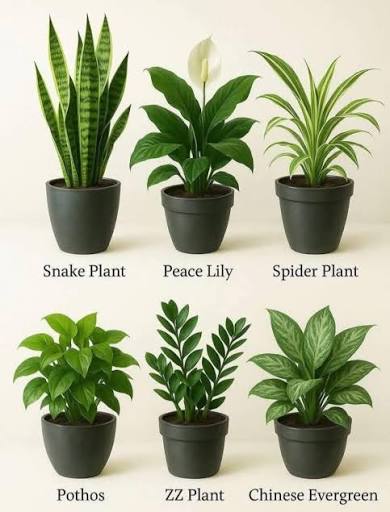
| Snake Plant (Sansevieria) | Benzene, Formaldehyde, Xylene | Yes | Upright, structural architectural leaves | Releases oxygen at night, perfect for bedrooms. |
| ZZ Plant (Zamioculcas zamiifolia) | Xylene, Toluene, Benzene | Yes | Arching stems with glossy, dark green leaflets | Can go a month without water without flinching. |
| Spider Plant (Chlorophytum comosum) | Formaldehyde, Xylene | No (Pet-safe!) | Cascade of narrow, striped arching leaves | Rapidly produces “babies” for easy propagation. |
| Cast Iron Plant (Aspidistra elatior) | Microparticulate matter, chemical vapors | No (Pet-safe!) | Broad, deep green paddle-shaped leaves | Virtually indestructible; tolerates cold drafts. |
| Peace Lily (Spathiphyllum) | Ammonia, Benzene, Formaldehyde | Yes | Lush foliage with elegant white spathe blooms | Tells you exactly when it’s thirsty by drooping. |
Deep Dive: The Ultimate Low-Light Air Scrubbers
Now that you know the lineup, let’s take a closer look at these resilient indoor heroes and find out exactly why they deserve a spot on your dark bookshelves or bedside tables.
The Snake Plant: The Ultimate Midnight Oxygen Booster
If your looking for a plant that you can essentially ignore for weeks at a time, the Snake Plant is your go-to companion. Featuring stiff, sword-like leaves that shoot straight up, this plant takes up very little floor space while delivering massive air-cleaning power. While most plants release carbon dioxide at night when photosynthesis stops, the Snake Plant keeps absorbing carbon dioxide and pumping out clean oxygen around the clock. Put one on your nightstand to improve your sleep quality.
The ZZ Plant: The Elegant Visual Statement
The ZZ plant features thick, fleshy stems lined with wax-like, deep green leaflets that reflect whatever tiny bit of light enters the room. This plant looks incredibly high-end but behaves like a absolute champion in dark conditions. Because it stores water in potato-like underground rhizomes, it actually prefers to be left alone in dry soil, making it perfect for busy professionals or forgetful college students.
The Spider Plant: The Pet-Friendly Filter
For those who share their homes with curious cats or mischievous dogs, safety is a top priority. Luckily, the Spider Plant is completely non-toxic. It features long, slender, variegated leaves that resemble a spray of fountain grass. It is incredibly effective at clearing formaldehyde from the air, which is commonly found in new furniture adhesives and particleboard. Plus, it naturally produces miniature plantlets on long stems, which you can easily snip off and pot up to grow your collection for free.
The Peace Lily: The Moisture Booster
If you struggle with dry, stale air in your apartment, the Peace Lily is a beautiful choice. Beyond its incredible ability to absorb airborne alcohol, acetone, and formaldehyde, its large, dark green leaves release moisture back into the room via transpiration. This helps slightly raise the humidity levels in dry, air-conditioned spaces, making it easier on your respiratory system. Just be aware that it will throw a dramatic tantrum and wilt completely flat when the soil dries out, but a quick drink brings it back to life in an hour.
Step-by-Step Guide: How to Care for Low-Light Plants Correctly
Here is the real talk: just because a plant can tolerate low light doesn’t mean it thrives on total neglect or improper watering routines. Low light fundamentally changes how a plant functions, and you need to adjust your approach to ensure they stay healthy enough to keep cleaning your air. Follow this step-by-step proccess to give your low-light plants the perfect home environment.
Step 1: Define Your Low-Light Zones
Before buying, evaluate your space. “Low light” means you can easily read a book during the day without turning a lamp on, but you cannot see your own distinct shadow on the wall. Avoid placing plants in completely windowless interior rooms unless you plan to keep an LED desk lamp turned on for 12 hours a day.
Step 2: Drastically Reduce Your Watering Frequency
This is the single most critical adjustment you need to make. A plant sitting in a dark corner is photosynthesizing at a much slower rate, which means it uses water incredibly slowly. If you water a low-light plant on a standard weekly schedule, the soil will stay constantly soggy, eventually leading to root rot. Always check the soil moisture deeply with your finger or a wooden skewer. For Snake Plants and ZZ plants, wait until the entire pot is bone-dry before adding water.
Step 3: Choose a Lightweight, Aerated Soil Mix
Because water evaporates slowly in dim spaces, you want a soil mix that refuses to compact into a dense, muddy brick. When potting your air-cleaning plants, choose a standard potting soil and mix in a generous handful of perlite or coarse orchid bark. This ensures that even when the soil is wet, your plant’s roots still have access to the oxygen they need to survive.
Step 4: Keep the Foliage Dust-Free
Since your low-light plants are already working with a limited amount of ambient light, any layer of household dust building up on their leaves will block their stomata and reduce their ability to photosynthesize and clean the air. Once a month, take a damp microfiber cloth and gently wipe down the leaves of your plants. For finer-leaved options like the Spider Plant, give them a quick, lukewarm rinse in the shower to wash away dust particles.
Step 5: Skip the Heavy Fertilisar
Low-light plants grow at a slow, steady pace. They do not need massive doses of nutrients to fuel explosive growth. Feeding a low-light plant with a heavy dose of synthetic fertilizer can overwhelm its root system, resulting in chemical leaf burns and weak, leggy stems. Only feed them once or twice during the spring or summer using a highly diluted, organic liquid fertilizer.
Creating Your Personal Wellness Oasis
Investing in low light indoor plants that clean the air is one of the smartest design and wellness decisions you can make for your home. It turns dark, forgotten corners into vibrant focal points while actively removing invisible chemical impurities from your living space. You don’t need an expensive greenhouse or an advanced degree in botany to create a space that feels calm, grounded, and clean.
Remember, a successful indoor garden is all about placing the right plant in the right spot and adjusting your care habits to match the environment. Be patient with your low-light companions; they might not grow at a lightning-fast pace, but they are working hard behind the scenes every single day to give you a healthier home.
If you ever need troubleshooting tips or want to expand your indoor plant collection, remember that LeafCare.xyz is your go-to resource for straightforward, judgment-free gardening advice.
Which low-light air purifier are you planning to add to your room next, or do you have a stubborn dark corner that needs some green life? We would love to help you style it! Drop a comment down below with your setup details, or subscribe to our weekly newsletter for the freshest indoor plant hacks delivered straight to your inbox every week!
